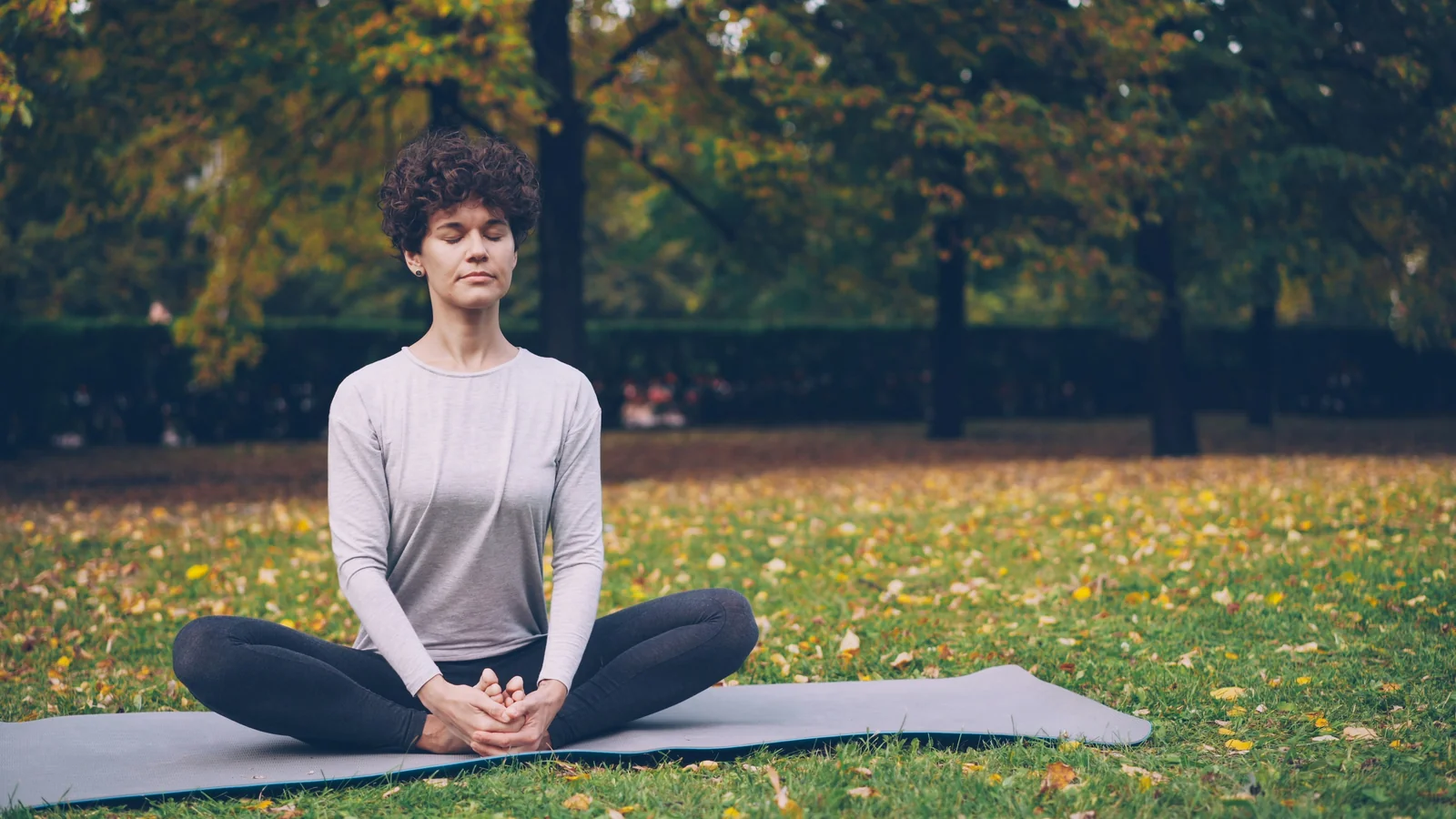
Most of us carry a slightly daunting image of meditation: a serene figure in lotus position, mind perfectly clear, radiating effortless calm. It's an image that can make the whole thing feel out of reach before you've even begun. The good news is that this version is largely a myth, and what meditation actually involves is considerably more human.
At its heart, meditation is simply the practice of paying attention to the present moment in a deliberate, sustained way. It comes in many forms, has roots across cultures and centuries, and today it's explored by people from all walks of life, for all sorts of reasons. Some are drawn to it for stress, others for sleep, others out of simple curiosity. None of these reasons is more valid than another.
The most common styles: a brief tour
Mindfulness meditation is probably the most widely practised approach in the UK today. It typically involves sitting comfortably, focusing on your breath, and gently returning your attention each time your mind wanders, which it will, often, and that's fine. Many people find it a good starting point precisely because it requires no equipment, no particular belief system, and no experience.
Guided meditation involves following the voice of a teacher or recording through a practice: a body scan, a visualisation, or a loving-kindness exercise, for example. This suits people who find their mind especially busy, or who like some structure to hold onto. There are hundreds of free resources available, from apps to YouTube, so it's easy to explore without any commitment.
Mantra-based meditation, such as Transcendental Meditation or similar practices, uses the silent repetition of a word or sound as a focal point. Some people find this particularly settling, as the repetition gives the mind something simple to return to.
Movement-based meditation, including practices like tai chi, qigong, or certain yoga flows, might be worth exploring if sitting still feels uncomfortable or unappealing. Meditation doesn't require stillness; it requires attention.
"Meditation is less about achieving a quiet mind and more about noticing when it isn't quiet – with a little more patience each time."
What does a realistic practice look like?
It doesn't need to be long. Many people find that ten minutes in the morning, before the day properly begins, is enough to feel a shift in how they move through the rest of it. Others prefer the evening, using it as a way to step out of the momentum of the day. Some people meditate for just five minutes; some for thirty. The length matters less than the consistency.
A common experience, especially early on, is frustration. The mind wanders, sometimes a lot, and it can feel like you're "doing it wrong." This is worth gently reframing: noticing that you've been distracted and returning to your focus is the practice. It's not a failure; it's the thing itself. Many people find that after a few weeks, they start to feel the difference not during the meditation so much as afterwards: a subtle spaciousness, a slightly longer fuse, a little more ease.
It's also worth knowing that meditation doesn't always feel pleasant. Some people find that sitting quietly brings up thoughts or feelings they'd rather avoid. This is normal, and it can sometimes be useful, though if it feels overwhelming, it's entirely reasonable to take a break or to explore it with support.
A simple way to start
If you'd like to try, here's a gentle starting point: find somewhere you can sit comfortably for five minutes. Set a quiet timer. Close your eyes, or soften your gaze downwards. Simply notice the sensation of your breath – the air coming in, the slight pause at the top, the breath leaving. When your mind wanders (it will), gently bring it back. That's it. You can build from there, or stay exactly there for as long as you like.
If you'd like to explore meditation with some guidance, there are many teachers and therapists who offer one-to-one or group sessions – everything from introductory mindfulness courses to more specialised practices. Some people find that working with someone in person helps them establish a practice in a way that apps or videos alone don't quite manage. A Welvow search could help you find someone practising in your area.
Find your practitioner →There's no perfect meditation, no perfect meditator, and no perfect time to start. Curious is enough.