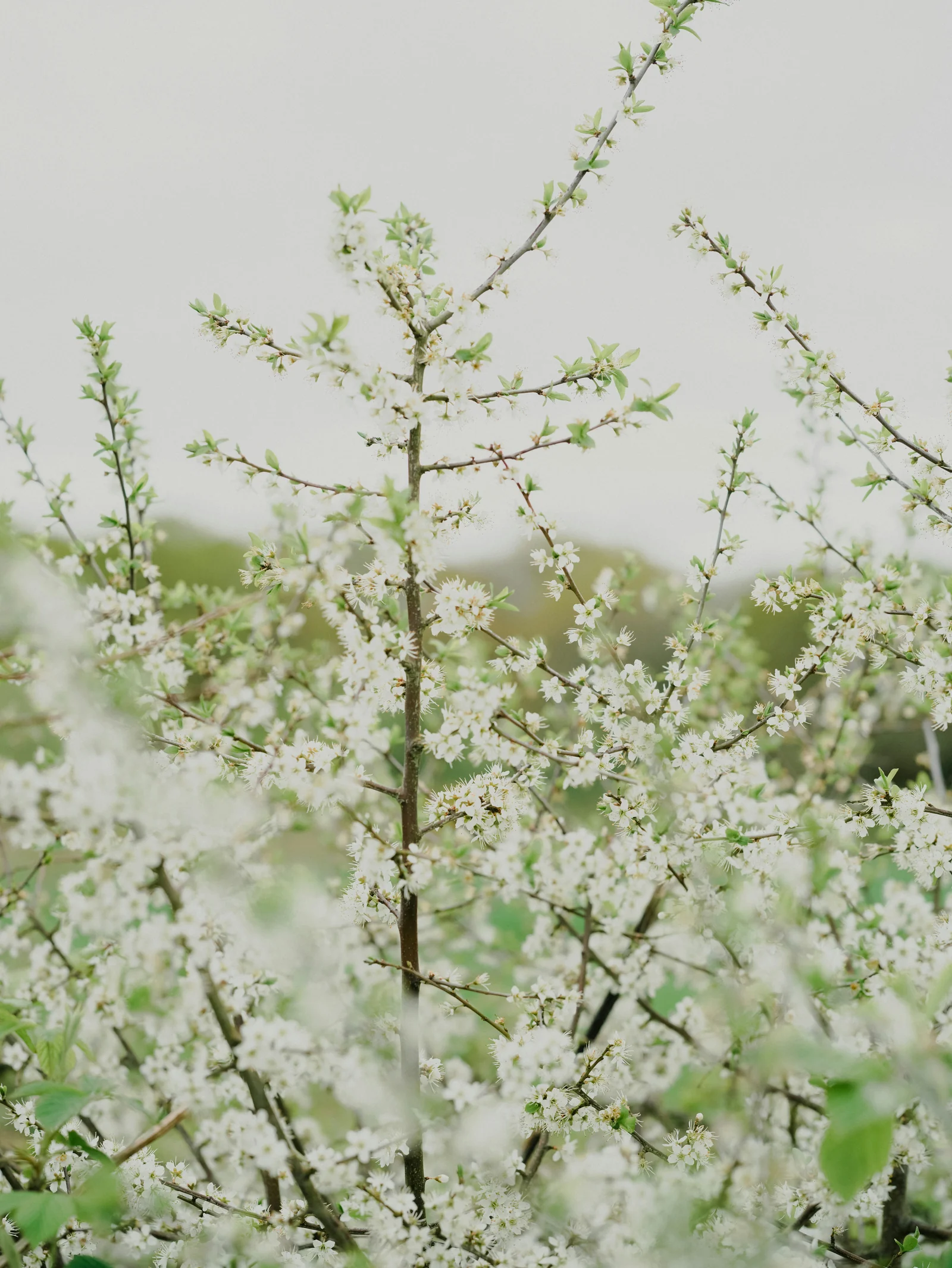
Something shifts in spring. The light changes first – a little longer each evening, a slightly different quality in the mornings – and with it, something in us tends to stir. The urge to open windows, sort cupboards, and make plans is well documented; it's so consistent across cultures that we have a name for it. But the instinct for renewal doesn't have to stop at the wardrobe.
Spring is a genuinely useful moment to take stock – not in a pressured, productivity-obsessed way, but gently. What's accumulated over the winter? What habits, commitments, thought patterns, or obligations have been carried along without much examination? What would it feel like to set some of them down?
The internal equivalent of opening the windows
We often think of mental clutter as just "busyness" – too many thoughts, too many tasks, too much going on. But it's worth asking whether some of the heaviness is actually about things we've been carrying for a while without choosing to. Obligations we agreed to when we had more capacity. Relationships that feel draining rather than nourishing. Ways of thinking about ourselves or our lives that may have been useful once but haven't been revisited lately.
Spring could be an invitation to look at these things – not with a view to immediate change, but with curiosity. Many people find that simply naming what's taking up space creates a small but meaningful sense of lightness.
"You don't have to overhaul everything. Sometimes just noticing what's been accumulating is enough to start feeling different."
Some gentle places to begin
A slow review of your commitments could be worth doing at this time of year. Not to eliminate everything, but to ask: which of these am I choosing, and which am I simply carrying out of habit or obligation? There may not be immediate action required – but knowing the difference is useful.
Spending more time outside is something many people find genuinely restorative in spring, and not just because of the vitamin D. There's something about being in nature as it visibly renews itself that can feel quietly supportive. Even a short walk with no destination and no podcast could be worth exploring.
Revisiting what fills your time outside work can be illuminating. Many of us have drifted into habits – screen time, certain social dynamics, patterns of rest or stimulation – that we've never consciously chosen. Spring is a natural moment to ask whether these are serving us, and whether there's something that might serve us better.
Writing or journalling, even just for ten minutes, could be a useful way to surface things that have been sitting below the level of conscious attention. There are no rules about format or content – the point is simply to externalise what's there. Many people find that once something is written down, it loses some of its weight.
On not overdoing the renewal
It's worth noting that spring's energy can sometimes tip into overwhelm if we're not careful. The temptation to overhaul everything at once – habits, relationships, work, home – can leave us more scattered than we started. Many people find it more useful to choose one or two things to explore, rather than attempting a wholesale transformation.
Change, when it lasts, tends to be gradual. Spring is a long season. There's time.
If you're using this season as an opportunity to look more carefully at your mental and emotional wellbeing, there are many practitioners who could offer support. Counsellors and therapists are well placed to help you explore what's accumulated; coaches might support you in thinking about direction and change; and practitioners like acupuncturists or herbalists work with people exploring seasonal transitions in a more physical sense. It might simply be a useful moment to make an appointment you've been putting off.
Find your practitioner →The season turns whether we're ready or not. But there's something lovely about meeting it with a little intention – just enough to make the most of what it's offering.