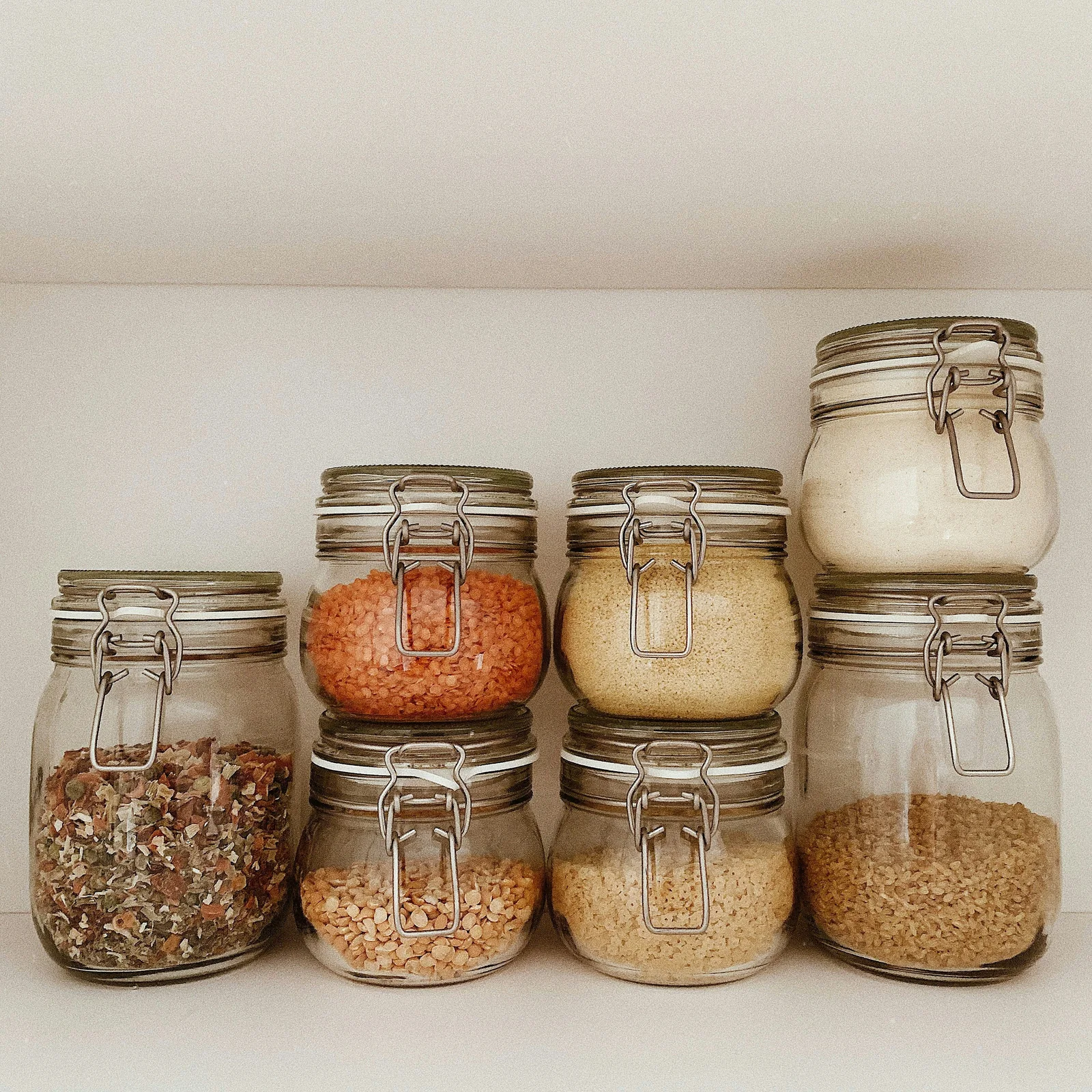
Gut health has had a lot of attention in recent years, much of it accompanied by complicated protocols and expensive supplements. This can make the whole subject feel overwhelming in a way that's not particularly useful, because the foundational things that support good digestive health are considerably more ordinary than the wellness industry sometimes suggests.
The gut is, in many ways, a forgiving system. It responds to patterns over time rather than to individual meals, which means that small, consistent changes tend to accumulate meaningfully. The following are some of the more practical shifts that many people find make a genuine difference, without requiring anything dramatic.
Add before you subtract
Most dietary advice focuses on what to cut out. A more useful starting point for gut health is usually what to add in, because the gut benefits most directly from abundance rather than restriction. Specifically, adding a wider variety of plant foods tends to do more for the microbiome than eliminating particular things.
This might mean adding a handful of seeds to breakfast, throwing a tin of lentils into a soup that didn't previously have them, or keeping a bag of mixed nuts nearby for the mid-afternoon stretch. None of these is dramatic. Accumulated across a week, they can meaningfully increase the variety of fibre reaching the gut.
"The gut microbiome responds to variety. Eating the same foods in the same combinations, however healthy, tends to produce a less diverse microbial community than eating a wider range."
Swap refined grains for whole ones, gradually
White bread, white rice, and white pasta are not harmful foods, but they offer considerably less fibre than their wholegrain counterparts and the fibre gap is meaningful for gut bacteria. Switching entirely overnight tends not to work for most people, particularly those with digestive sensitivity, because a sudden large increase in fibre can cause bloating and discomfort. A gradual swap, starting with one meal a day, tends to allow the gut to adjust without complaint.
Sourdough bread is worth a specific mention: the fermentation process breaks down some of the compounds that can cause digestive difficulty in conventional bread, and many people who find standard bread problematic manage sourdough without issue.
Drink more water, particularly around meals
Hydration is one of the most consistently underrated factors in digestive function. Water is needed for fibre to do its job: without adequate fluid, increased fibre intake can actually worsen rather than support digestion. Plain water is the most useful form, though herbal teas count. Caffeine and alcohol both have dehydrating effects that are worth accounting for, particularly in summer when fluid loss through sweat is higher.
Slow down at mealtimes
Digestion begins in the mouth, not the stomach. Chewing properly and eating without significant distraction, without a screen in front of you, without eating on the move, allows the digestive process to start as it should. Many people find that eating more slowly and with more attention reduces bloating and discomfort noticeably, without changing anything else about what they eat.
The nervous system is also involved: eating in a calm state tends to support better digestion than eating under stress or while rushing. This is not always possible, but on the occasions when it is, it's worth taking advantage of.
If digestive discomfort is persistent, recurring, or significantly affecting your quality of life, it's worth speaking with someone who can look at the fuller picture. A nutritional therapist or your GP are both reasonable starting points, depending on the nature of what you're experiencing. Welvow can help you find qualified nutrition practitioners in your area.
Find your practitioner →Small changes, kept up consistently, are generally what the gut responds to best. There's no need to make it more complicated than that.