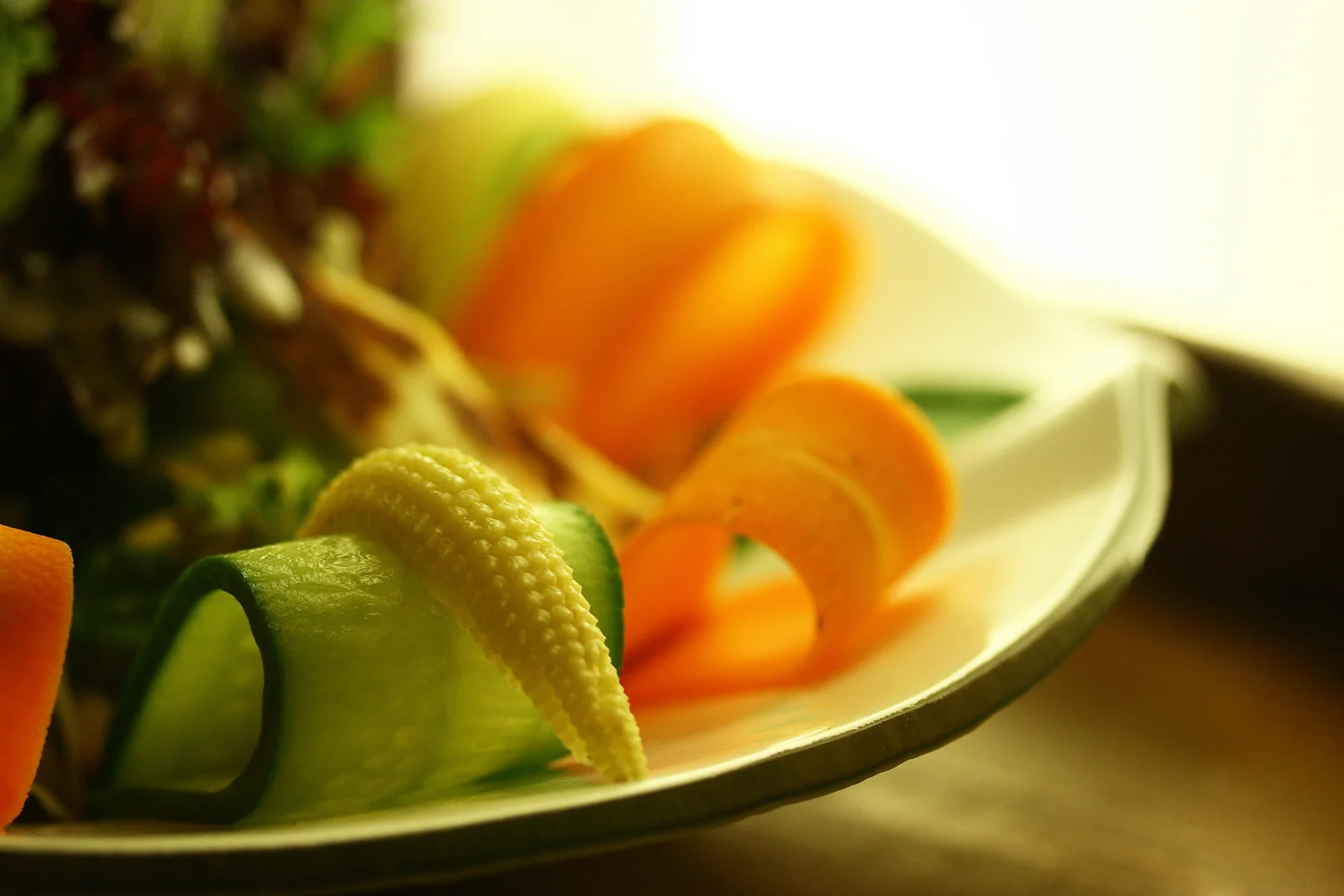
There's a reason summer food feels different from the food of other seasons. The produce is genuinely better. Tomatoes eaten warm from a vine, strawberries at the end of June, broad beans that go from pod to plate in twenty minutes – these are not the same things as their out-of-season counterparts, and the difference isn't just romantic. Fruit and vegetables grown in season and eaten close to harvest tend to be higher in certain nutrients, richer in flavour, and considerably easier to enjoy eating without doing very much to them.
Seasonal eating doesn't require a strict philosophy or a particular set of beliefs about food. It's more a matter of paying attention to what's in good condition at a given time of year and letting that shape what ends up on the plate. Summer makes this easier than any other season, because there's simply more to work with.
What summer produces well
The British summer, even an unreliable one, produces an abundance of fruit and vegetables that runs from June through to early September. Tomatoes come into their own in July and August, in more variety than supermarkets tend to offer. Courgettes, cucumbers, and runner beans are at their peak. Sweetcorn has a short season but a very good one. Soft fruit – strawberries, raspberries, blackcurrants, gooseberries – peaks through June and July. Stone fruit follows: cherries, then plums, then early apples and pears as summer moves into autumn.
Farmers' markets and greengrocers tend to be the best places to find genuinely seasonal produce, though a growing number of supermarkets now do a reasonable job of labelling what's British and in season. The smell is often the most reliable indicator: a peach that smells like a peach, rather than nothing at all, is in season. One that doesn't, probably isn't.
"Eating seasonally in summer requires very little planning. Mostly it just requires going to the right shop and being willing to let what's good that week decide what's for dinner."
How summer eating tends to support wellbeing
The abundance of fresh produce in summer tends to naturally shift eating patterns in directions that many nutritional practitioners consider supportive of good health. More raw vegetables, more fruit, more cold dishes with herbs and olive oil, more meals eaten outside and therefore more slowly. These aren't changes that require effort so much as permission to follow the season's lead.
The high water content of summer produce also matters more than people often realise. Cucumbers, tomatoes, watermelon, and most summer fruits are largely water, which means eating them contributes meaningfully to hydration during the months when the body needs most of it. Staying hydrated in summer supports digestion, energy levels, and skin, and getting a portion of that through food is a relatively effortless way to help.
Lighter cooking methods suit both the produce and the weather. Salads, briefly grilled vegetables, cold soups, and dishes with fresh herbs all tend to preserve more of what the ingredients have to offer than long cooking does, and they also happen to be what most people naturally want to eat when it's warm.
A few summer staples worth knowing
Herbs are at their most generous in summer. Basil, mint, parsley, chives, and tarragon are all prolific from a pot on a windowsill and make an enormous difference to simple food. Fresh herbs add flavour without the need for much else, and several of them, basil and parsley in particular, contain useful micronutrients that are largely absent from cooked versions.
Legumes are well represented in the summer garden: fresh peas, broad beans, and runner beans all offer protein and fibre in a form that many people find easier to enjoy than their dried counterparts. They also cook quickly, which matters when the last thing you want on a warm evening is to spend an hour over a pot.
A nutritional therapist or registered dietitian can help you understand how to get the most from seasonal eating in relation to your own health and circumstances, particularly if you have specific digestive, energy, or hormonal concerns you'd like to address through food. Welvow can help you find a qualified nutrition practitioner in your area.
Find your practitioner →Summer does a lot of the work. The main thing is to let it.