There is a long-standing intuition that food and mood are connected. The heavy slump after a large lunch, the irritability that follows a missed meal, the way comfort food tends to produce something that actually does feel like comfort for a short while – these are experiences most people recognise. What has shifted in recent years is the scientific understanding of how this connection works, and the picture that's emerged is more interesting than the simple "sugar causes mood swings" version that circulated for a long time.
At the centre of it is the gut itself: not as a passive processing system, but as something considerably more involved in how the body and brain function than was previously appreciated.
The gut-brain axis
The gut and brain are in constant communication through a network of nerves, hormones, and immune signals sometimes called the gut-brain axis. This connection runs in both directions: the brain influences digestion, which is why stress so often shows up in the stomach, and the gut sends signals upward that influence mood, cognition, and stress responses.
A significant part of the body's serotonin, a neurotransmitter strongly associated with mood and emotional regulation, is produced in the gut rather than the brain. The gut also houses an enormous community of microorganisms, collectively called the gut microbiome, which plays a role in producing neurotransmitters, regulating inflammation, and influencing how the body responds to stress. The composition of that microbiome is shaped, in part, by what we eat.
"The gut doesn't just process food. It also processes a great deal of what we feel. The two are more tangled together than most people realise."
What the microbiome needs
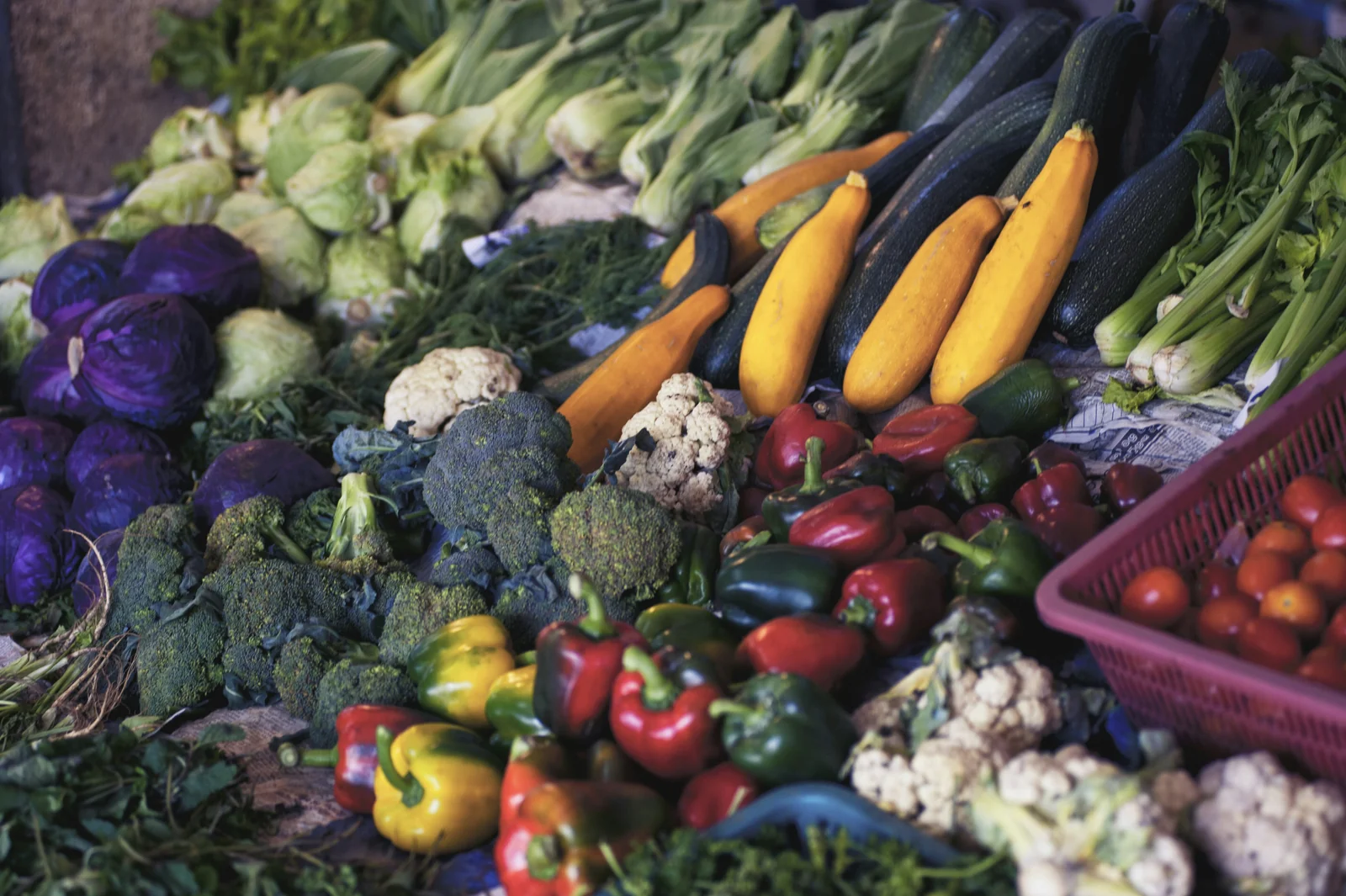
A diverse microbiome, one that contains a wide variety of bacterial species, is associated with better digestive function and, in some research, with more stable mood and lower anxiety. Dietary diversity is one of the main ways of supporting microbial diversity: eating a wide range of plant foods, including vegetables, fruit, legumes, wholegrains, nuts, and seeds, provides the range of fibres that different bacterial species need to thrive.
The current research suggests that eating 30 or more different plant foods in a week is associated with a notably more diverse microbiome than eating fewer. This sounds like a lot, but herbs and spices count, as do different varieties of the same vegetable. A salad made with several different leaves, topped with seeds, dressed with lemon and olive oil, and seasoned with herbs, could contain eight or ten different plant foods on its own.
Fermented foods, such as natural yoghurt, kefir, kimchi, sauerkraut, and miso, introduce live bacteria directly into the gut and may help maintain microbial diversity. They're not essential, but many people find that including them regularly makes a noticeable difference to how their digestion feels.
Foods that may support mood
Omega-3 fatty acids, found in oily fish, walnuts, and flaxseed, have been consistently associated in research with lower rates of depression and better mood outcomes. Magnesium, found in leafy greens, nuts, seeds, and dark chocolate, plays a role in the nervous system and is commonly depleted in people under sustained stress. B vitamins, particularly B6, B9, and B12, are involved in the production of neurotransmitters and are found in a range of whole foods including eggs, legumes, and green vegetables.
None of this is to suggest that food alone determines how a person feels. Mood is influenced by far more than diet, and food is not a substitute for other forms of support. But it does suggest that what we eat is one of the more accessible levers available for supporting emotional wellbeing, and that the relationship runs deeper than the obvious.
If you're experiencing persistent low mood alongside digestive symptoms, or if you suspect your diet may be connected to how you're feeling emotionally, a nutritional therapist can help you explore this in more detail. Some therapists also work at the intersection of nutrition and mental health. Welvow can help you find practitioners in your area who work in this way.
Find your practitioner →The gut has been described, with some justification, as a second brain. Feeding it well is one of the more reliable things a person can do for how they feel.