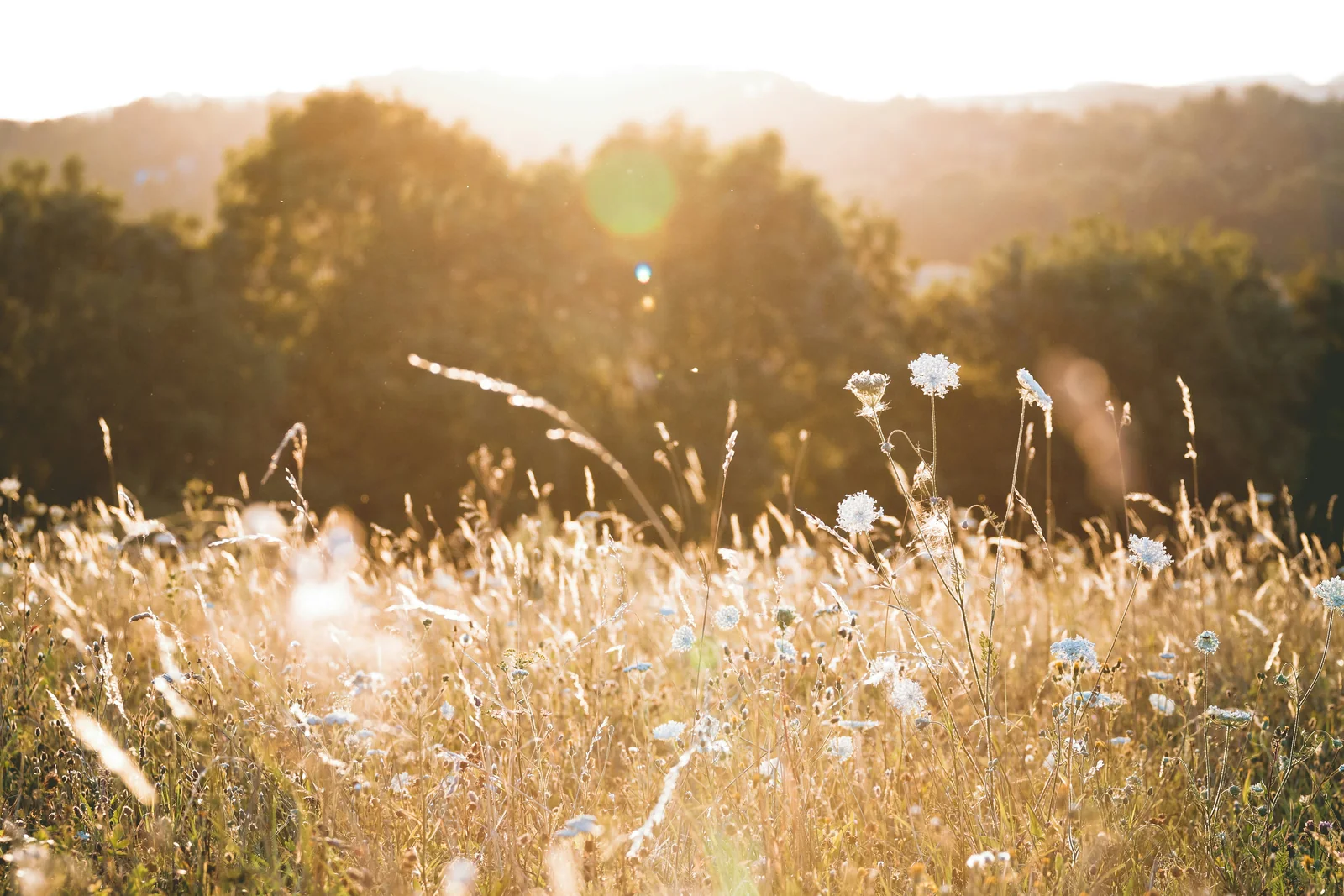
Hayfever, or seasonal allergic rhinitis, is an immune system overreaction to pollen. Your immune system misidentifies harmless pollen as a threat and mounts a response: histamine is released, blood vessels dilate, mucus production surges, and the familiar cascade of sneezing, itching, and watering eyes begins. The question is not just how to manage symptoms once they arrive, but whether you can reduce the underlying reactivity that makes the reaction so intense.
The gut-allergy connection
One of the most important and least discussed aspects of hayfever is the relationship between gut health and allergic reactivity. A diverse, well-nourished gut microbiome helps regulate the immune system, including the branch of immune activity responsible for allergic responses. Emerging research suggests that lower microbiome diversity is associated with higher rates of allergic conditions, including hayfever.
This means that supporting your gut through a varied, plant-rich diet, fermented foods, and avoiding unnecessary antibiotics is not just good general advice, it is potentially directly relevant to how reactive your immune system becomes during pollen season.
Natural approaches that have evidence
Quercetin is a natural plant compound found in apples, onions, capers, and berries that acts as a natural antihistamine and anti-inflammatory. It is not a replacement for antihistamine medication in severe cases, but regular dietary intake, or supplementation during pollen season, may help reduce the intensity of reactions. It works best taken consistently rather than just when symptoms flare.
Butterbur (Petasites hybridus) is a herb with reasonably good clinical evidence for hayfever. Several trials have shown it to be comparable to cetirizine (a common antihistamine) for reducing symptoms, without the drowsiness. Use only standardised extracts that have had pyrrolizidine alkaloids removed, a reputable herbal practitioner can advise on this.
Local honey is often suggested as a way to build tolerance to local pollens. The evidence from clinical trials is not strong, but the mechanism is plausible and many people report benefit. It is unlikely to harm and may help.
Vitamin C has antihistamine properties and supports the body's ability to break down histamine. Regular intake from food and supplementation during hayfever season is a reasonable and low-risk strategy.
"Hayfever is not simply bad luck. It is a sign that the immune system has become overreactive, and that reactivity can be influenced by how well you are sleeping, how much stress you are carrying, and what you are eating."
Practical measures that make a real difference
Keeping windows closed during high pollen periods (typically early morning and early evening), showering and changing clothes after being outside, wearing wraparound sunglasses, and applying a small amount of petroleum jelly to the nostrils to trap pollen are all simple measures that meaningfully reduce exposure. Checking the pollen count and planning outdoor activities accordingly is worth making a habit during peak season.
Sleep and stress both affect allergic reactivity. Poor sleep increases inflammatory markers and heightens immune reactivity, making hayfever worse. Chronic stress raises cortisol which, over time, dysregulates the immune system and can worsen allergic responses. These are not peripheral considerations.
A medical herbalist or nutritional therapist can take a detailed history and build a personalised protocol for hayfever, looking at your gut health, nutrient status, and the specific pattern of your symptoms. Acupuncture also has a reasonable evidence base for reducing hayfever severity when begun before the season starts.
Find your practitioner →You do not have to simply endure hayfever season. With the right preparation, gut support, targeted nutrients, practical measures, and help from a practitioner if needed, many people find their symptoms reduce significantly year on year.