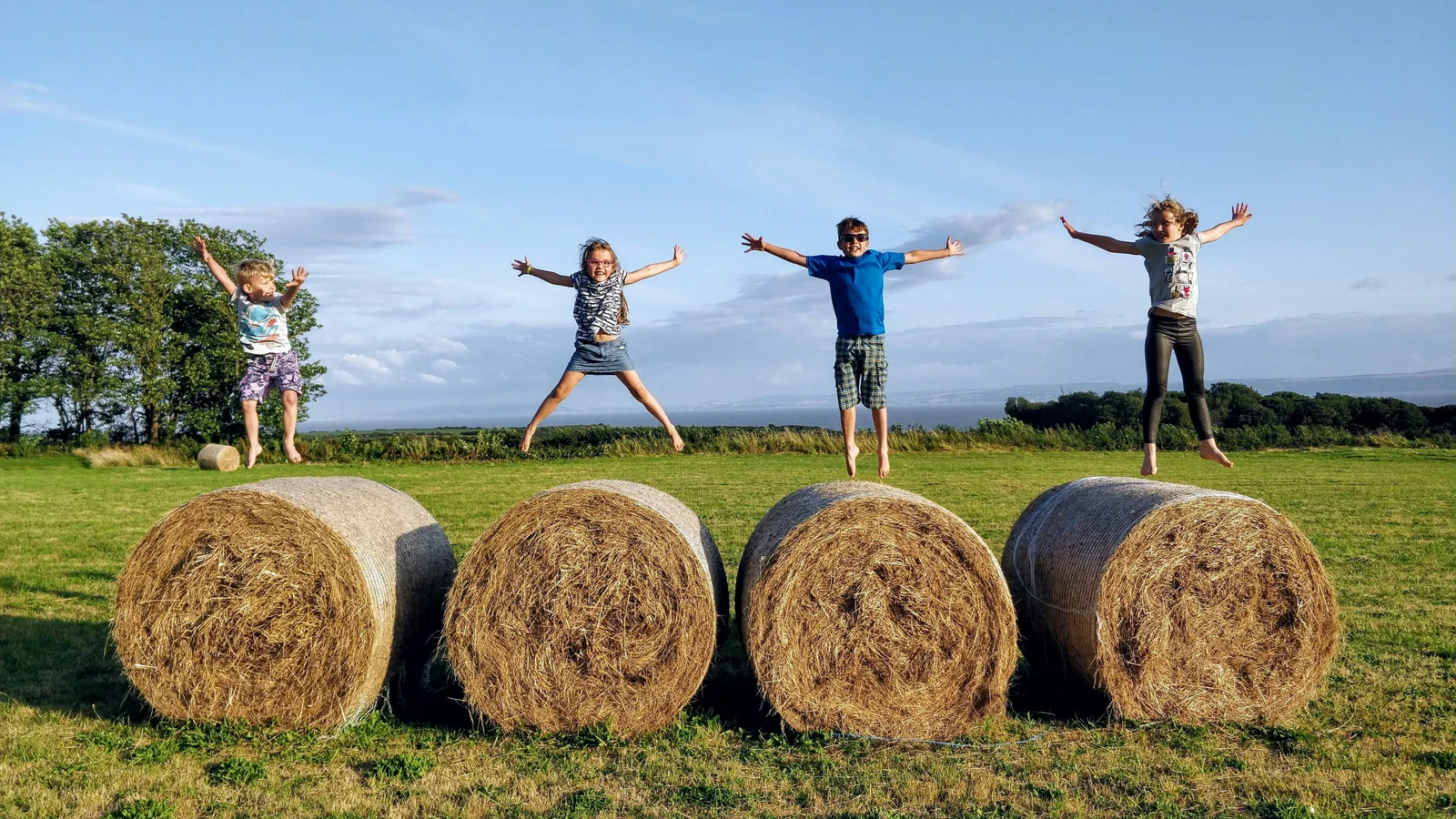
A child who gets six to eight colds a year is not necessarily unwell, their immune system is simply doing what it is meant to do: encountering new pathogens, building responses, and developing immunological memory that will protect them throughout life. Some childhood illness is necessary and useful. The goal is not to prevent every cold, but to support a robust, well-nourished immune system that recovers quickly, doesn't succumb to every bug going around, and doesn't tip into chronic symptoms or recurring illness.
Food: the foundation
Children's immune systems need the same fundamental nutrients as adults, vitamin D, zinc, vitamin C, iron, and a well-nourished gut microbiome, but often in different amounts and from different sources. The most important thing you can do nutritionally is establish variety early. Children who eat a wide range of vegetables, fruit, wholegrains, legumes, and protein sources tend to have richer gut microbiomes, which are associated with better-regulated immune responses.
Vitamin D is particularly important and frequently deficient in UK children. The NHS recommends a daily supplement for all children from birth to five years, and for older children who don't get much sun or have darker skin. During winter months, a 10-microgram supplement is appropriate for most children over one year.
Zinc plays a critical role in immune cell development and is found in meat, poultry, dairy, eggs, legumes, and pumpkin seeds. Fussy eaters are at risk of low zinc intake, which can contribute to frequent infections.
Fermented foods, live yoghurt, kefir, are some of the easiest ways to support a child's gut microbiome. Even small daily amounts have been shown to improve microbiome diversity and reduce the incidence of respiratory infections in children.
"Time outdoors, muddy hands, and a diet full of plants are some of the most powerful immune-builders available to a child. The fundamentals have not changed."
Sleep, non-negotiable at every age
Children need significantly more sleep than adults, and that sleep is doing critical immune work. Toddlers need 11–14 hours, primary school-age children 9–11 hours, and teenagers 8–10 hours. Consistently short sleep is one of the most reliable predictors of increased susceptibility to illness. Protecting sleep, consistent bedtimes, screens off well before bed, a calm wind-down routine, is one of the highest-impact things a parent can do for their child's health.
Time outdoors and physical activity
Exposure to natural environments supports immune development in ways that are only beginning to be understood. Contact with soil organisms, diverse plant compounds in outdoor air, and natural light all play roles in immune calibration, particularly in early childhood. Regular outdoor time, even in winter, is associated with lower rates of respiratory infection. Moderate physical activity also increases natural killer cell activity and improves immune surveillance.
Practical remedies for when illness strikes
Honey (for children over one year) is effective for soothing coughs and sore throats, evidence suggests it works at least as well as over-the-counter cough medicine. Elderberry syrup has reasonable evidence for reducing the duration of colds and flu in children. Zinc supplementation at the onset of a cold can reduce duration. Ensure good hydration, warmth, and rest, these remain the most important supports, and allowing a child to rest rather than pushing through is genuinely helpful for recovery.
If your child is getting ill repeatedly, struggling to recover, or you have concerns about their immune health, a paediatric nutritional therapist or medical herbalist can be valuable. They can assess nutritional status, identify patterns, and offer a tailored plan appropriate for your child's age and needs.
Find your practitioner →Building a child's immune system is a long game, and the foundations are reassuringly simple. Real food, good sleep, time outside, and a calm home environment do more than any supplement protocol. Start there, and build from it.