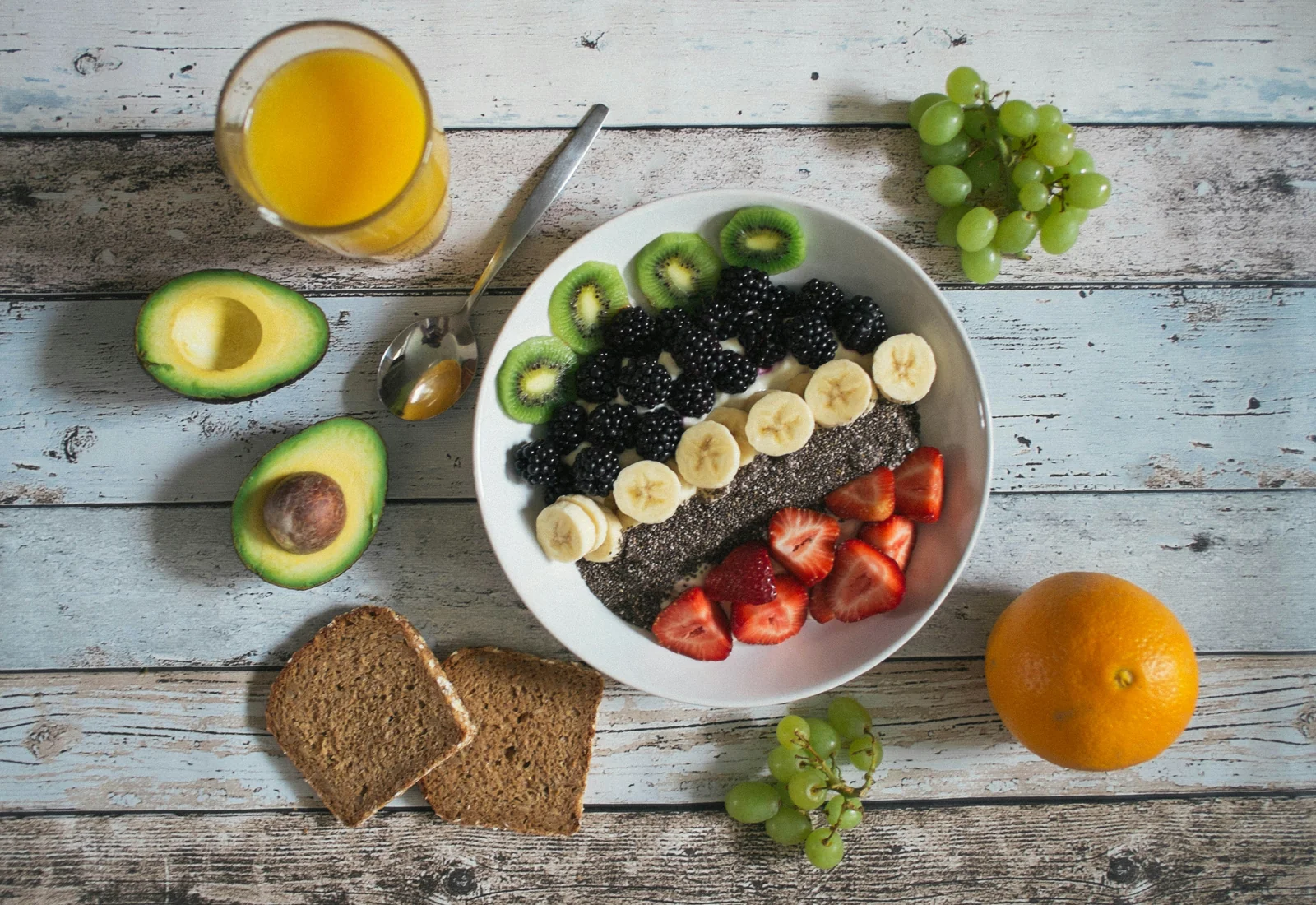
When it comes to immunity and food, it is easy to get distracted by the supplement aisle. Vitamin C tablets, zinc lozenges, echinacea drops, all of these have their place. But the foundation of immune nutrition is not a capsule. It is a diet that consistently provides variety, colour, fibre, and the specific nutrients your immune cells rely on to function well.
Feed your gut first
Around 70 per cent of your immune tissue lives in and around your gut lining, which means that what you feed your gut microbiome is, in large part, what you feed your immune system. The bacteria living in your digestive tract help regulate immune responses, reduce inflammatory reactivity, and protect the gut lining from pathogens.
To nourish them, prioritise fibre from a wide variety of plant sources, vegetables, fruit, legumes, wholegrains, nuts, and seeds. Aim for 30 different plant foods per week; it sounds daunting, but herbs, spices, and small additions count. Fermented foods, live yoghurt, kefir, sauerkraut, kimchi, miso, introduce beneficial bacteria directly. Even small daily amounts have been shown to increase microbiome diversity and reduce inflammatory markers.
The nutrients that matter most
Vitamin D is perhaps the most important single nutrient for immune function, and deficiency is extremely common in the UK due to our limited sunlight exposure, particularly between October and March. Oily fish, eggs, and fortified foods provide small amounts, but most people benefit from supplementing 1,000–2,000 IU daily through winter. A GP can test your levels.
Zinc is essential for the development and function of immune cells. Good sources include meat, shellfish (especially oysters), legumes, pumpkin seeds, and wholegrains. Zinc also has specific evidence for reducing the duration of colds when taken at the first sign of symptoms.
Vitamin C supports the production and function of white blood cells and helps maintain the physical barriers, skin and mucous membranes, that keep pathogens out in the first place. Kiwi fruit, citrus, peppers, and broccoli are excellent sources.
Iron deficiency, which is particularly common in women of menstruating age, compromises immune function significantly. Red meat, lentils, leafy greens, and fortified cereals are good dietary sources, and pairing them with vitamin C improves absorption.
"The most immune-supportive diet is not a specialised protocol, it is one built on variety, colour, fibre, and real food, eaten consistently over time."
What works against you
Ultra-processed food, excess sugar, and alcohol all have documented negative effects on immune function. Sugar in particular has been shown to temporarily suppress white blood cell activity for several hours after consumption. Chronic alcohol use depletes zinc, vitamin C, and several B vitamins, and disrupts the gut microbiome significantly.
This does not mean strict avoidance, but it is worth knowing that the occasional indulgence has a measurably different immune impact than daily habits.
A nutritional therapist can assess your individual nutrient status, identify gaps, and build a food-first plan tailored to your health history. This is particularly useful if you are frequently unwell, recovering from illness, or managing an inflammatory or autoimmune condition.
Find your practitioner →You don't need a perfect diet to have a well-functioning immune system. You need a consistently good one, and that starts with understanding what your immune cells are actually asking for.