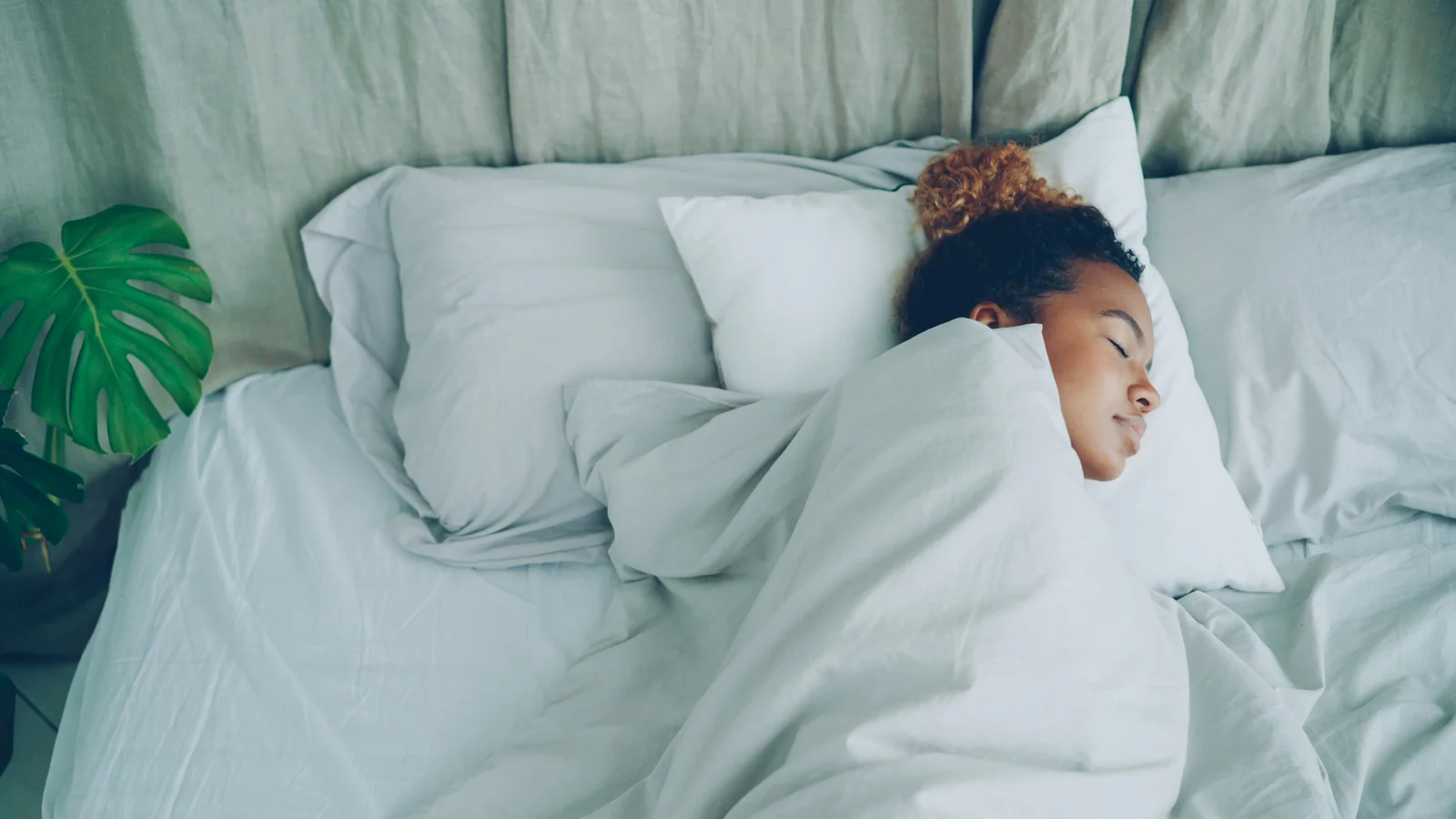
There is a reason you feel run down when you have been burning the candle at both ends. It is not coincidence, and it is not weakness. It is biology. Your immune system and your nervous system are in constant conversation, and the quality of your sleep and the load of your stress are among the most powerful signals that conversation receives.
What sleep does for immunity
During sleep, particularly deep, slow-wave sleep, your immune system is highly active. This is when cytokines, the proteins that coordinate immune responses, are produced in largest quantities. T-cells, a critical class of immune cell, also become more effective during sleep, increasing their ability to attach to and destroy infected cells. Your body essentially uses sleep as an opportunity to do maintenance, surveillance, and repair work it cannot fully do while you are awake.
The consequences of cutting this short are measurable. Studies have shown that people sleeping fewer than six hours a night are significantly more likely to catch a cold when exposed to a virus than those sleeping seven or more hours. One study found that those sleeping less than six hours were four times more likely to get sick. Vaccine responses are also weaker in sleep-deprived individuals, the immune system does not mount as strong a protective response.
This does not mean occasional poor nights matter enormously. Chronic sleep deprivation, a consistent pattern of insufficient sleep, is what causes meaningful immune suppression. Prioritising sleep is not a luxury. For immune health, it is arguably the single most important intervention available to you.
"The immune system doesn't rest while you sleep, it gets to work. Deep sleep is when your body coordinates its defences, repairs its barriers, and consolidates immunological memory."
How stress undermines immune function
The relationship between stress and immunity is one of the most well-researched areas in psychoneuroimmunology, the study of how the mind, nervous system, and immune system interact. The picture that has emerged is nuanced but consistent.
Acute, short-term stress can actually enhance certain immune functions, it is an evolutionary adaptation preparing the body to deal with immediate threat. But chronic stress, the kind that runs in the background day after day, has the opposite effect. Sustained high cortisol suppresses the activity of natural killer cells and T-cells, reduces antibody production, and increases systemic inflammation. In practical terms: people under chronic stress get ill more often, recover more slowly, and respond less effectively to vaccines and treatments.
Loneliness and social isolation, which share many of the same physiological signatures as chronic stress, have comparable effects on immune function, a finding that has become increasingly relevant in recent years.
What helps
For sleep: consistent sleep and wake times, a cool and dark bedroom, limiting screens and stimulating activity in the hour before bed, and avoiding caffeine after midday all have strong evidence. If sleep difficulties are persistent, a GP referral to a sleep specialist or a course of cognitive behavioural therapy for insomnia (CBT-I) is far more effective than sleeping tablets for most people.
For stress: the evidence points most strongly to regular physical movement (even moderate exercise has measurable effects on stress hormones and immune function), social connection, time in nature, mindfulness or breathwork practice, and, where the load is significant, professional support through counselling or therapy.
Welvow's directory includes practitioners across counselling, breathwork, yoga therapy, and acupuncture, all of which have evidence for supporting stress regulation and, through that, immune resilience. Browse to find the right fit for you.
Find your practitioner →If you want a stronger immune system, the most productive question to ask yourself may not be "what should I take?" but "what is wearing me down?", and then address that first.