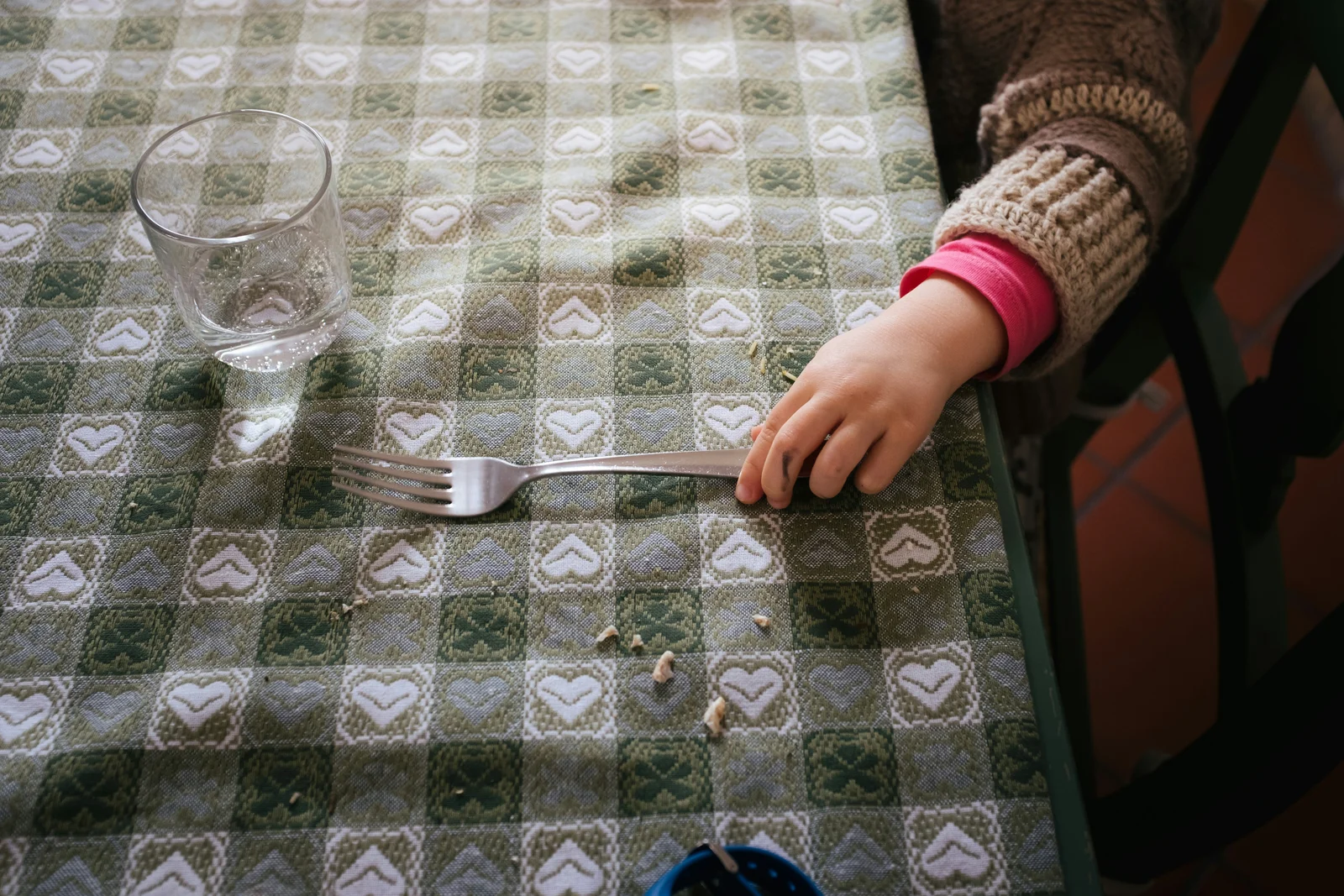
The toddler who would happily eat anything six months ago now refuses everything that isn't beige. The pasta has to be a specific shape. The peas are an insult. Welcome to the picky eating phase.
For most children, this stage starts between 18 months and 3 years and lasts a year or two. It's developmentally normal, the body is growing more slowly than in infancy, appetite drops, and a brain protective of its small owner becomes warier of new flavours and textures. Many parents find that knowing it's a phase, not a permanent state, takes some pressure off.
What it isn't: a sign your child won't be a healthy adult eater. What it usually is: a passing season that ends best when not fought over.
Why pressure backfires
The most common parenting instinct around picky eating, bargaining, bribing, insisting on a few more bites, tends to make things worse over time. Children begin to associate mealtimes with conflict, and food becomes another place to assert independence. Many feeding specialists describe the same arc: parents tighten the grip, child digs in, mealtimes become a battleground, no one enjoys eating.
Stepping out of the negotiation, even imperfectly, often loosens the grip on both sides.
A gentler structure
The parent decides what is offered, when, and where. The child decides whether to eat, and how much.
The most useful framework, widely adopted by NHS and BDA paediatric services, is the Division of Responsibility, developed by paediatric dietitian Ellyn Satter. The parent looks after the structure of the meal. The child looks after how much they eat of it.
Within that structure: offer a meal that includes at least one thing you know they'll eat alongside the new or refused item, sit together, eat without comment on their plate, finish when most people are finished. Children eat better when no one is watching too closely, when they're hungry enough to be motivated, and when food is offered without performance.
Specific things that help
Same plate as everyone else, in small portions. Children's appetites genuinely are smaller; large portions intimidate.
Repeated exposure without pressure. It can take many neutral exposures before a new food is accepted. Just having it on the plate counts.
Offer choices upstream, not at the table. "Carrots or sweetcorn tonight?" sets up some agency without putting it inside the meal itself.
Let them play with food sometimes. Touching, smelling, mashing, all preliminary steps to eating.
Eat together where you can. Children copy. They need to see eating as something other people do, not something done to them.
If concerns persist, significant weight loss, a very narrow diet over many months, or distress at mealtimes that doesn't ease, a paediatric dietitian or your health visitor can take a closer look. Family GPs can also refer onwards. Many parents find that even one consultation reframes the dynamic.
Find your practitionerMost children eat what their family eats, eventually. The work isn't to convince them to eat broccoli today. It's to keep mealtimes from becoming the place no one wants to be.