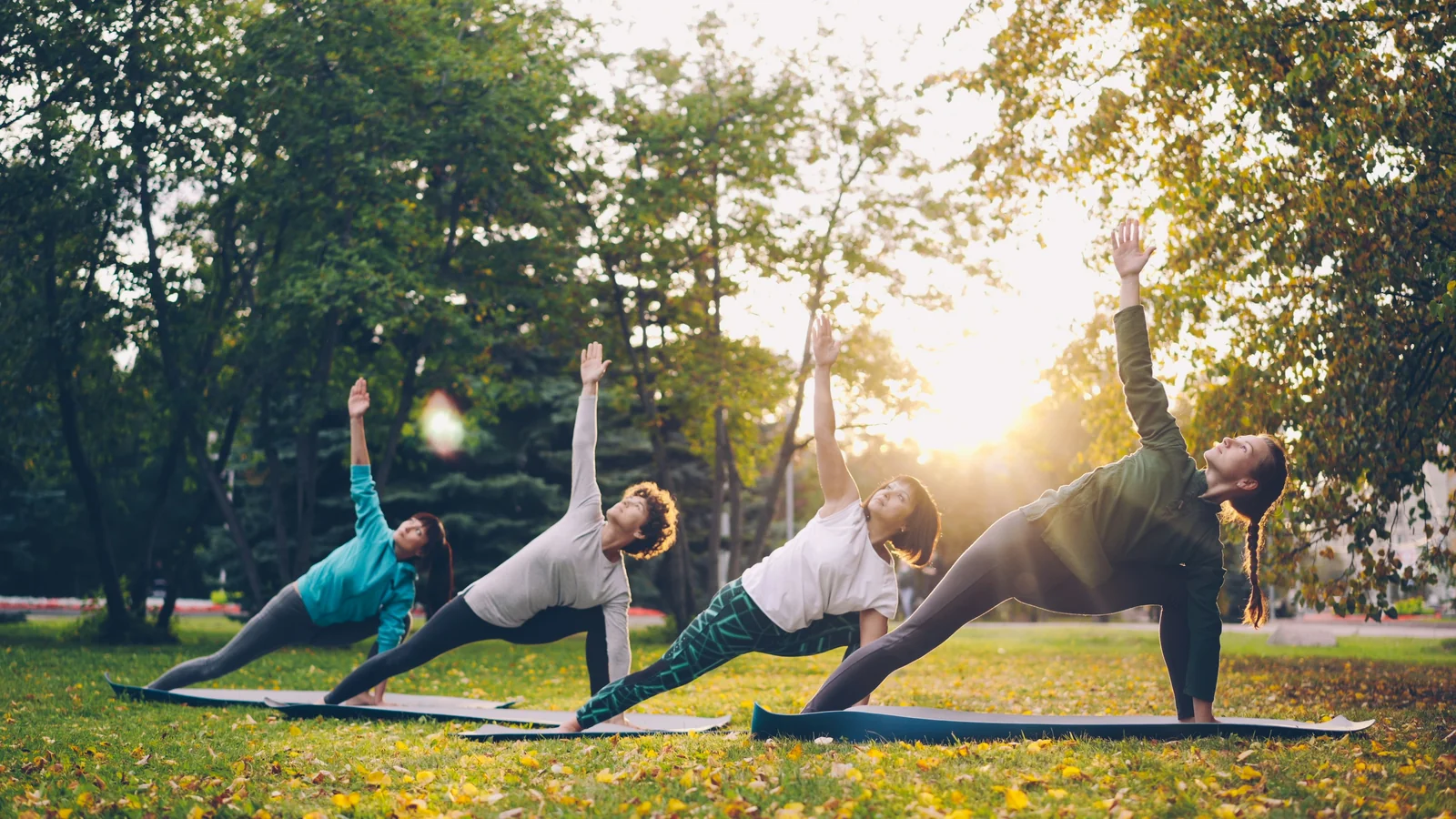
Ask most people whether they stretch regularly and the answer is usually some version of "I know I should." It occupies a particular category in the wellness landscape: universally acknowledged as useful, widely neglected in practice. This is partly because it doesn't feel dramatic. Stretching produces no visible fitness gains, no workout high, and no sense of having done something significant. It's slow, sometimes uncomfortable, and its benefits accumulate quietly over time. These are not, unfortunately, qualities that make a practice easy to sustain.
But those who do sustain it tend to be rather emphatic about what it has given them. And the picture of what stretching actually does for the body is more interesting than the conventional idea of "keeping things loose."
What stretching actually does
Muscles and their surrounding connective tissue respond to sustained length in several ways. In the short term, a stretch increases blood flow to the area and temporarily reduces tension by triggering the muscle's relaxation response. Over time, regular stretching can increase the range of motion available at a joint and change the resting length of chronically shortened muscles, the ones that have adapted to a pattern of sitting, carrying, or repetitive movement and have stayed shorter as a result.
There's also an effect on the nervous system that tends to get less attention. Slow, sustained stretching activates what's known as the parasympathetic nervous system, the "rest and digest" side that counteracts stress responses. Many people find that ten minutes of deliberate stretching at the end of the day produces a perceptible shift in how wound-up they feel, quite separate from any physical benefit. This may be part of why practices like yin yoga and gentle stretching-based classes have attracted such a consistent following among people who describe themselves as stressed rather than sporty.
"The body tends to become what it repeatedly does. If it spends most of the day shortened and compressed, it needs time in the opposite direction."
Static versus dynamic stretching
Static stretching is what most people picture: holding a position for 20 to 60 seconds while a muscle is at or near its limit. This is best done when the body is already warm and is particularly useful at the end of the day or after exercise. Holding for at least 30 seconds tends to be where the lengthening effect becomes more meaningful.
Dynamic stretching involves moving through a range of motion in a controlled, flowing way rather than holding a fixed position. It's better suited to warming up before activity, as it raises the temperature of the tissue and prepares joints for load without the temporary reduction in muscle output that prolonged static holds can produce before exercise.
For general wellbeing rather than sports performance, the distinction matters less. What matters more is doing it regularly enough that the body has time to respond.
Where to focus if you only have ten minutes
For most people who spend significant time seated, the hip flexors, chest, and thoracic spine tend to be the areas that have adapted most noticeably to modern postural habits. A lunge-based hip flexor stretch, a doorway chest opener, and some gentle rotation through the mid-back cover a meaningful amount of ground in a short time. Hamstrings are also commonly tight, though it's worth knowing that a feeling of tightness there sometimes reflects neural sensitivity rather than true shortness, and aggressive stretching can occasionally make it worse rather than better.
If you have specific areas of tension, recurring tightness, or discomfort that stretching doesn't seem to address, it could be worth seeing a physiotherapist, osteopath, or movement therapist who can assess what's actually happening rather than what it feels like. Welvow can help you find relevant practitioners in your area.
Find your practitioner →Stretching won't make headlines. It won't produce the kind of results that fill a fitness diary with milestone moments. It will, quietly and gradually, make most things feel a little better than they did before.