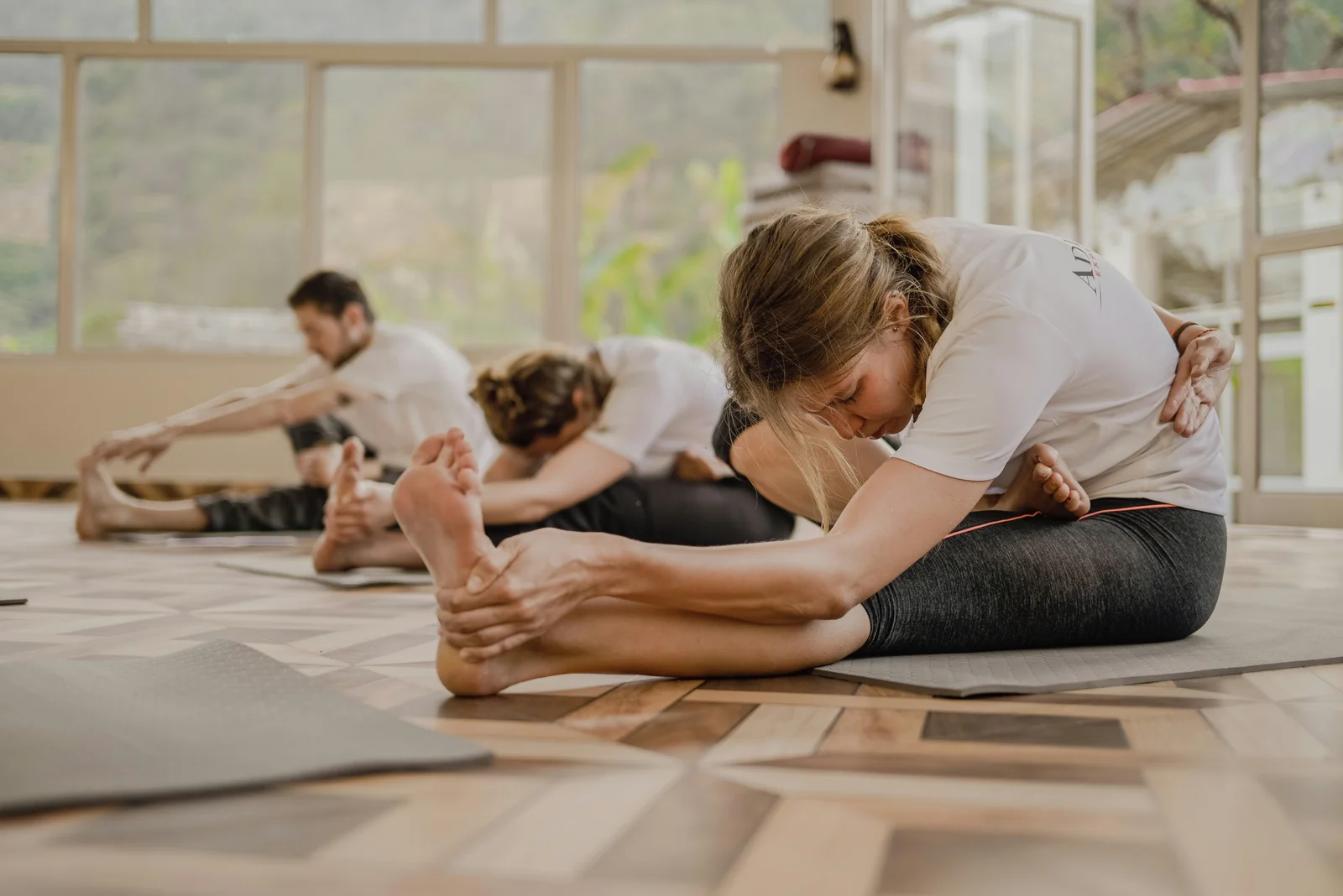
There's a particular image that tends to come to mind when pilates comes up: a bright, mirrored studio, someone in activewear doing something effortful that looks deceptively easy. It's an image that can make the whole thing feel like it belongs to someone else. Which is a shame, because what pilates actually involves bears very little relationship to that picture, and many people who assumed it wasn't for them have found it to be one of the more useful things they've done for their bodies.
Pilates is a system of exercises focused on controlled movement, breath, and what practitioners call "core stability" – though that phrase has been stretched to the point of meaninglessness in general use. In practical terms, it means building the kind of deep, functional strength that supports posture, reduces strain on the joints, and makes everyday movement feel easier. It was developed by Joseph Pilates in the early twentieth century, originally to support rehabilitation, and it has retained that therapeutic quality even as it has grown into something much more mainstream.
Mat versus reformer
Most people's first question is about the reformer, the machine that looks a little like a sliding bed with springs and straps. Reformer pilates is what tends to appear in studio marketing, and it is genuinely effective, the springs add adjustable resistance that makes exercises both more varied and more precisely controlled. But it's also more expensive, requires equipment, and isn't necessary to start.
Mat pilates needs only a mat and a small amount of floor space. It's also more accessible than reformer work for beginners, as the exercises are slower, more easily modified, and very well suited to learning what the body is actually doing during movement. Many experienced practitioners continue to do mat work alongside or instead of reformer sessions, because it teaches something the machine can't entirely replicate.
What it actually feels like
A beginner pilates class tends to involve a lot of small, precise movements that look quite modest and feel considerably harder than expected. The reason is that the exercises target muscles that most people have learned to bypass: the deep stabilisers of the pelvis, spine, and shoulder blades that should be working but often aren't, because larger, more dominant muscles have taken over their job. Re-engaging these muscles requires patience and attention, but most people find that by the end of a first class, they can feel muscles they didn't know they weren't using.
Progress tends to be quiet but consistent. Pilates is not a practice that produces dramatic moments of improvement. It's more that things gradually get easier, the back ache that had been sitting there fades, the shoulders stop creeping towards the ears, and movement starts to feel more organised. Many people find they only appreciate how much it has done when they stop for a while and notice what returns.
"Pilates asks you to pay close attention to small things. Over time, that attention changes how you inhabit your body."
A few things worth knowing before you start
Levels matter more in pilates than in some other movement practices. A general beginner class will introduce the foundational concepts, breathing patterns, and basic exercises at a pace that gives them time to land. A mixed-level class can be fine once the basics are established, but going straight into an advanced session tends to produce confusion rather than benefit.
Smaller classes are also worth seeking out, particularly at the start. Pilates instruction is partly about cueing attention to specific parts of the body, and a teacher who can observe and offer individual adjustments makes a significant difference to what you take away from a session.
If you have an existing injury or a specific reason for wanting to try pilates, such as a back problem, hypermobility, or post-surgical rehabilitation, it could be worth finding a clinical pilates instructor rather than a general fitness one. Clinical pilates practitioners have additional training in working with specific physical conditions and can tailor the work accordingly.
A good pilates instructor makes a considerable difference, particularly in the early stages when learning what the practice actually involves. Welvow can help you find qualified pilates teachers and clinical pilates practitioners in your area, whether you're looking for a studio class, one-to-one sessions, or something specifically tailored to an injury or physical condition.
Find your practitioner →Pilates rewards patience with it. If the first class feels confusing, that's normal. The second one usually makes more sense, and by the third or fourth, most people start to find their feet.