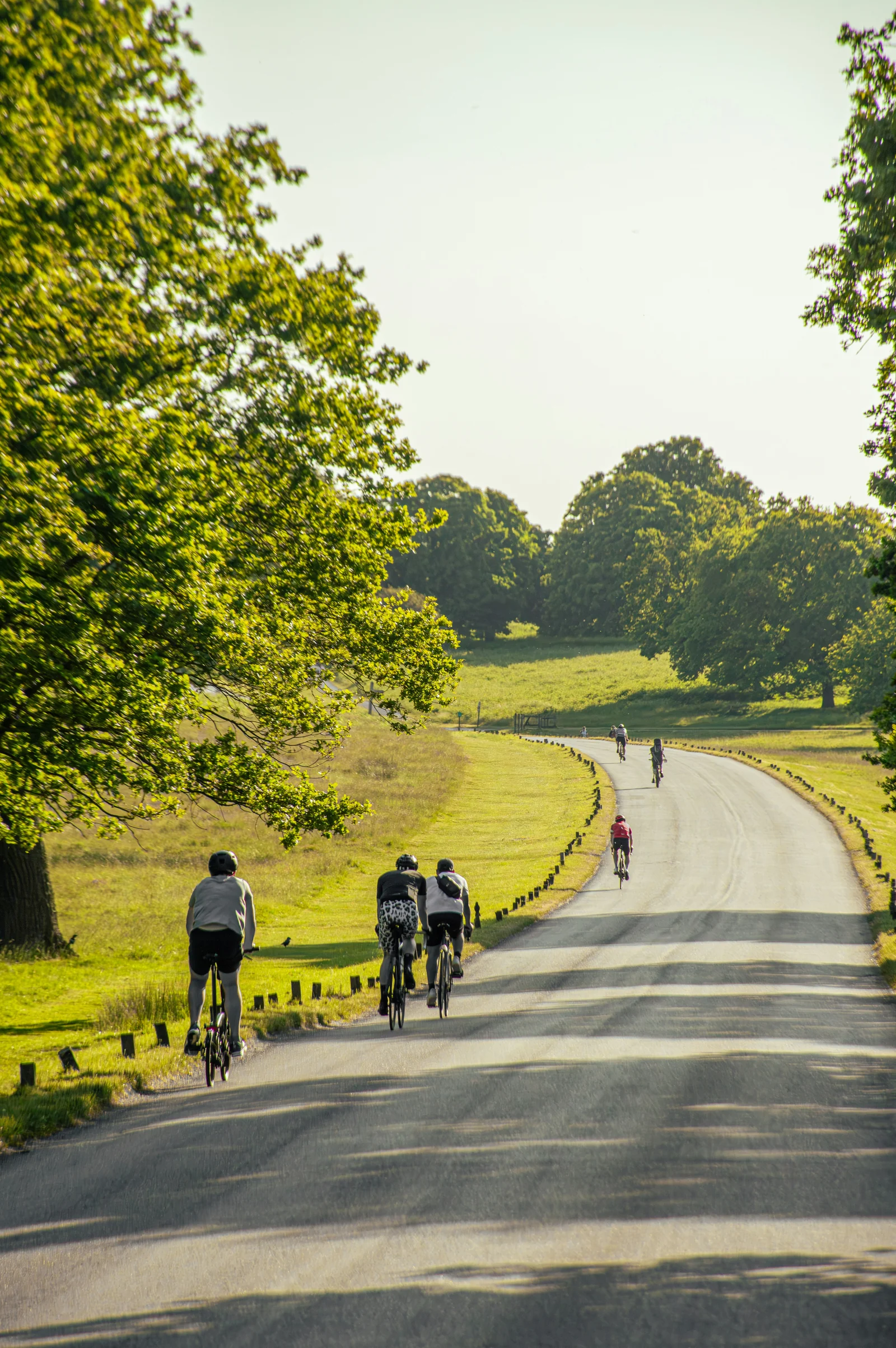
The warmer months bring a particular kind of energy for movement. The evenings are long, the light is inviting, and there's a sense of possibility that can make it much easier to get outside and do something active. For many people, summer is genuinely the time of year when they feel most naturally inclined to move, and that instinct is well worth following.
The catch is that heat changes what the body can comfortably do and how quickly it recovers. This isn't a reason to stay inside, but it is a reason to move with a little more awareness than you might during cooler months. Many people find that small adjustments to timing, intensity, and hydration are all that's needed to keep moving well throughout the summer without accumulating the kind of fatigue that can make the second half of the season feel a lot heavier than the first.
The basics of exercising in heat
The body cools itself primarily through sweating, and doing so requires significantly more fluid than movement in cooler conditions. The general guidance of drinking when thirsty is reasonable in normal conditions, but in heat it can lag behind what the body actually needs. Drinking water before going out, carrying water for anything lasting more than 20 minutes, and rehydrating afterwards are habits that make a consistent difference to how you feel during exercise and for the rest of the day after it.
High humidity makes the body's cooling system less effective, because sweat evaporates more slowly. On very humid days, the same effort that feels manageable in dry heat can feel significantly harder. If it's humid as well as hot, reducing intensity or duration tends to be the sensible call.
Sunscreen, a hat, and light, loose clothing aren't afterthoughts. They're part of what makes it possible to be outside comfortably for long enough to actually enjoy it.
When to move and when to rest
Early mornings and evenings are consistently the best windows for outdoor activity in summer. The air temperature is lower, the light is beautiful, and for many people the body feels most willing to move at these times anyway. Midday and early afternoon are when the risk of overheating is highest, and unless you're in shade with reliable access to water, strenuous activity during this window tends to cost more than it gives.
Summer is also a useful time to pay attention to rest and recovery. The longer days and greater social activity of the season can accumulate into a kind of background tiredness that's easy to overlook. Rest is not a failure to be active. It's part of what makes the activity sustainable.
"Summer invites us to move more freely. The best response to that invitation is to do exactly that, with enough care that the freedom lasts."
Movement that suits summer particularly well
Swimming is one of summer's genuine gifts. It's full-body, low-impact, and the water provides both resistance and cooling simultaneously. Open water swimming has grown considerably in popularity in recent years, and many people find the sensory experience of it quite different from pool swimming in ways they find appealing. If open water swimming is new to you, going with others and knowing the conditions before you enter are sensible starting points.
Early morning runs or walks in summer light are among the more consistently mood-lifting things a person can do. The combination of natural light, movement, and the particular quality of a summer morning before the day gets going tends to be quietly powerful in how it sets the tone for the hours that follow.
Outdoor yoga or stretching in a garden or park costs very little and offers the combination of movement and nature that makes both feel more effective. A mat on grass on a warm evening, with nowhere particular to be, can be a different thing entirely from the same practice in a studio.
If you're returning to activity after a period away from it, or want to build a more structured movement practice over the summer, a personal trainer, pilates instructor, or movement coach could be a useful guide. Welvow can help you find movement practitioners in your area who work outdoors or can support a summer-specific approach.
Find your practitioner →The season is on your side. Move with it rather than against it, and summer can be one of the better chapters of the body's year.