Have you recently started Mounjaro, Wegovy or Ozempic? As these medications become more widely used, many people are discovering that successful weight loss is about much more than watching the number on the scales fall. GLP-1 medications reduce appetite and can help you lose weight, but they can also make it easy to under-eat protein and essential nutrients unless you have the right nutritional support.
As a nutritional therapist, my aim with clients taking these medications is simple: strong and healthy, not depleted and fragile. The goal is not only to lose weight, but to protect muscle, bone health and energy, and to build habits that last long after the medication stops.
A quick word on how they work
GLP-1 medicines (such as semaglutide in Wegovy and Ozempic) and dual GLP-1/GIP medicines (such as tirzepatide in Mounjaro) mimic natural gut hormones that reduce appetite, slow stomach emptying and support blood sugar balance. Clinical trials show significant average weight loss when they are combined with lifestyle support. Common side effects, such as nausea, constipation and reduced appetite, often ease as the body adapts.
The hidden risk: losing muscle, not just fat
Weight loss is not always fat loss. Research suggests a meaningful share of the weight lost can come from lean tissue if protein intake and resistance training are inadequate, and rapid loss may also affect bone density and nutrient status. This is why every mouthful counts when your appetite is reduced.
"The goal is to become healthier, stronger and more resilient, not simply lighter."
How to eat well while you lose weight
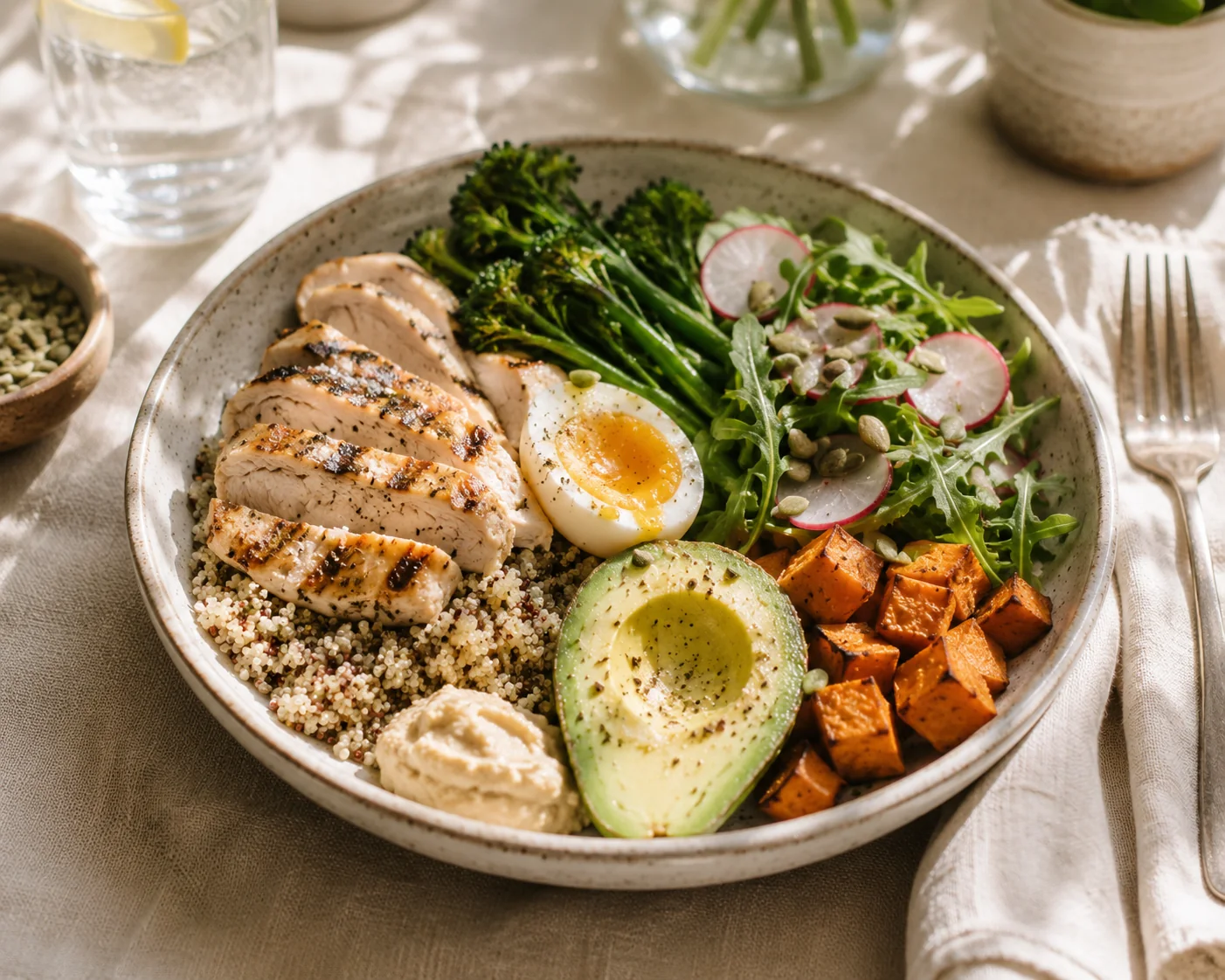
A few gentle principles make a real difference: include a quality protein source at every meal; choose nutrient-dense whole foods; include healthy fats; stay well hydrated; strength train at least twice a week to protect muscle; prioritise sleep; and aim for steady, sustainable weight loss rather than rapid drops. Establishing these habits while you are on the medication also lowers the likelihood of regaining weight afterwards.
None of this replaces the guidance of the clinician or GP overseeing your medication. Think of good nutrition as the support that helps these medicines work with your body, so that what you build is health, not just a smaller number.
This article was adapted from the Welvow (formerly Seed) editorial archive.
This piece was written by Lisa Barnes, a nutritional therapist on Welvow. If you are taking a GLP-1 medication and want personalised support to protect muscle and nutrition, you can view her profile and book a free introductory call, and many practitioners offer online consultations.
Meet Lisa on WelvowWeight-loss medication can be a powerful tool. Paired with good nutrition and a little strength work, it can leave you not just lighter, but genuinely stronger.