Summer's long days and warm temperatures create natural conditions for more outdoor activity. Most people feel the pull to be outside, to swim, to walk in the evening light, to move more freely than winter allowed. This impulse is sound – summer genuinely is a season for movement. But the heat introduces considerations that the other seasons don't, and TCM has specific guidance about how to honour both the seasonal invitation to move and the body's need to not deplete itself in the process.
The TCM Approach to Summer Movement
In TCM, summer is associated with the Heart and the blood vessels – the cardiovascular system that circulates warmth and nourishment throughout the body. Exercise naturally increases the demands on this system, and in hot weather, those demands are amplified considerably. The TCM caution is not against movement in summer – movement is encouraged – but against the kind of intense, exhausting exercise that generates excess heat, causes heavy sweating, and depletes what the tradition calls Heart Yin and Body Fluids.
Sweat, in TCM, is the fluid of the Heart. Moderate sweating during appropriate exercise is healthy and natural. Excessive sweating – particularly from overexertion in extreme heat – is thought to deplete Heart Yin over time, contributing to the anxiety, palpitations, disturbed sleep, and dry fatigue that some people experience through summer. This is one of the reasons TCM recommends slightly gentler, more moderate exercise in summer compared to spring – not because the body is less capable, but because its resources are already being drawn upon by the heat itself.
Timing and Temperature
The most important practical guidance from both TCM and sports physiology for summer exercise is timing. Exercising in the coolest parts of the day – early morning before 9am or evening after 6pm – reduces the cardiovascular and thermoregulatory stress significantly. The hottest part of the day (typically 11am–3pm) is when both TCM and common sense agree activity should be minimal.
TCM specifically recommends avoiding prolonged vigorous outdoor exercise between 11am and 1pm – the Heart's peak hours on the body clock – during summer. This is the time to rest, be in shade, or do gentle, cooling activities. Many cultures around the world arrived at the same conclusion through practical observation, which is one of the reasons the siesta tradition developed in hot countries.
Swimming and Water
Water-based exercise is particularly well suited to summer from a TCM perspective. Swimming keeps the body cool while allowing cardiovascular and strength work; cold water swimming (where safe and gradually acclimatised to) has become well recognised for its mood, immune, and inflammatory benefits. In TCM, water nourishes Yin and counters the excess yang heat of summer – making any relationship with water, including swimming, paddling, or simply sitting near it, seasonally appropriate.
Even a cool shower before and after outdoor exercise can help the body regulate its temperature more efficiently and reduce the depleting quality of heat exposure.
Walking and Evening Movement
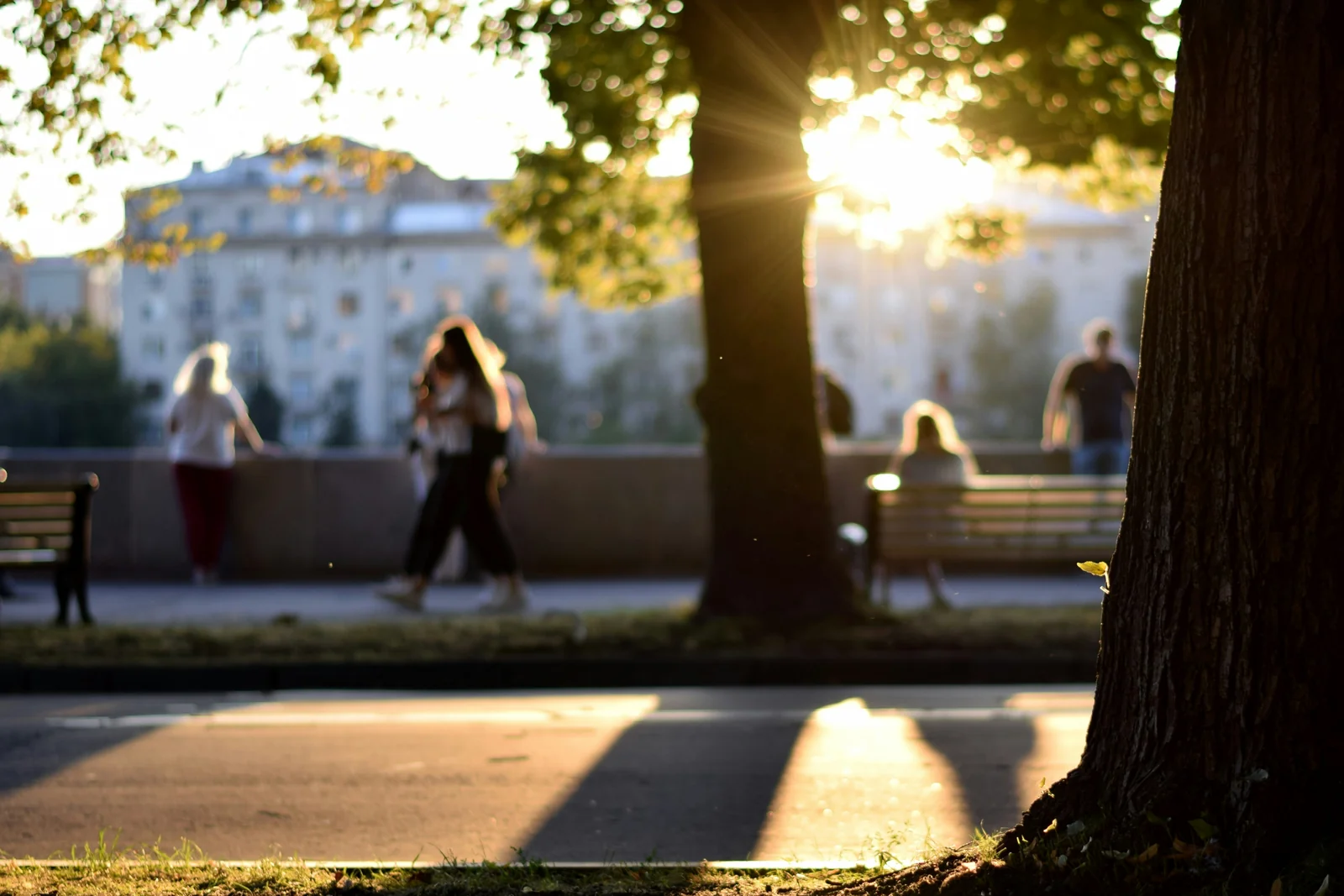
Evening walks in summer are one of the most harmonious forms of movement the season offers. The light is golden, the temperature has eased, and the body is naturally more relaxed than at the start of the day. In TCM, walking after the sun has passed its peak allows movement without excessive heat exposure, and the connection with the natural world in late summer evening light is considered genuinely nourishing to the Shen.
Unlike spring (where morning movement and early rising is emphasised), TCM recommends that summer activities can extend slightly into the evening – the long light supports alertness and activity later than other seasons allow, and this is natural to honour.
The Midday Rest
One of the most consistent recommendations across TCM, Ayurveda, Mediterranean tradition, and contemporary sleep research is the midday rest in summer. Even 10–20 minutes of quiet rest at noon – not necessarily sleep – is considered by TCM to support the Heart, consolidate the morning's yang energy, and provide genuine physiological benefit during the hottest part of the day.
Research on napping supports the cognitive and cardiovascular benefits of short midday rest, particularly in hot conditions. For those who can build this into their summer routine, even briefly, it may make a meaningful difference to energy, mood, and sleep quality overnight.
Yoga, Tai Chi and Gentle Practice
Cooling styles of yoga – Yin yoga, slower Hatha with forward folds and cooling breath practices (Sitali – breathing through a curled tongue – is the classic yogic cooling breath) – are ideal for summer. Tai chi and Qi Gong can be practised morning or evening and support Heart Qi without generating excess heat. These practices are also calming for the Shen, which is important in a season that can tip easily from joyful vitality into agitation and restlessness.