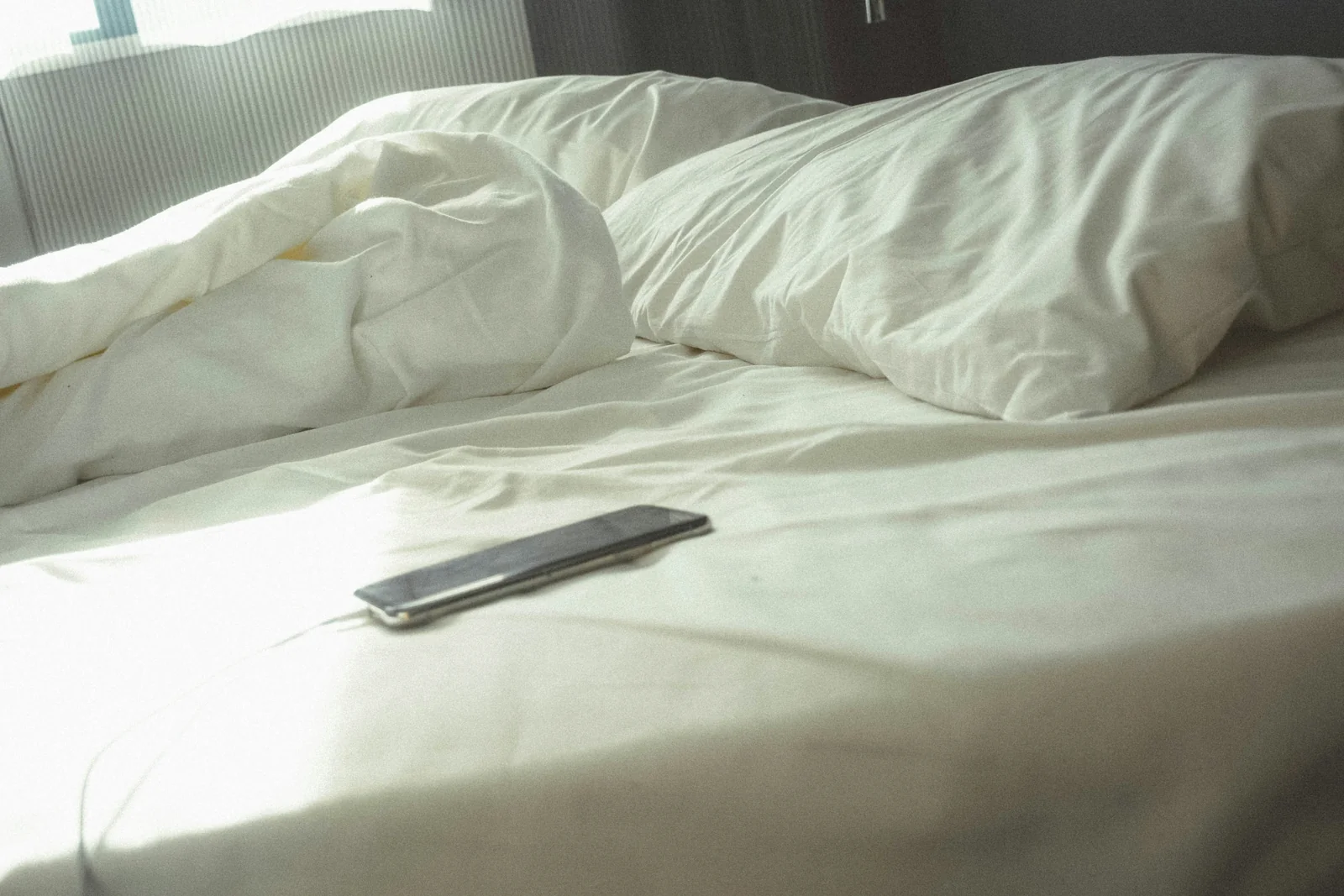
Poor sleep is one of summer's most underappreciated health challenges. The season that is supposed to be regenerative often ends with people feeling more depleted than they began – partly because the summer's pace uses energy faster than sleep can restore it, and partly because the heat itself actively impairs the quality and duration of rest. Understanding why this happens, and what actually makes a difference, is genuinely useful.
Why Heat Disrupts Sleep
Sleep onset and deep sleep require the body's core temperature to drop by approximately 1°C below its daytime level. This cooling is a physiological cue that tells the brain it is time to enter deeper sleep stages. In hot weather, the body struggles to achieve this temperature drop – particularly in bedrooms that have absorbed heat all day and don't cool down sufficiently at night. The result is difficulty falling asleep, more frequent waking, and less time in the slow-wave and REM sleep stages that are most restorative.
In TCM, this is understood as excess yang heat preventing the Shen (spirit/consciousness) from settling into rest. The Heart, which houses the Shen, requires quiet and coolness to allow the mind to descend from active consciousness into sleep. Summer heat agitates the Heart and keeps the Shen restless – which is why heat-disturbed sleep often feels anxious or mentally active rather than simply shallow.
The long days compound the problem. Melatonin – the hormone that signals the body to prepare for sleep – is suppressed by light. In summer, with sunrise sometimes before 5am and significant ambient light until well past 9pm, the window of natural melatonin rise is shorter and later than at other times of year. This delays the natural sleep drive and can shift the body clock later, making early rising harder and overall sleep shorter.
Practical Approaches to Cooling the Bedroom
The bedroom environment is the most controllable factor in summer sleep quality. The goal is to get bedroom temperature below 18°C for sleep if possible – well-managed blackout curtains or external shutters on sun-facing windows, kept closed during daylight hours, can reduce room temperature by several degrees. Opening windows on the shaded side of the house during the evening and night, and closing them again before morning sun hits, is the most effective non-air-conditioning cooling strategy.
Sleeping with a fan directed at the body – not just circulating the room – helps through evaporative cooling. A shallow bowl of ice in front of the fan increases the cooling effect as the air passes over it. Natural fibre bedding (cotton, linen) breathes far better than synthetic fibres and should be standard in summer.
Cooling the body directly before sleep may be as important as cooling the room. A lukewarm shower (not cold – a cold shower can paradoxically increase core temperature as the body responds by generating heat) taken 90 minutes before bed lowers core temperature through the vasodilation it causes in the skin. Cooling the feet and wrists – areas where blood vessels run close to the surface – is an efficient way to lower overall body temperature quickly.
Light Management
Good blackout measures in the bedroom make a genuine difference to sleep quality and duration in summer. The brain continues to register ambient light even through closed eyelids, and early summer light – which can be significant by 4–5am – may shorten sleep by triggering early waking before the body has completed its sleep cycles. A sleep mask is a simple, inexpensive solution for those who don't have adequate blackout covering.
In the evening, reducing artificial light exposure in the 1–2 hours before bed – particularly the blue-wavelength light from phones and screens – supports natural melatonin rise. Dimming overhead lights, using warmer-toned lamps, and putting devices in night mode are all approaches with good supporting evidence for earlier and stronger melatonin production.
The TCM Approach to Summer Sleep
In TCM, the recommended approach to summer sleep specifically addresses the Heart's need for coolness and quiet. Going to bed before 11pm is considered particularly important – in the TCM body clock, the Gallbladder and Liver begin their regenerative work between 11pm and 3am, and consistent late nights are thought to deplete the blood and Yin that these organs restore during sleep. The accumulated effect of regularly staying up in the long summer evenings is, in TCM's view, a pattern that can manifest as fatigue, poor skin, emotional volatility, and reduced immunity through late summer and into autumn.
Specific TCM practices for summer sleep support:
- Suan Zao Ren (Sour Jujube Seed) tea – a classical TCM remedy for Heart-related insomnia; nourishes Heart Yin and calms the Shen. Available in specialist TCM dispensaries or as a supplement
- Lemon balm tea before bed – calming, cooling, and gentle; supports the Shen without the risks associated with pharmaceutical sleep aids
- Lotus seed sweet soup – a traditional evening remedy in Chinese medicine for restless sleep and anxiety
- Brief meditation or breathing practice before sleep – helps the Shen descend from the day's activity into rest; even five minutes of slow, conscious breathing can meaningfully shift the nervous system from activation to rest
When Summer Sleep Problems Persist
If summer consistently brings significant sleep disruption that affects mood, concentration, or functioning, it may be worth discussing with a GP – particularly if there is also anxiety, heart palpitations, or signs of depression. Sleep disruption that persists through multiple seasons, or that is accompanied by other symptoms, deserves professional attention. A TCM practitioner may also be able to address the underlying Heart Yin or Blood pattern that makes heat-related sleep disturbance particularly pronounced in some individuals.