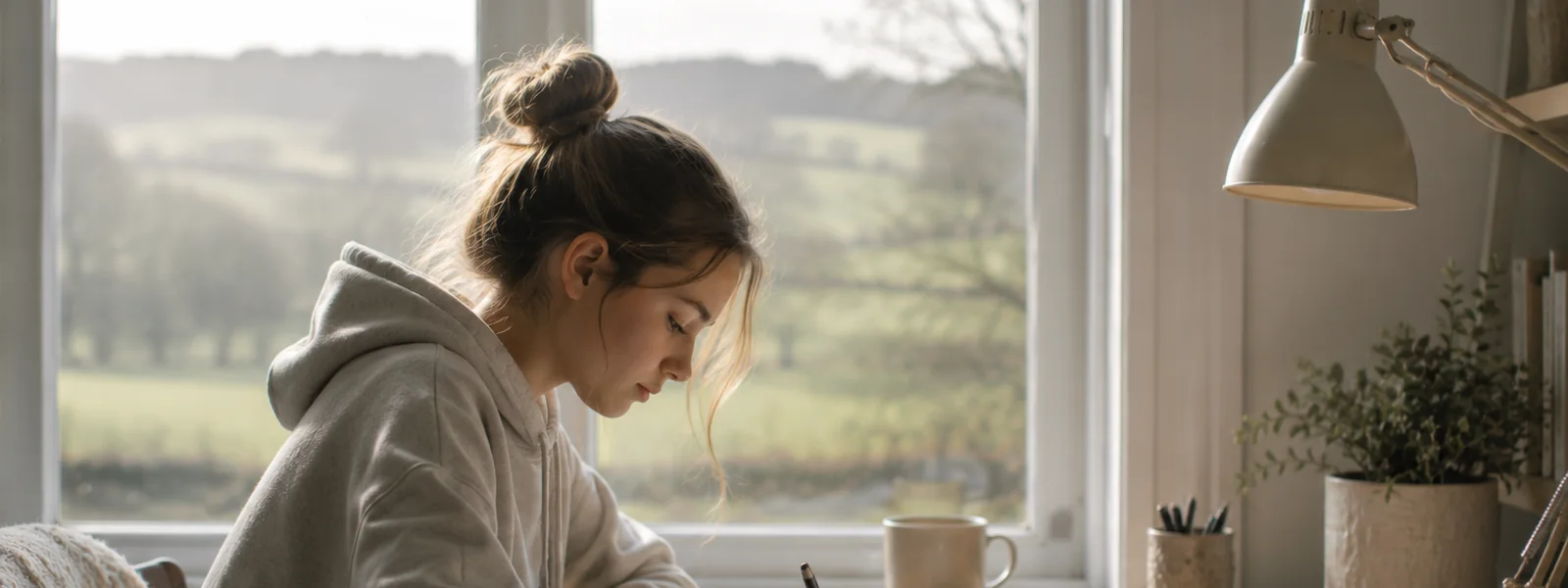
Exams are one of the first times many young people meet real, sustained pressure, and it can feel enormous. As the workload mounts, anxiety often creeps in, sleep gets disrupted, and that in turn makes everything feel harder still. The aim is not to remove all stress, a little can be motivating, but to keep it from tipping into overwhelm that gets in the way of their focus and their wellbeing.
The reassuring news is that there are simple, teachable tools that help. Camilla Ross, a cognitive behavioural hypnotherapist who works with young people, teaches techniques they can use themselves whenever they need them. Here are some of the most useful.
"Everything feels more overwhelming when we are tired. Protecting sleep is one of the kindest things we can do for a stressed teenager."
Common questions from parents
How can I help my teenager with exam stress?
Start by taking the pressure down a notch at home, and helping them build a few calming habits. Breaks, movement, decent food and protected sleep all matter more than another late-night cram. Beyond that, a handful of simple techniques, breathing, visualisation and a calming physical anchor, give them something concrete to reach for when nerves rise. And your steady, non-judgemental presence matters more than anything you say.
What are signs of exam stress in a teenager?
Look for changes from their normal: trouble sleeping, a shorter fuse, headaches or tummy aches, losing their appetite or going off seeing friends, or a racing, panicky feeling around revision. A little nervousness is normal, but if stress seems to be taking over, it is worth gently opening a conversation and, if you are worried, speaking with your GP or their school.
Do breathing techniques really help with exam nerves?
Many young people find they do. Slow breathing, especially lengthening the out-breath, settles a racing heart and the physical sensations of panic quickly, and it can be done quietly at a desk or just before walking into an exam hall. It is a small skill with an outsized effect, and worth practising in calm moments so it is ready when it is needed.
What other techniques can they use?
Two more are worth knowing. Visualisation, where they mentally rehearse the exam and picture themselves feeling calm and focused, helps take the fear out of the unknown. And anchoring, a small physical action like gently squeezing a fist, gives them a quick, private way to summon a calmer state. Both work best practised in advance, so they become second nature.
How much does sleep matter during exams?
A great deal. Sleep is when the brain consolidates everything that has been learned, so a good night often does more than an extra hour of tired revision. Encourage screens off well before bed and a wind-down routine, and reassure them that rest is part of the work, not a break from it.
Steady beats perfect
Perhaps the most helpful thing you can offer is perspective. Remind your teenager, and yourself, that their worth is not measured by a grade, and that staying steady and well through this season matters more than any single result. Calm, rested and supported, they will give the best account of themselves they can, which is all any of us can do.
If your teenager is finding exam pressure hard to manage, it can help to work with someone experienced with young people, such as a hypnotherapist, counsellor or coach, who can teach them tools to steady themselves. Many practitioners on Welvow work in exactly these ways, and a good number offer a free introductory call and online sessions, so you can start gently, from home.
Find your practitionerWhatever the results, your calm and your belief in them are the things they will remember. Exams pass. Feeling supported through them lasts.