The move from summer to autumn eating is one of the most noticeable dietary shifts of the year. After months of salads, cold drinks, and raw fruit, the body begins to ask for something warmer and more grounding. This instinct is well supported by TCM dietary theory: autumn is the season for nourishing the Lung, protecting against dryness, and beginning to build the reserves that winter will draw upon.
The TCM Approach to Autumn Eating
In TCM dietary theory, autumn eating has two primary purposes: nourishing the Lung and Large Intestine (the season's governing organs), and counteracting the dryness that characterises autumn air and weather. The flavour associated with autumn and the Lung is pungent – used in modest amounts to move Qi, open the surface of the body, and support the Lung's dispersing function. The colour associated with autumn is white, and white foods – pears, daikon radish, lotus root, rice, tofu – are considered specifically nourishing to the Lung.
The most important autumn dietary principle in TCM is avoiding excess dryness. Raw, cooling foods that were appropriate in summer can aggravate the dryness of autumn. The shift should be towards cooked, moist, and warming foods – soups, stews, congee (rice porridge), slow-cooked grains, and gently cooked vegetables. The cooking method itself becomes a form of nourishment: long, slow, moist cooking creates food that is easy to absorb and warming to the whole system.
Autumn Foods to Embrace
Pears are the quintessential autumn Lung food in TCM. They are moistening, cooling, and specifically used to address dryness of the Lung and throat. Steamed pear with a little honey and fresh ginger is a classic Chinese remedy for dry cough and sore throat that many people find genuinely effective. Pears are in season in autumn throughout the UK – both the TCM approach and simple seasonality point to eating them regularly through this season.
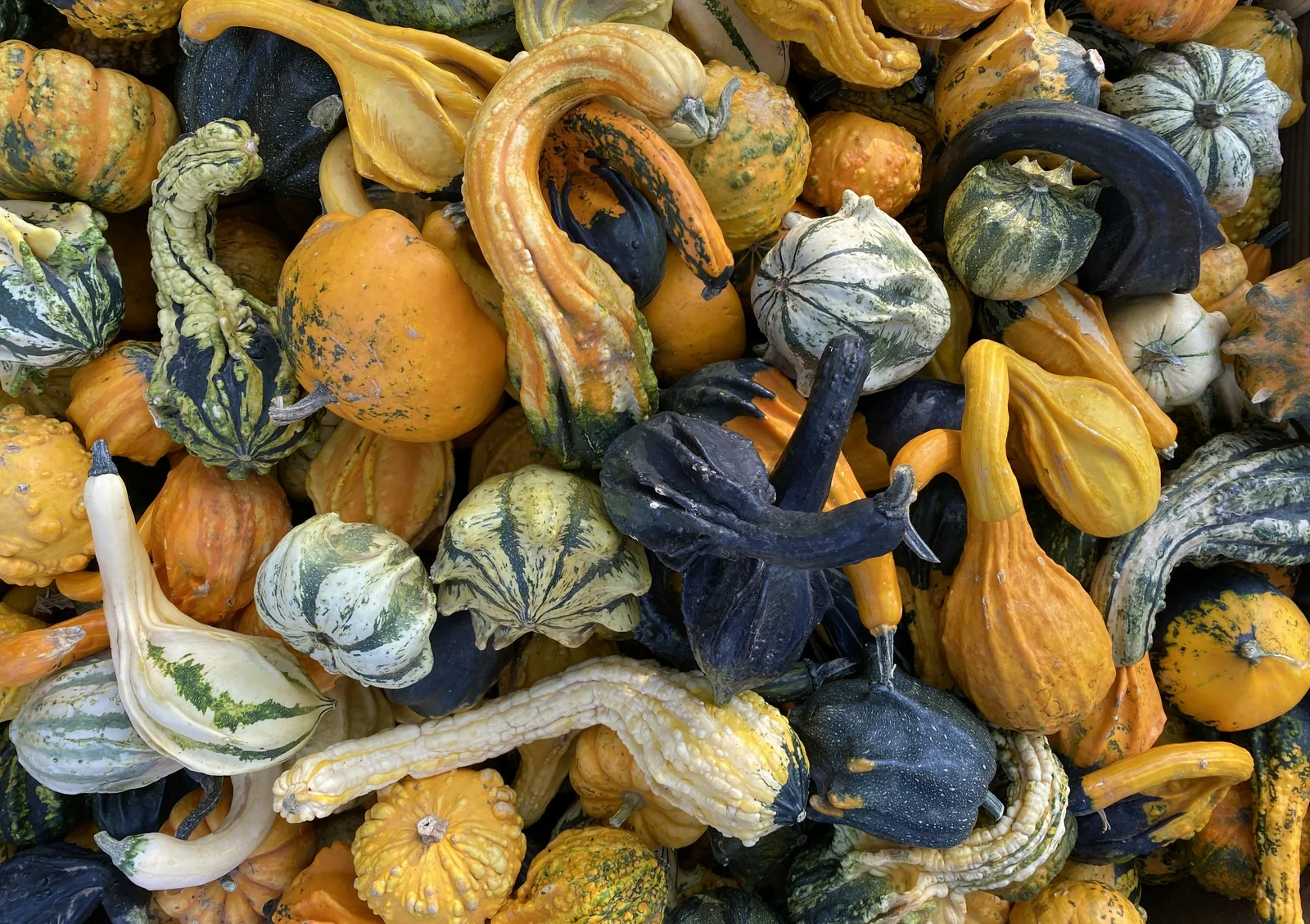
Pumpkin and squash are the great autumn harvest foods – deeply nourishing, warming, and rich in beta-carotene, vitamin C, and fibre. In TCM they are considered sweet and warming, supportive of the Spleen and Stomach (the digestive centre), and appropriate for the season's need for building and nourishing energy. Roasted, in soup, or in a congee, they are among autumn's most versatile and satisfying foods.
Root vegetables – parsnips, celeriac, beetroot, sweet potato, turnips – are harvested now and carry the concentrated nourishment of the whole growing season. In TCM, root vegetables are grounding, warming, and specifically appropriate as yang energy begins to descend into the earth for winter. They are ideal roasted, in soups, or slow-cooked.
Lotus root is a specific TCM Lung food – it nourishes Lung Yin, addresses dryness, and is used in Chinese medicine for both dry cough and bleeding conditions. Available in many Asian supermarkets, it can be sliced and added to soups, stir-fried, or eaten braised. Its distinctive hollow chambers are thought in TCM to mirror the air-filled bronchioles of the Lung, which is a characteristically evocative example of the tradition's symbolic thinking about food and body.
Daikon radish is used in TCM to move Qi, clear phlegm, and support the Lung and digestive system. Raw daikon has a sharper pungent quality; cooked it becomes sweet and very digestible. Daikon soup with a little ginger and spring onion is a traditional autumn cold-prevention remedy across much of East Asia.
Oats and other warming grains – oats are specifically considered Lung-nourishing in Western herbal tradition and are warming and moistening in TCM. Moving from summer's lighter grains and salads to warming porridge, slow-cooked grain dishes, and congee is one of the most nourishing autumn dietary transitions one can make.
Honey is used in TCM to nourish the Lung, soothe dry cough, and moisten the throat and large intestine. A spoonful of good raw honey in warm water, or used to dress steamed pear or porridge, is a simple and genuinely effective autumn tonic. Its moistening quality makes it particularly appropriate in a season defined by dryness.
Foods to Moderate in Autumn
Large quantities of raw, cold, or drying food – the salads and raw vegetables that served summer so well – are best reduced in autumn. TCM considers too much raw food in the cooler months to burden the digestive system and weaken Spleen Qi, contributing to fatigue, poor immunity, and a sluggish digestive system that will struggle through winter. The shift doesn't need to be dramatic – simply ensuring that most meals are warm and cooked is sufficient.
Dairy in excess can generate what TCM calls Phlegm – a concept that includes but extends beyond mucus, encompassing a general quality of sluggishness and congestion in the system. This is particularly relevant in autumn when the Lung is most active and susceptible; many people who suffer from recurrent respiratory problems or catarrh may find that reducing dairy in autumn makes a noticeable difference.
Simple Autumn Meal Ideas
Autumn cooking is satisfying and aromatic: a slow-cooked butternut squash soup with sage and ginger. Oat porridge with honey, pear, and warming spices. Roasted root vegetables with thyme and garlic. Congee with sesame oil and spring onion. Slow-cooked chicken with daikon and ginger. Baked pear with honey and cardamom. These meals are warming, nourishing, and precisely aligned with what TCM recommends for the season.