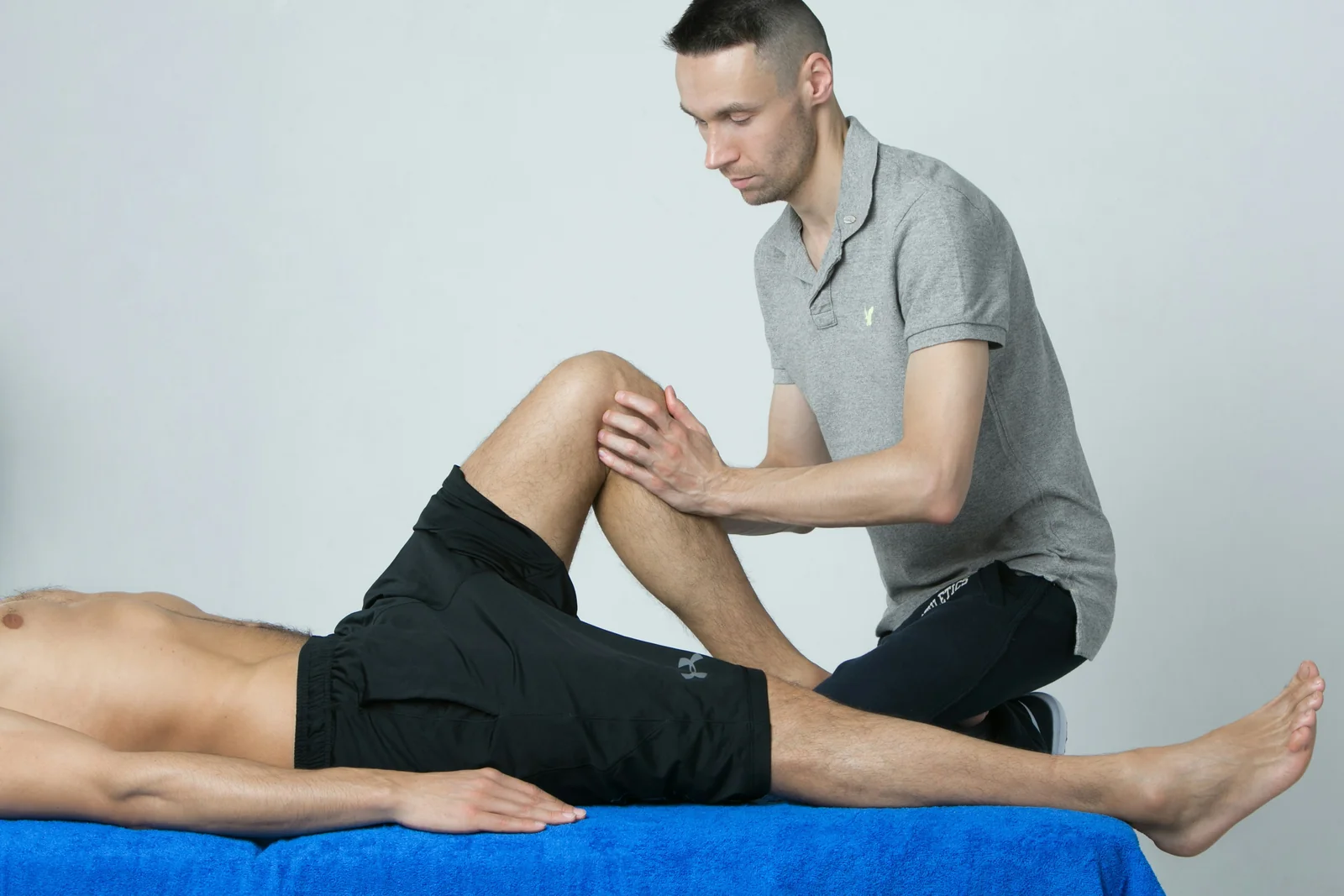
Kinesiology is one of the more distinctive approaches in complementary health, and one that many people find difficult to place. It sits somewhere between bodywork, energy medicine, and functional health assessment, drawing from several different traditions. Understanding what it is and what happens in a session can help you decide whether it might be relevant for you.
The word kinesiology comes from the Greek for movement. In conventional medicine and sports science, kinesiology refers simply to the study of how the body moves. In the complementary health world, it refers to a specific approach developed in the 1960s by George Goodheart, an American chiropractor, who discovered that manual muscle testing could be used as a form of biofeedback, a way of gathering information about how the body's various systems are functioning. This approach became Applied Kinesiology, and from it emerged several practitioner-led schools including Touch for Health, Health Kinesiology, and others.
What does a session involve?
A kinesiology session typically begins with a conversation about your current health, history, and what has brought you in. You will then lie fully clothed on a treatment table. The practitioner will gently test the resistance of specific muscles, usually by pressing lightly on your arm or leg and asking you to hold the position, and observe whether the muscle holds firm or gives way slightly. This is not a strength test; it requires very little effort. The muscle responses provide the practitioner with information about where imbalances may be present in the body's structural, chemical, emotional, or energetic systems.
Based on what they find, the practitioner will apply a range of gentle techniques: light massage of specific reflex points, gentle energy work, dietary or nutritional guidance, or simple movement exercises. A session typically lasts 60 to 75 minutes. Many people notice shifts during or after the session, sometimes physical, sometimes emotional, sometimes both.
"Kinesiology treats the body as an integrated system. Muscle testing is simply the tool for listening, the real work is in restoring the connections between the parts."
What might kinesiology help with?
Kinesiology is used for a broad range of concerns, including stress, fatigue, digestive issues, food sensitivities, hormonal imbalances, musculoskeletal pain, learning difficulties, sleep problems, and emotional difficulties. Because it works holistically, it tends to address underlying patterns rather than individual symptoms, which means results can be wide-ranging and sometimes unexpected.
It is worth noting that muscle testing as a diagnostic tool remains scientifically contentious, and robust clinical trials in kinesiology are limited. Many practitioners and clients nonetheless report meaningful and lasting improvements, particularly for complex or chronic concerns that have not responded well to conventional approaches. As with many complementary therapies, individual experience varies.
Finding a qualified kinesiologist
In the UK, the Kinesiology Federation is the main professional body, registering practitioners who have completed recognised training. Look for the letters KF after a practitioner's name, or check the federation's directory. Some practitioners also hold additional qualifications in nutrition, naturopathy, or other complementary health disciplines, which can inform their approach to the work.
Welvow's directory includes registered kinesiologists working with stress, fatigue, digestive health, hormonal balance, pain, and emotional wellbeing. Many will be happy to have a brief conversation before you book to give you a sense of how they work.
Find your practitioner →If you're drawn to an approach that looks at the whole picture, physical, emotional, and energetic, rather than a single complaint, kinesiology may offer something worth exploring.