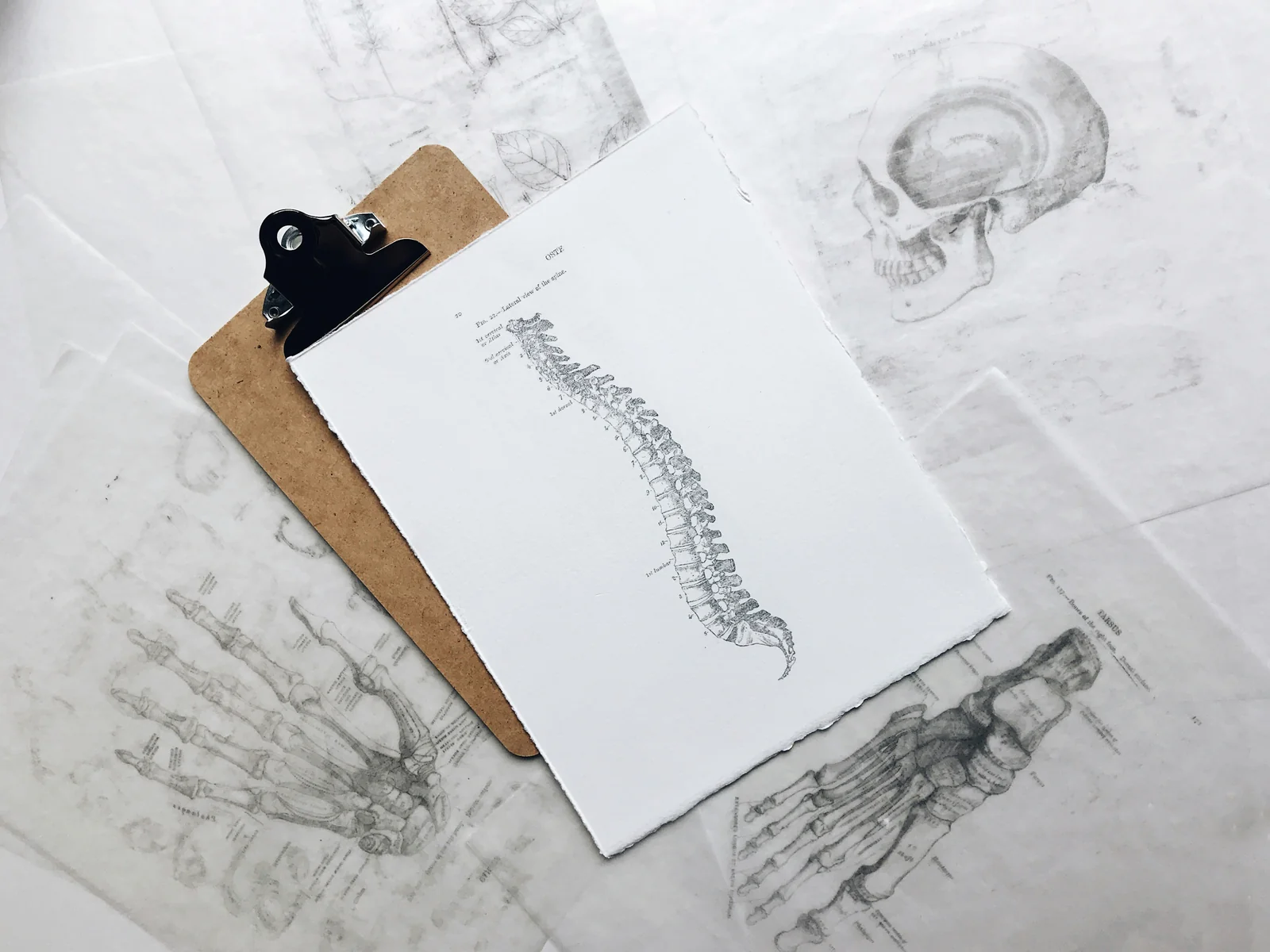
Craniosacral therapy (CST) is one of those approaches that can be difficult to convey in words, partly because its effects are often subtle, physical, and deeply internal. The practitioner places their hands very lightly on the body, typically starting at the head and working down to the sacrum (the base of the spine), and follows a barely perceptible rhythm in the tissues and fluids surrounding the brain and spinal cord. The work is extraordinarily gentle. Very little is done to the body; rather, the practitioner listens with their hands and responds to what the body offers.
The approach has its roots in osteopathy. It was developed in the early twentieth century by William Sutherland, an American osteopath who observed that the bones of the skull could move in subtle rhythmic patterns. His work was expanded by John Upledger in the 1970s, who developed the style known as CranioSacral Therapy, now taught worldwide and used by a range of healthcare practitioners as well as complementary therapists.
What does a session involve?
You will lie fully clothed on a treatment couch in a quiet room. The therapist will place their hands gently beneath and around different parts of your body, the base of the skull, the shoulders, the sacrum, the feet, using very light contact, often just the weight of a hand. You may feel warmth, tingling, a sense of something releasing or shifting, or simply a profound relaxation. Some people become very still, almost drowsy. Others feel emotional. Some notice very little during the session but feel quite different afterwards.
Sessions typically last 50 to 60 minutes. A course of sessions is usually recommended for ongoing concerns, though some people find benefit from a single treatment. The pace of this work is deliberately slow, it is not trying to force change but to create conditions in which the body can self-correct.
"The body holds what the mind has not yet processed. Craniosacral therapy works quietly in that space, encouraging release without demand."
What might craniosacral therapy help with?
CST is used for a wide range of concerns: headaches and migraines, neck and back pain, TMJ (jaw tension), fatigue, stress, sleep difficulties, post-natal recovery, birth trauma in infants, and general nervous system regulation. There is a growing interest in its use alongside conventional care for neurological conditions, post-concussion syndrome, and trauma. The research base is still developing, but clinical experience and a substantial body of case study evidence suggest meaningful benefit for many people in these areas.
Craniosacral therapy is considered very safe and is suitable for people of all ages, including newborns and elderly adults. Because the touch is so light, it is particularly appropriate for those who find deeper bodywork uncomfortable, or who are going through a sensitive time physically or emotionally.
Finding a qualified practitioner
In the UK, the Craniosacral Therapy Association (CSTA) registers practitioners who have completed recognised training programmes. Look for RCST after a practitioner's name (Registered Craniosacral Therapist). Some osteopaths and physiotherapists also integrate craniosacral techniques into their practice.
Welvow's directory includes registered craniosacral therapists working with stress, sleep, headaches, post-natal recovery, nervous system support, and trauma. Many practitioners will be happy to have a brief conversation before you book to help you understand if the approach is suited to your needs.
Find your practitioner →If you are looking for an approach that asks nothing of you beyond lying still and allowing, craniosacral therapy may be worth exploring. Its quietness is not a sign that nothing is happening, it often means quite the opposite.