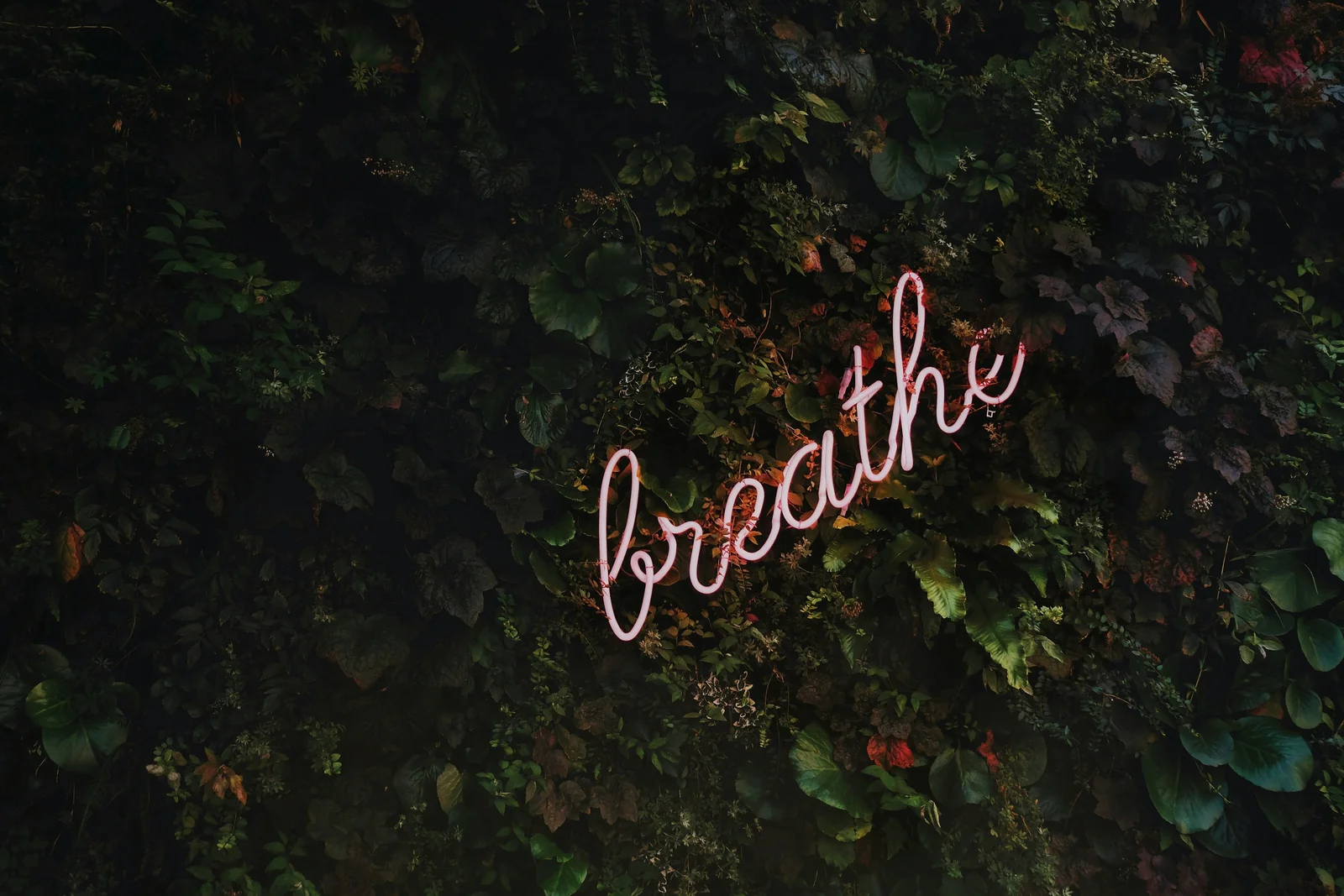
Breathing is the one physiological process that is both automatic and voluntary. Your body will breathe without your input all night long, but you can also choose, at any moment, to take over and direct it consciously. That dual nature is what makes the breath such a powerful point of access to the nervous system.
Breathwork is an umbrella term for a range of practices that use intentional breathing to support physical, mental, or emotional wellbeing. Some are gentle and deeply relaxing; others are more activating or cathartic. What they share is the principle that how you breathe affects how you feel, and that deliberately changing your breathing pattern can shift your physiological state in meaningful ways.
The different types of breathwork
The range under the breathwork umbrella is wide. At the gentler end you'll find practices like coherent breathing (breathing at a slow, steady rhythm to support heart rate variability), box breathing (used by everyone from athletes to military personnel for calm focus), and diaphragmatic breathing (activating the lower breath to signal safety to the nervous system). These are relatively simple, evidence-informed techniques that many people can practise independently once learned.
At the more intensive end sit practices like Holotropic Breathwork, developed by Stanislav Grof, and Rebirthing, which use sustained, connected breathing patterns to produce altered states that some people find emotionally significant. These should only be undertaken with a trained facilitator and are not appropriate for everyone. There are also somatic breathwork approaches that sit somewhere in the middle, using the breath as a way to work with tension, emotion, or trauma held in the body.
"The breath is a bridge between what we can control and what we cannot. Learning to use it is one of the most practical things a person can do for their nervous system."
What breathwork might help with
Many people find breathwork useful for anxiety, stress, and the kind of low-grade tension that builds up over time. Because of its direct effect on the autonomic nervous system, it can help shift the body out of a state of chronic activation and into something more settled. Some people also explore it in the context of sleep difficulties, emotional processing, or somatic trauma work, where working with the body directly can sometimes access things that talking alone does not reach.
Regular practice of even simple breathing techniques can, over time, change how reactive you are to stress, how well you sleep, and how your body holds anxiety. This is something many people find genuinely surprising given how little attention most of us pay to how we breathe.
Working with a breathwork facilitator
If you are new to breathwork, or interested in exploring more intensive practices, working with a qualified facilitator can make a significant difference. A good facilitator will take a thorough history, help you understand what to expect, and hold a safe container for whatever the experience brings. For those exploring breathwork as part of trauma processing, it is particularly important to work with someone who has relevant training.
Welvow's directory includes breathwork facilitators working across a range of styles and contexts, from accessible stress-relief sessions to deeper somatic and emotional work. Many offer introductory sessions to help you get a sense of what might suit you.
Find your practitioner →Breathing is something you do around 20,000 times a day. With a little guidance, many of those breaths can begin to work for you rather than simply sustaining you.