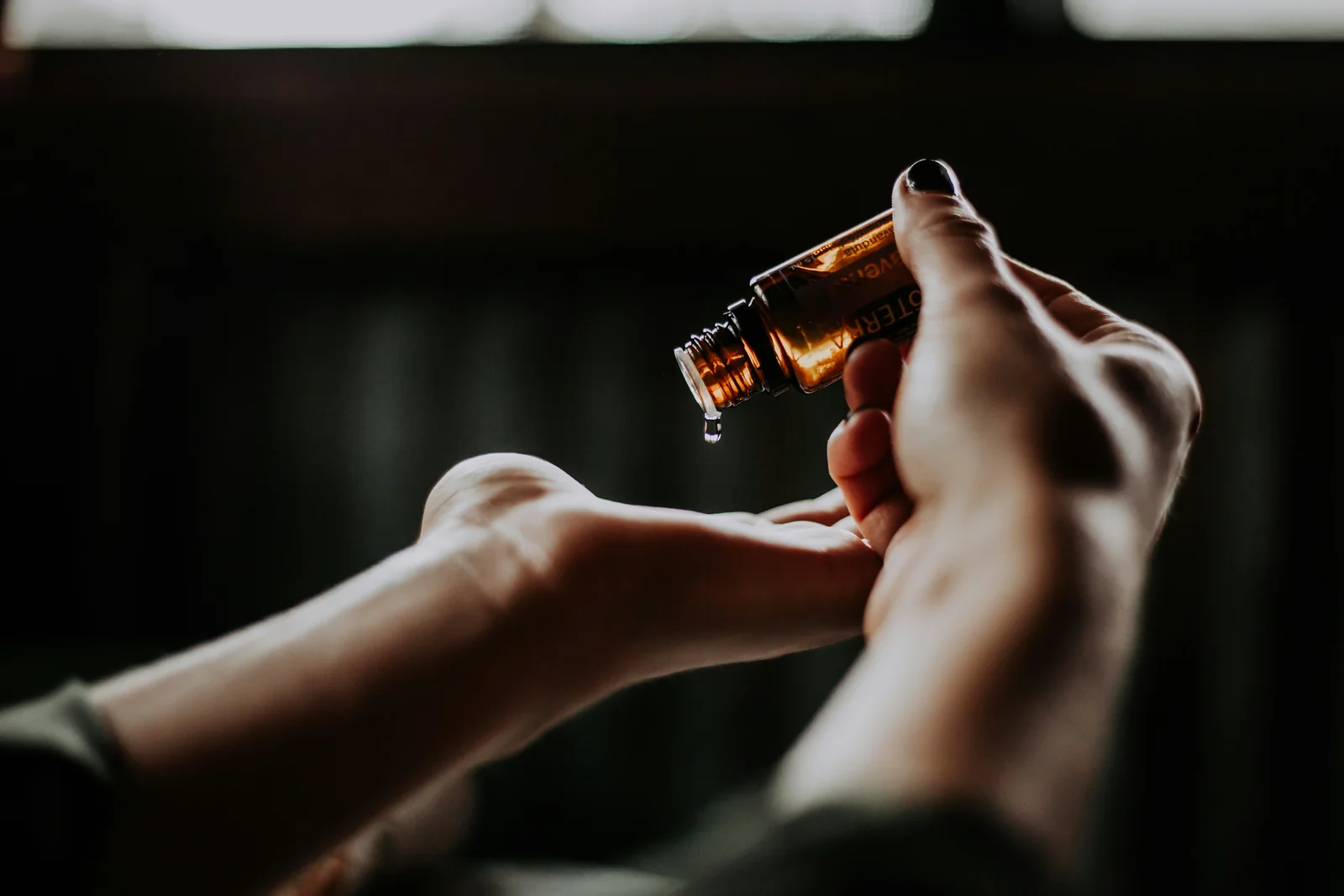
The word aromatherapy calls to mind scented candles and bath products, and that association has perhaps done the practice a disservice. Clinical aromatherapy, as practised by a qualified therapist, draws on a detailed knowledge of essential oils and their constituents to create personalised blends used in therapeutic massage, inhalation, or skin application. It is a considered practice, not simply a pleasant one.
Essential oils are extracted from plants, flowers, bark, roots, resins, and citrus peel, among other sources, and are highly concentrated. Lavender, for instance, requires approximately 100kg of flowers to produce around 1kg of essential oil. Because they are so concentrated, they are always diluted before use on the skin, most often in a carrier oil that itself has its own properties and benefits.
What happens in an aromatherapy session?
A clinical aromatherapy session begins with a consultation, in which the therapist asks about your health, lifestyle, and what you're hoping to address. They will then select and blend essential oils appropriate for your situation. The core of most sessions is a full-body or targeted massage using the personalised blend, though oils may also be used in inhalation, compresses, or baths.
One of the distinctive qualities of aromatherapy is the way scent directly influences the limbic system, the part of the brain involved in emotion, memory, and stress response. This happens quickly and without conscious interpretation. Many people find that certain essential oils have a tangible effect on their mood and nervous system state, independent of any belief about the therapy.
"Scent is one of the most direct routes to the emotional brain. Aromatherapy uses that pathway intentionally, with plant medicines that have been used for centuries."
What might aromatherapy help with?
Stress, anxiety, and sleep difficulties are among the most common reasons people seek aromatherapy, and the research on lavender in particular for anxiety and sleep has grown considerably in recent years. Aromatherapy is also commonly used for muscle tension and pain, skin concerns, hormonal support, digestive discomfort, and as a supportive companion during pregnancy (with appropriate oils and a therapist trained in maternity work) or during the challenges of illness and recovery.
It is gentle, pleasant, and poses very few risks when practised by a qualified therapist who takes a thorough health history. Certain oils are contraindicated in pregnancy, with some medical conditions, or when taking certain medications, and a competent aromatherapist will always check.
Finding a qualified aromatherapist
In the UK, the International Federation of Aromatherapists (IFA) and the Aromatherapy Council are the main professional bodies. Look for a therapist who holds a recognised qualification and is a member of one of these organisations. This provides some assurance of training standard and professional accountability.
Welvow's directory includes qualified aromatherapists working with stress, sleep, hormonal support, skin concerns, and general wellbeing. Many are also trained in related bodywork disciplines and can tailor sessions to your specific needs.
Find your practitioner →There is something genuinely powerful about working with scent and touch together. For many people, aromatherapy offers a quality of care and sensory restoration that is harder to find in more clinical settings.