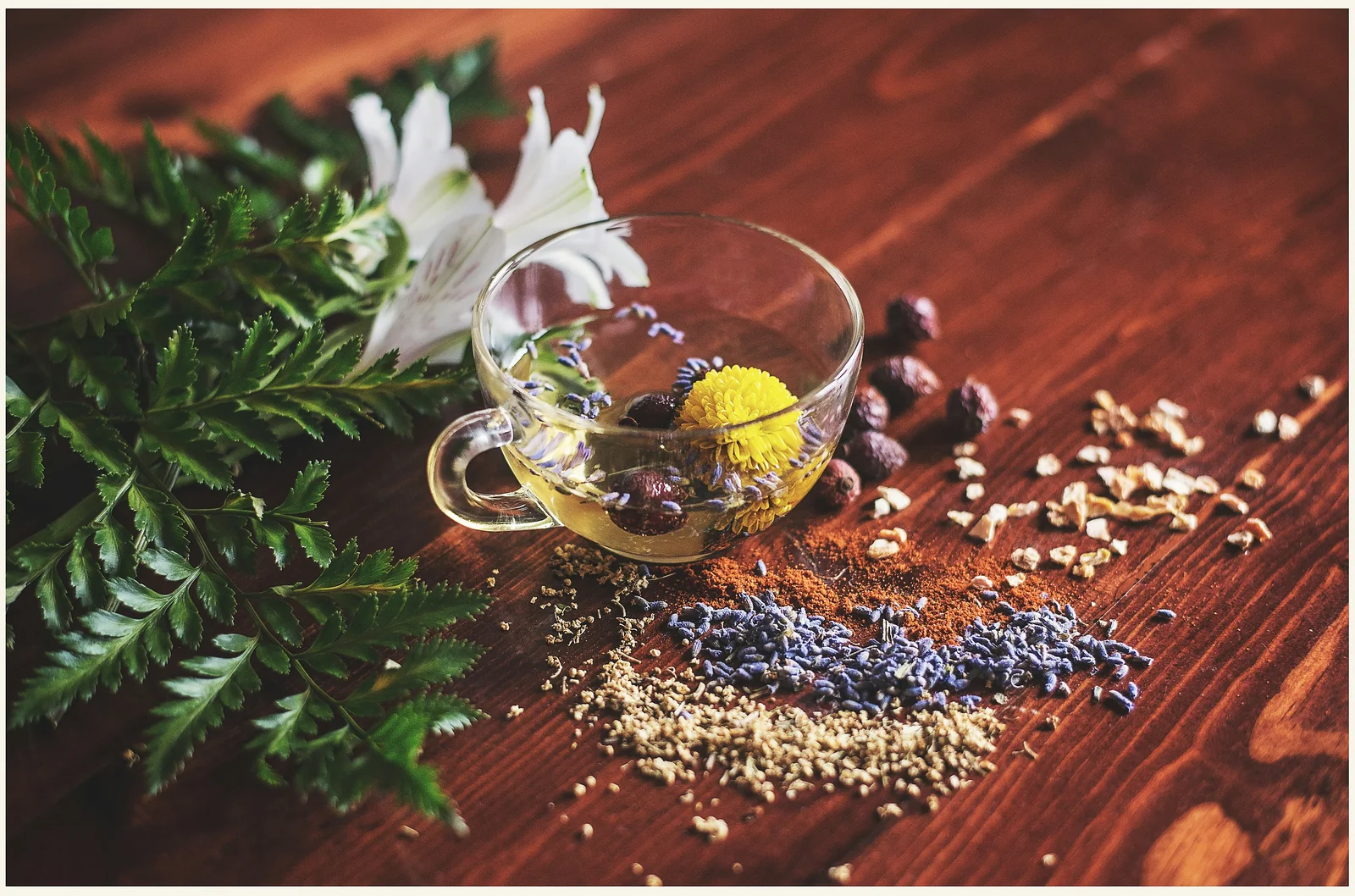
Picking up a bottle of echinacea at the chemist is a very different thing from consulting a medical herbalist. The herbal supplement industry and medical herbalism share a common raw material, but they are not really the same practice. A qualified medical herbalist takes a thorough case history, considers your health picture as a whole, and creates a personalised prescription, usually in the form of a liquid tincture, that may combine several plant medicines chosen for the specific person in front of them.
The Western tradition of herbal medicine stretches back thousands of years and draws on knowledge accumulated across cultures and centuries. Modern medical herbalists integrate this traditional knowledge with contemporary understanding of pharmacology, nutrition, and physiology. They are trained to understand how plants interact with the body, with each other, and with pharmaceutical medications, and to work within their scope of practice in relation to conventional care.
What happens in a consultation?
A first appointment with a medical herbalist is usually lengthy, often 60 to 90 minutes. The herbalist will ask in detail about your current health concerns, your health history, your digestion, sleep, energy, stress levels, and general constitution. They may also assess your tongue, pulse, and other physical indicators depending on their training background.
From this, they will create a bespoke prescription. This is a meaningful distinction from off-the-shelf products: the formulation is made for you specifically, and the herbalist will adjust it over subsequent appointments based on how you respond. Alongside the prescription, herbalists often give advice about diet, lifestyle, and self-care practices that complement the herbal work.
"Plants contain hundreds of constituent compounds that work together in ways that are still not fully understood. A skilled herbalist knows how to work with that complexity, not simplify it away."
What might medical herbalism help with?
People visit herbalists for a very wide range of concerns. Digestive issues, hormonal imbalance, skin conditions, fatigue, recurrent infections, sleep difficulties, anxiety, and the management of chronic conditions are among the most common. Herbalists can work alongside conventional medicine, though it is important to tell both your GP and your herbalist about any medications you are taking, as some herbs can interact with pharmaceutical drugs.
Herbal medicine tends to work more slowly than pharmaceutical intervention, and is generally more suited to supporting the body's own processes over time than to acute symptom management. Many people find it suits conditions that have been present for a while and have not fully resolved with other approaches.
Finding a qualified medical herbalist
In the UK, the National Institute of Medical Herbalists (NIMH) is the oldest professional body for herbalists in the world, and practitioners registered with the NIMH have completed a recognised degree-level training. The College of Practitioners of Phytotherapy (CPP) and the Association of Master Herbalists are also relevant bodies. Look for the letters MNIMH or FNIMH after a practitioner's name as an indication of professional membership.
If you're curious about medical herbalism, Welvow's directory includes qualified herbalists working with a range of concerns, from hormonal health and digestion to immunity, skin, and stress. Many offer an initial telephone consultation before a full appointment.
Find your practitioner →Plants have been supporting human health for as long as humans have existed. Working with a qualified herbalist is a way to access that tradition in a form that is tailored carefully to you.