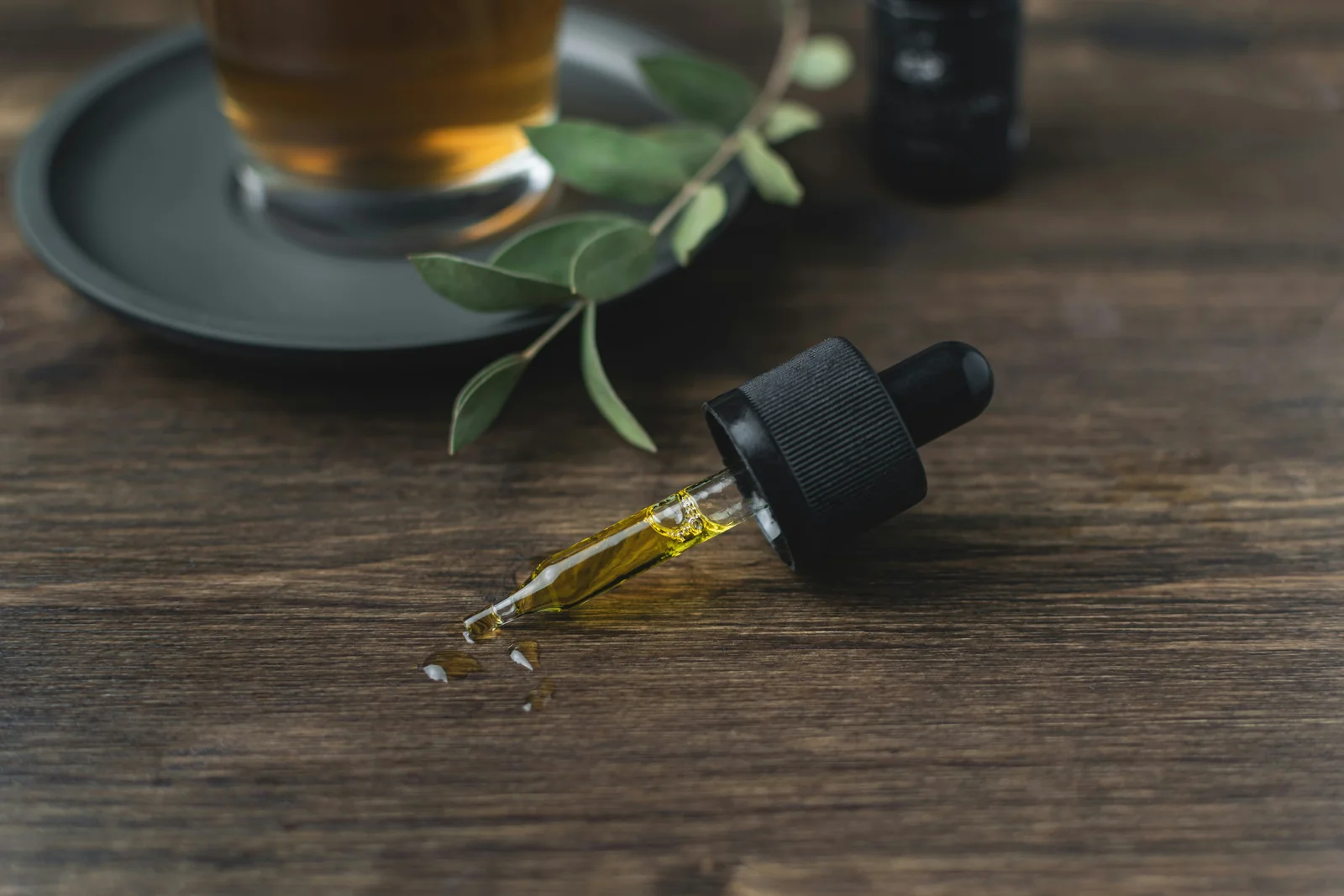
Natural approaches to pain management sit alongside – not instead of – medical care. For many people living with persistent or recurring pain, they form a useful part of a wider toolkit: things that can be used daily, at home, without a prescription, that may help ease discomfort, calm the nervous system, and improve quality of life.
We've tried to be honest here about what the evidence does and doesn't show. Some approaches have good research behind them; others are widely used and valued by many people even where the formal evidence is limited. Both are worth knowing about.
Heat Therapy
Heat is one of the oldest and most consistently used pain relief tools – and it works. Applying warmth to a painful area increases blood flow, relaxes muscle tension, and reduces the sensitivity of pain receptors. It's particularly useful for muscle pain, joint stiffness, period pain, and tension headaches.
Options include hot water bottles, heat packs (wheat bags that can be microwaved), warm baths, and adhesive heat patches that can be worn discreetly during the day. A warm Epsom salt bath has the added benefit of magnesium absorption through the skin – magnesium plays a role in muscle relaxation and nerve function, and many people with chronic pain may be deficient.
Heat is not appropriate for acute injuries in the first 48–72 hours (where it can worsen swelling) or for areas with reduced sensation. Use with care and always check with a health professional if unsure.
Cold Therapy
Cold reduces inflammation, numbs nerve endings, and decreases swelling – making it more appropriate than heat for acute injuries and inflammatory flare-ups (such as arthritic joints during a flare). Ice packs, frozen peas wrapped in a cloth, or cold-water immersion can all be effective. Never apply ice directly to the skin, and limit applications to 15–20 minutes at a time.
Some people with chronic pain find alternating heat and cold (contrast therapy) helpful – the shift between the two may stimulate circulation and reduce stiffness.
Essential Oils
Aromatherapy with essential oils is widely used for pain, and while the formal evidence base is relatively limited, many people find them a genuinely useful part of their pain management approach – particularly for headaches, muscle pain, and creating a calming environment that supports nervous system regulation.
Lavender is one of the most well-studied essential oils, with some evidence for reducing pain intensity in conditions including headaches, joint pain, and post-operative discomfort. It's also widely valued for its calming effect on the nervous system, which may indirectly help pain.
Peppermint contains menthol, which creates a cooling sensation and may help block pain signals at the skin's surface. Applied topically (always diluted in a carrier oil such as coconut or almond oil), it's particularly popular for tension headaches – applied to the temples and forehead – and muscle aches.
Eucalyptus has anti-inflammatory and analgesic properties and is commonly used in topical pain preparations. It may help with joint pain and respiratory discomfort. As with all essential oils, it should always be diluted before skin contact.
Frankincense has anti-inflammatory compounds that have been researched in the context of arthritis, with some promising results. It's often used in massage blends for joint and muscle pain.
Clary sage is often used for period pain and muscle spasm – some women find it helpful during menstruation when used in a warm bath or as a diluted massage oil across the lower abdomen.
Important safety notes: essential oils must always be diluted in a carrier oil before applying to skin (a general ratio is 2–3 drops per teaspoon of carrier oil). They should not be ingested. Certain oils are not suitable during pregnancy. If you have a health condition or are on medication, check with a pharmacist or aromatherapist before use.
Herbal Remedies
Boswellia (also called Indian frankincense) is one of the best-researched herbal remedies for pain, with several clinical studies suggesting it may reduce pain and improve function in osteoarthritis, rheumatoid arthritis, and inflammatory bowel conditions. It inhibits a specific inflammatory pathway (5-LOX) and is generally well tolerated.
Devil's claw is a southern African plant with reasonable evidence for reducing back pain and osteoarthritis pain. Some studies have found effects comparable to conventional anti-inflammatories over short periods.
Willow bark contains salicin – a compound related to aspirin – and has been used for centuries for pain and fever. Evidence suggests it may help with back pain and osteoarthritis, though it's not suitable for people who cannot take aspirin.
CBD (cannabidiol) oil is increasingly used for pain management and has attracted significant research interest. Some people find it helpful for chronic pain, anxiety related to pain, and sleep disruption. The evidence base is still developing, and quality varies enormously between products – look for third-party tested products with clear CBD content labelling.
A note on herbal remedies: they are not without risk and can interact with medications. Always check with your GP or pharmacist before taking herbal supplements, particularly if you are on prescription medication or have a health condition.
Acupuncture
Acupuncture has more evidence behind it than many complementary therapies, particularly for chronic pain conditions including back pain, neck pain, osteoarthritis, and headaches. The NHS now recommends it for certain types of chronic pain. It's thought to work in part by stimulating the release of endorphins and influencing the way pain signals are processed in the nervous system.
Massage
Regular massage therapy – whether from a therapist or through self-massage techniques – can reduce muscle tension, improve circulation, and stimulate the release of endorphins. It's particularly useful for muscular pain, tension headaches, and conditions like fibromyalgia. Even simple self-massage techniques applied daily to tight areas can make a noticeable difference over time.
Magnesium
Magnesium deficiency is common and is associated with increased pain sensitivity, muscle cramps, tension headaches, and poor sleep. Supplementing with magnesium glycinate or magnesium malate (forms that are more easily absorbed than cheaper magnesium oxide) may help reduce pain in some people, particularly those with fibromyalgia, migraines, or period pain. Epsom salt baths provide magnesium sulphate transdermally and are worth trying.
Mindfulness and Breathwork
Mindfulness-based approaches have good evidence for chronic pain – not by eliminating it, but by changing the person's relationship with it. Mindfulness-Based Stress Reduction (MBSR) programmes and mindfulness meditation can reduce pain intensity ratings, pain-related distress, and the tendency to catastrophise, which amplifies pain. Deep, slow breathing activates the parasympathetic nervous system, reducing the stress response that can worsen pain sensitivity.