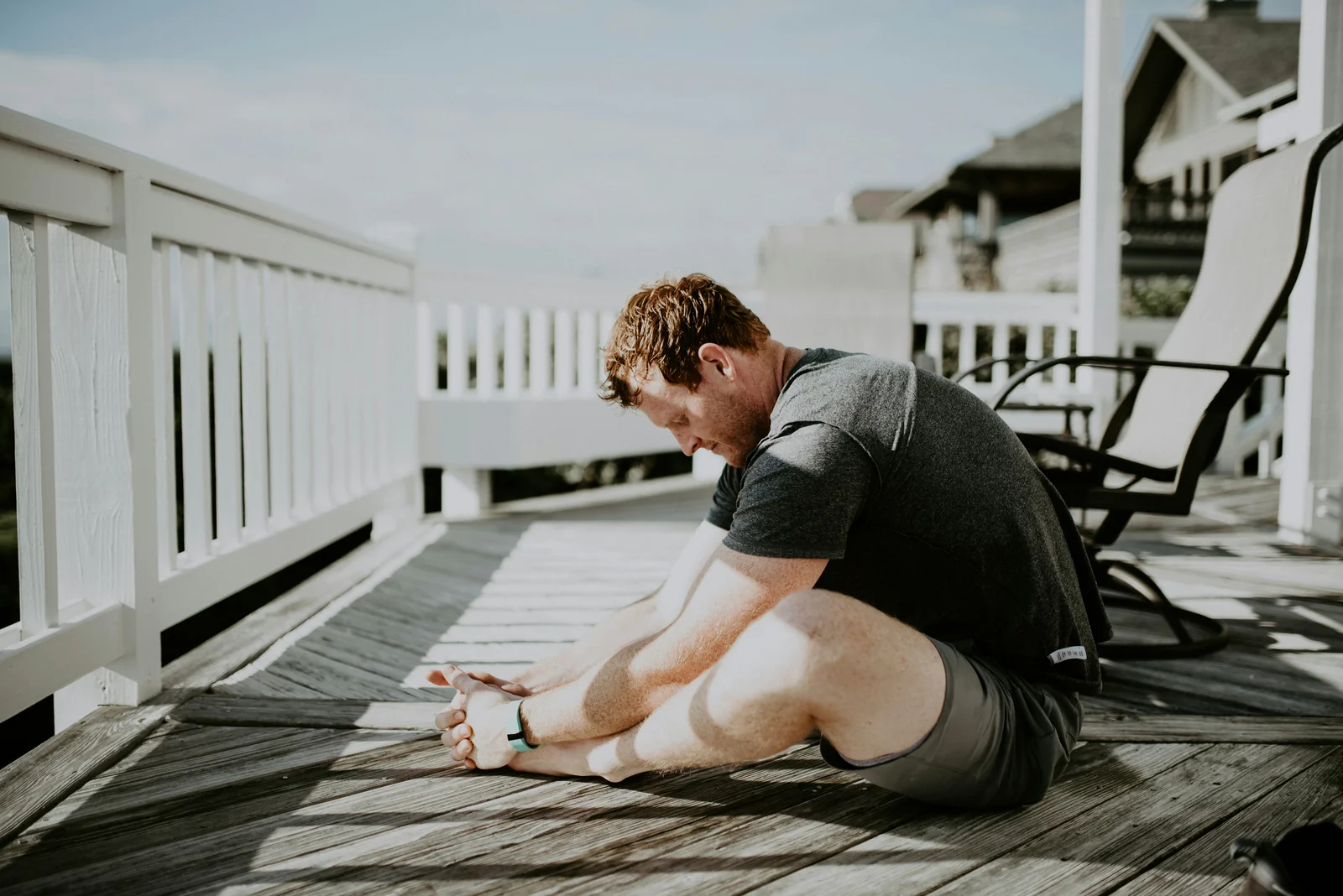
The idea of exercising when you're in pain can feel contradictory, even alarming. Pain feels like the body's instruction to stop – and for acute injury, that's largely correct. But for chronic pain, the evidence consistently points in a different direction: carefully graded movement, done regularly, is one of the most beneficial things a person can do.
This doesn't mean pushing through severe pain or ignoring signals from your body. It means understanding why movement helps – and how to approach it in a way that builds gradually without causing harm.
Why Inactivity Often Makes Pain Worse
When pain leads to reduced movement over time, a cascade of effects tends to follow. Muscles weaken and tighten. Joints stiffen. Circulation decreases to affected areas. The nervous system, deprived of normal sensory input from movement, may become more sensitised – interpreting lower levels of stimulation as threatening. Sleep often worsens, which further amplifies pain sensitivity. Low mood and anxiety – common companions of chronic pain – frequently increase with inactivity too.
The result is a cycle where pain causes less movement, which makes the body less capable of moving, which makes movement more painful – a loop that can tighten over months and years if not interrupted.
How Movement Helps
Regular gentle movement has several mechanisms through which it may reduce pain:
- Endorphin release – movement stimulates the release of the body's natural pain-modulating chemicals, including endorphins and endocannabinoids
- Nervous system regulation – consistent movement helps the nervous system recalibrate, reducing the hypersensitivity associated with chronic pain
- Reduced inflammation – regular physical activity has anti-inflammatory effects, partly through its influence on inflammatory cytokines
- Improved circulation to painful areas, supporting tissue health and repair
- Stronger supporting muscles – reducing load on painful joints and structures
- Improved sleep – which in turn reduces pain sensitivity
- Improved mood – which is not a trivial effect; depression and anxiety both amplify pain, and movement is one of the most effective approaches to both
What Kind of Movement Helps
The right kind of movement depends on the individual, the nature of their pain, and their starting point. In general, the most evidence-based forms of movement for chronic pain include:
Walking is often the most accessible starting point – low impact, adjustable in intensity and duration, and beneficial for a wide range of chronic pain conditions. Even short, regular walks are more helpful than occasional longer ones.
Swimming and hydrotherapy allow movement in a warm, buoyant environment that takes weight off painful joints. For people with osteoarthritis, fibromyalgia, or back pain, aquatic exercise is particularly well supported by evidence.
Yoga – particularly gentler styles such as restorative or chair yoga – combines movement, stretching, breathwork, and mindfulness. Research supports its use for back pain, fibromyalgia, and osteoarthritis, and many people find it addresses both physical and psychological dimensions of pain.
Pilates focuses on core strength, posture, and controlled movement, and has good evidence for back pain in particular.
Tai chi is a gentle, flowing practice with some of the strongest evidence for pain reduction across multiple conditions – particularly osteoarthritis and fibromyalgia. Its emphasis on slow, mindful movement and balance also supports nervous system regulation.
Strength training – done gradually and with appropriate guidance – builds the muscular support around painful joints and has been shown to reduce pain in conditions including osteoarthritis and back pain over the longer term.
The Pacing Principle
One of the most important concepts in pain rehabilitation is pacing: doing a manageable amount of activity, then resting, then doing a little more – gradually increasing what's possible over time without boom-and-bust cycles. Many people with chronic pain operate on a pattern of doing too much on a good day, then crashing and doing very little for several days, then repeating. This cycle can prevent meaningful progress.
Pacing means starting small – sometimes uncomfortably small – and building steadily. A physiotherapist or occupational therapist with experience in pain management can help develop an appropriate programme.
Starting When It Feels Impossible
For people in significant pain, even gentle movement can feel like too much. Starting with very small amounts – a five-minute walk, a few minutes of gentle stretching, movement in a warm pool – is entirely valid. The key is consistency over intensity: doing something every day, however small, is more effective than occasional ambitious efforts.