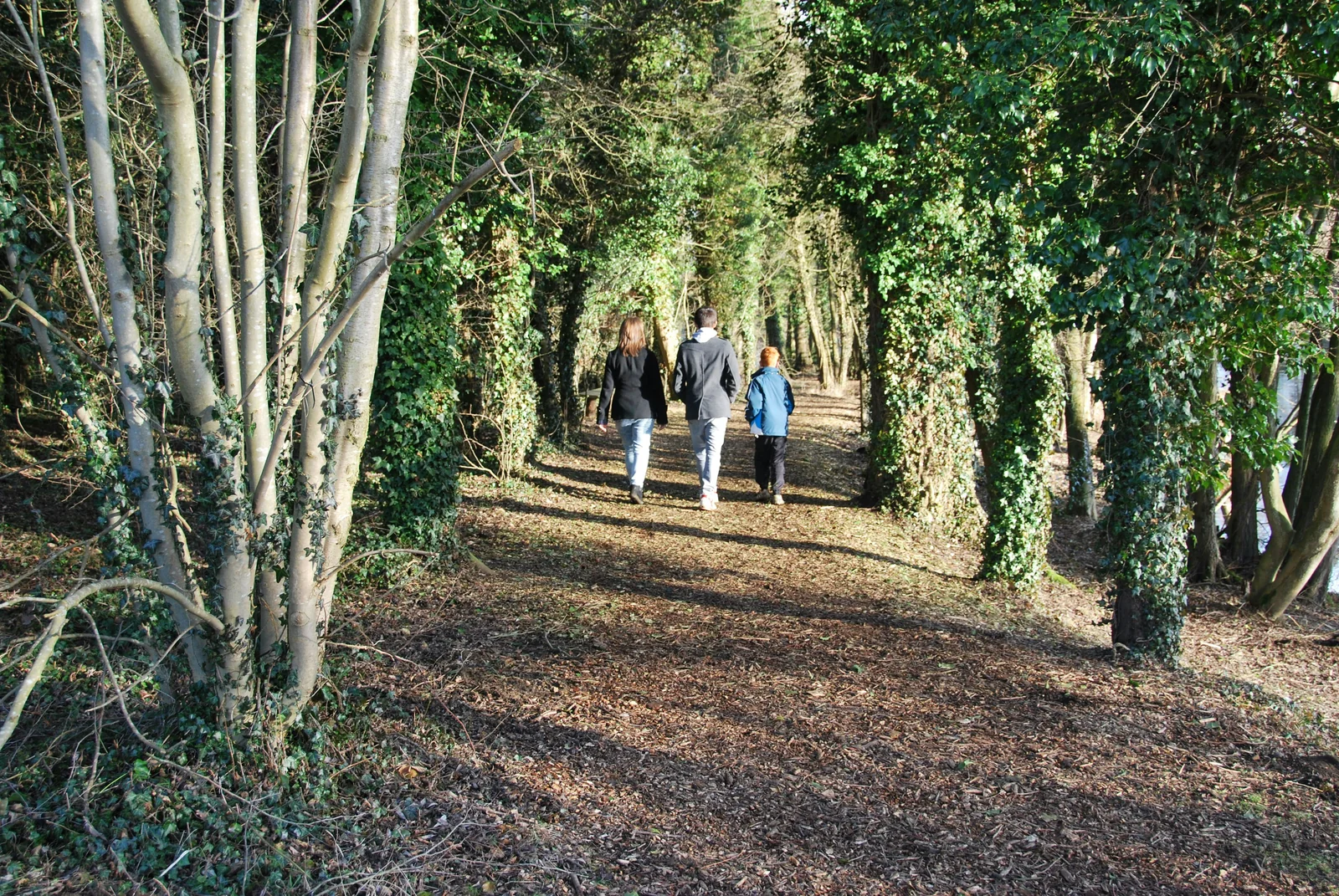
There is a particular melancholy that many people notice in autumn – a wistfulness that comes with the shortening days, the falling leaves, the sense of summer's abundance receding. This feeling doesn't have a clear cause and can't quite be argued away. In Traditional Chinese Medicine, its presence is entirely expected: autumn is the season of the Lung, and the Lung's emotion is grief, or more precisely, the bittersweet acknowledgement of what passes.
The Metal Element and Emotional Life
The Metal element, which governs autumn in TCM, is associated with refinement, precision, and the ability to discern what truly has value. A healthy Metal element gives a person the capacity to be moved by beauty, to feel loss fully and release it cleanly, and to know with clarity what matters and what can be let go. When Metal is in balance, grief is not overwhelming – it flows through, is honoured, and passes, like the leaves that fall without the tree's distress.
When Metal is out of balance, these qualities become distorted. The person may hold grief too long, unable to complete the emotional release that loss requires. They may become rigid, controlling, or overly attached to order as a way of managing underlying sadness. Alternatively, the person with depleted Metal may feel a pervasive flatness – an inability to be moved at all, a kind of emotional dryness that mirrors autumn's dryness in the physical body.
The positive qualities of the Metal element – its precision, its appreciation of quality, its capacity for discernment – are genuinely worth cultivating in autumn. The season invites reflection on what has genuine value in one's life, and on what can be released without regret.
Seasonal Affective Disorder and Autumn
For some people, autumn's emotional shift is more than seasonal wistfulness – it marks the beginning of significant low mood that will continue through winter. Seasonal Affective Disorder (SAD) affects a meaningful proportion of the population in northern latitudes, and its onset typically coincides with the shortening days of autumn. Symptoms include persistent low mood, fatigue, increased sleep, increased appetite (particularly for carbohydrates), reduced motivation, and social withdrawal.
The physiological basis of SAD is well understood: reduced light exposure triggers increased melatonin and reduced serotonin, affecting mood, energy, and appetite regulation. Light therapy – daily use of a 10,000 lux light therapy lamp – has good evidence as a first-line treatment and is most effective when started in autumn before symptoms become severe. If you have experienced SAD in previous years, beginning light therapy in September or October may help prevent the worst of the winter dip. A GP can provide further guidance, and talking therapy (particularly Cognitive Behavioural Therapy adapted for SAD) may also help.
Autumn as an Invitation to Process
One of the most useful perspectives on autumn's emotional quality is as an invitation to process – to complete the emotional cycles that haven't finished, to acknowledge what the year has brought and what it is taking with it, and to clear what is no longer needed to make space for winter's deeper rest. This doesn't require dramatic emotional work; it might simply mean journalling with more intention in autumn, having honest conversations that summer's busyness didn't allow, or spending quiet time outdoors where the season itself provides a kind of witness to the process of letting go.
The practice of consciously noticing what one is ready to release – expectations, resentments, habits that have become burdens, aspects of identity that no longer fit – can be done as naturally as noticing the leaves fall. The autumn equinox has been honoured across many cultures as a moment of completion and release, and the natural world models this so directly that simply being present to it can have its own quiet effect.
Supporting Emotional Wellbeing in Autumn
- Light therapy – particularly for those with a history of seasonal mood changes; starting in September or October is most effective
- Conscious breathing outdoors – the Lung's season responds particularly well to fresh-air breathing practices; even 10 minutes of deliberate, deep breathing in natural surroundings may lift the quality of a difficult autumn day
- Allowing grief its movement – in TCM, suppressed grief injures the Lung. The season's invitation is not to push sadness away but to let it be felt and released; this is not weakness but physiological wisdom
- Creative expression – autumn is well suited to reflective creative practice: writing, painting, music, poetry. The Metal element has an affinity for art that distils experience into something of value
- Warmth and connection – the season's contraction makes genuine human warmth more rather than less important; fireside conversations, warm shared meals, and the simple comfort of close relationships support the emotional landscape of autumn
- Reducing stimulants – caffeine and alcohol, both of which affect the nervous system and sleep quality, may amplify autumn's emotional difficulty for sensitive individuals; moderating them through the season can help
When Autumn Emotional Patterns Need Support
If autumn consistently brings significant low mood, anxiety, or emotional difficulty that affects daily functioning, speaking with a GP is important. Seasonal patterns deserve professional attention. Talking therapy, light therapy, medication, or a combination may all be appropriate depending on the nature and severity of what's experienced. A TCM practitioner may also be able to address the Lung Qi or Metal element pattern that underlies seasonal emotional vulnerability.