Inflammation is the body's natural response to injury and infection – a short-term process that is essential for healing. The problem arises when inflammation becomes chronic: a low-grade, persistent state that can drive pain, fatigue, and a range of other health issues over time.
Diet is one of the most powerful levers we have for influencing systemic inflammation. This doesn't mean food is a cure for pain – it isn't – but for many people, shifting towards an anti-inflammatory dietary pattern is a worthwhile and genuinely supportive step.
Foods That May Help Reduce Inflammation
Oily fish – salmon, mackerel, sardines, anchovies, and trout – are among the richest dietary sources of omega-3 fatty acids (EPA and DHA), which have well-documented anti-inflammatory effects. Research suggests that regular consumption of oily fish may be associated with reduced joint pain and stiffness, particularly in conditions like rheumatoid arthritis. Aim for two to three portions a week if possible.
Turmeric contains curcumin, a compound with significant anti-inflammatory properties. It has been studied in conditions including osteoarthritis and inflammatory bowel conditions, with some research finding effects comparable to anti-inflammatory medications at higher doses. The key is absorption: curcumin is poorly absorbed on its own but is significantly enhanced by black pepper (piperine) and healthy fat. Adding turmeric to food with a pinch of black pepper and some olive oil is a practical way to get the benefit – or a good-quality supplement with piperine.
Ginger contains gingerols and shogaols – compounds that inhibit several inflammatory pathways in the body. Fresh ginger in cooking, ginger tea, or ginger taken as a supplement may help with pain from conditions including osteoarthritis and muscle soreness. Some research also suggests it may help with nausea associated with pain medications.
Extra virgin olive oil contains oleocanthal, a compound that works similarly to ibuprofen in the body by inhibiting inflammatory enzymes. The evidence is most robust for the Mediterranean dietary pattern overall, of which good-quality olive oil is a central feature.
Colourful vegetables and fruits – particularly dark leafy greens (spinach, kale, rocket), berries, cherries, and orange and red vegetables – are rich in antioxidants and polyphenols that may help counter oxidative stress and inflammation. Tart cherries, in particular, have been studied for their effect on gout and muscle soreness, with some encouraging results.
Nuts and seeds – particularly walnuts (high in omega-3s), flaxseed, and chia seeds – contribute to an anti-inflammatory dietary pattern and provide healthy fats that support cell membrane function.
Legumes – lentils, chickpeas, black beans, and others – are rich in fibre, which supports gut health. Emerging research suggests a strong connection between gut microbiome health and systemic inflammation, making fibre-rich foods an important part of the picture.
Green tea contains EGCG (epigallocatechin gallate), a potent antioxidant polyphenol with anti-inflammatory properties. Several cups a day is associated in research with lower markers of inflammation.
Foods That May Worsen Inflammation
Just as some foods may help, others consistently appear to drive inflammation – and for people managing chronic pain, reducing these may be as important as adding beneficial ones:
- Ultra-processed foods – packaged snacks, ready meals, and fast food high in refined oils, sugar, and additives
- Refined carbohydrates and added sugars – white bread, pastries, sugary drinks, confectionery
- Vegetable and seed oils high in omega-6 (sunflower, corn, and soybean oil in large quantities) – when the ratio of omega-6 to omega-3 in the diet is very high, it may promote a more pro-inflammatory state
- Alcohol – regular heavy alcohol consumption promotes systemic inflammation and can worsen pain sensitivity
- Red and processed meat in large quantities
The Overall Pattern Matters More Than Any Single Food
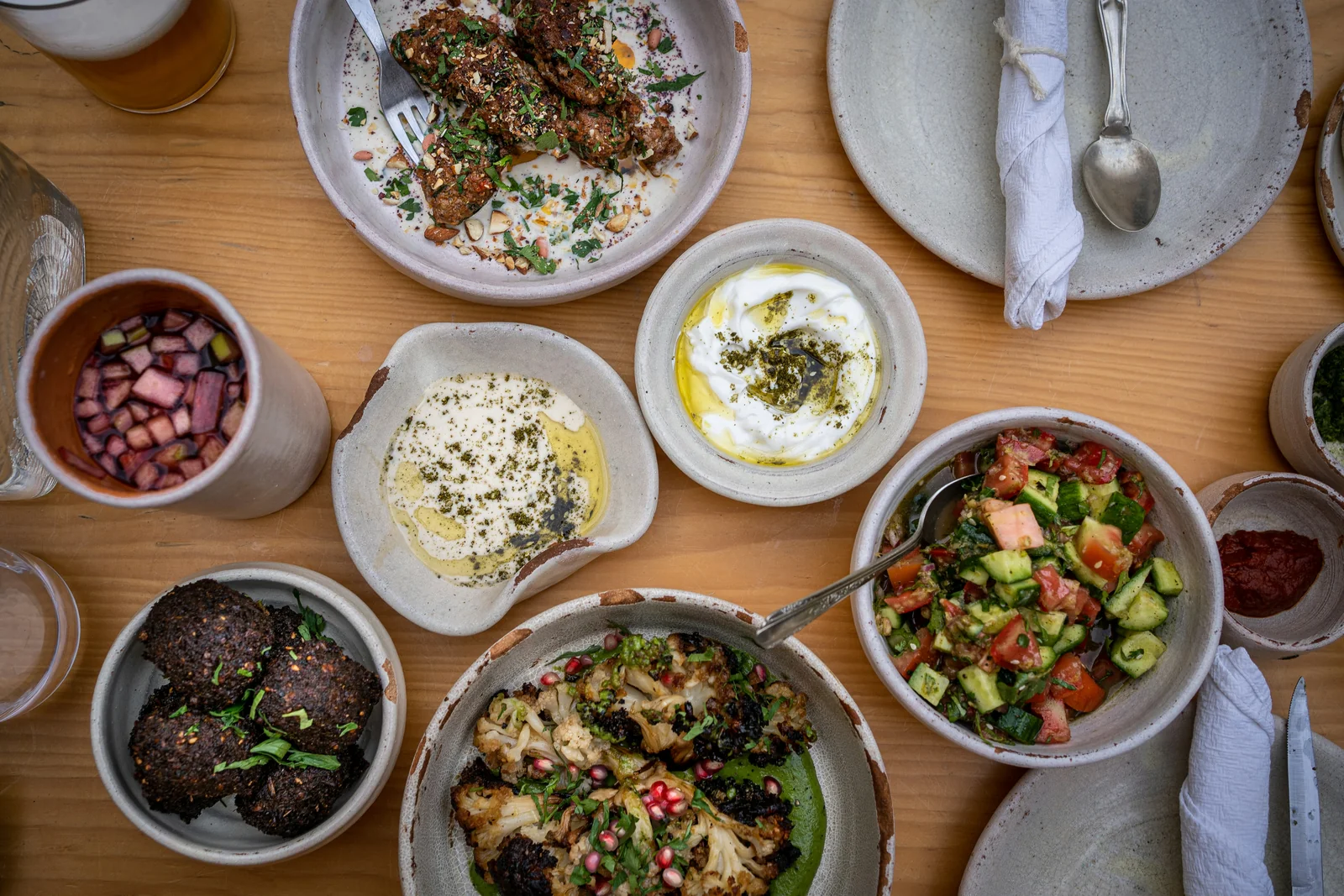
It's worth being clear that no single food will dramatically reduce pain, and the research in this area is often based on dietary patterns rather than individual ingredients. The Mediterranean diet – abundant in vegetables, legumes, wholegrains, olive oil, fish, nuts, and fruits – is the most consistently studied anti-inflammatory dietary pattern, and there is reasonable evidence linking it to lower markers of inflammation and improved outcomes in conditions including arthritis and chronic pain.
Practical shifts don't need to be dramatic. Swapping refined oils for extra virgin olive oil, adding oily fish twice a week, eating more vegetables in a variety of colours, and reducing ultra-processed food are meaningful steps that, done consistently, may add up to a real difference.
Hydration
Dehydration can increase pain sensitivity and worsen muscle cramps and headaches. Staying well hydrated – with water as the primary drink, supplemented by herbal teas if preferred – is a simple but genuinely important part of pain management that is often overlooked.