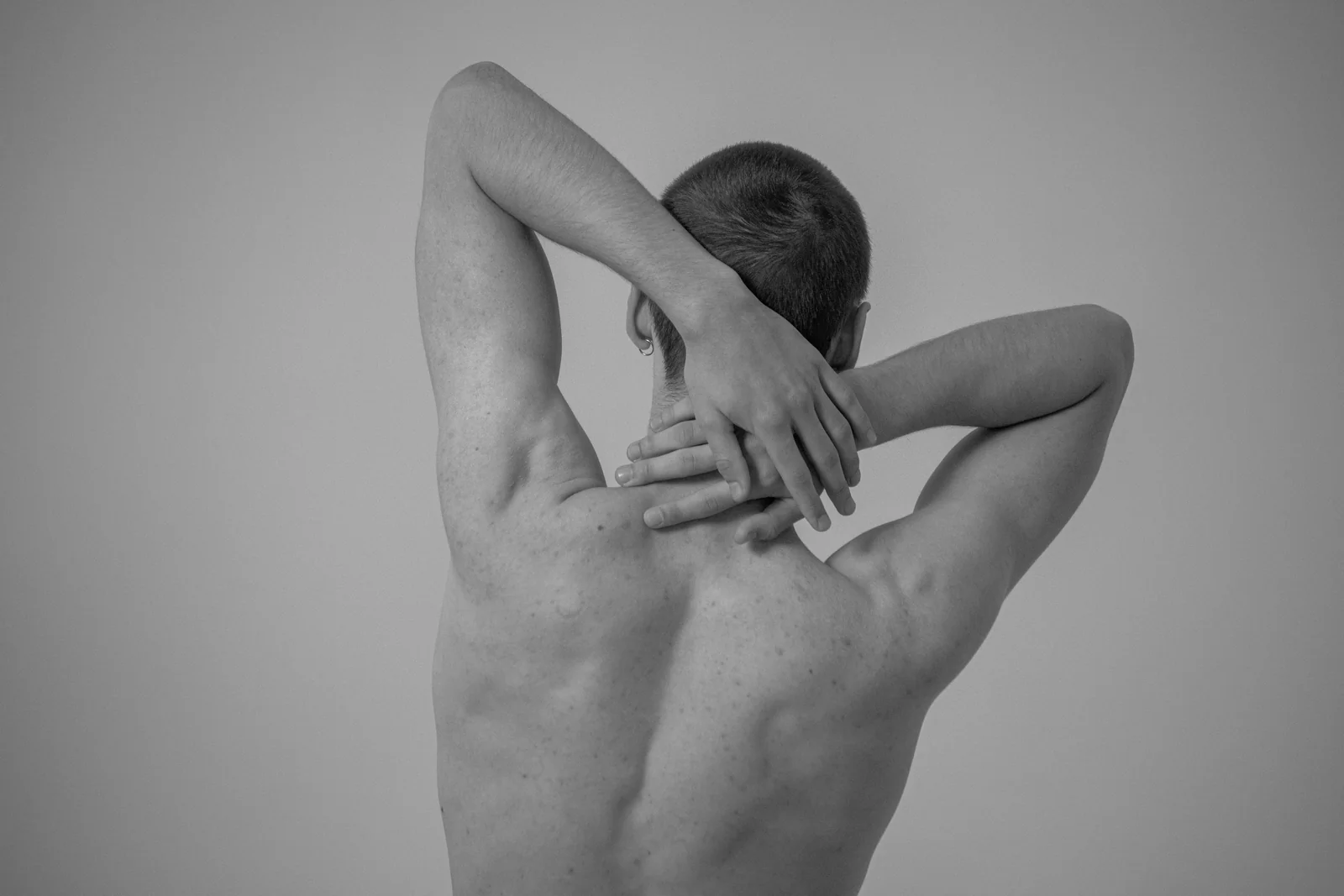
The shoulder joint is surrounded by a group of muscles and tendons known collectively as the rotator cuff. These structures, along with a small fluid-filled sac called the subacromial bursa, sit within a relatively narrow space beneath the bony arch at the top of the shoulder. Shoulder impingement, now more commonly described as subacromial pain syndrome, refers to a situation where the tendons or bursa in this space become irritated, often through compression or friction during arm movement.
The term "impingement" has been somewhat reconsidered in recent years. The older model suggested that a narrowed space was physically pinching the tendons overhead, but current thinking recognises it's likely more complex, involving load, posture, movement patterns, and the health of the tendon tissue itself. The name has stuck, however, and you'll still hear it widely used by both clinicians and people navigating this kind of shoulder pain.
Who tends to be affected
Shoulder impingement tends to appear in people who use their arms in overhead or repetitive reaching positions. Swimmers, overhead athletes (such as those playing cricket, volleyball, or tennis), painters, electricians, and people who spend long hours at a desk with poor shoulder positioning are all commonly affected. It can also arise during a period when someone has significantly increased the amount of overhead work they do, whether in sport or at work.
Age is a factor too. As the tendon tissue changes with age, it may become less able to tolerate load, which could contribute to why this kind of pain is more common in people over 40. That said, it occurs across a wide age range.
The shoulder tends to respond well to movement, when that movement is the right kind. Complete rest rarely resolves impingement and may allow the surrounding muscles to weaken further.
What it feels like
The classic presentation is a painful arc, where pain is felt particularly when lifting the arm between roughly 60 and 120 degrees. Reaching overhead, behind the back, or across the body may all provoke discomfort. The pain is typically felt at the front or outer side of the shoulder and may refer down the upper arm. Night pain, especially when lying on the affected side, is a common feature that can significantly disrupt sleep.
There may also be a general sense of weakness in the shoulder, which could reflect the underlying issue or simply be a consequence of avoiding painful movements over time. In either case, restoring strength tends to be a key part of recovery.
What might help
The foundation of most approaches involves progressive rotator cuff and scapular strengthening exercises. The muscles around the shoulder blade (scapula) play a significant role in creating space and control at the joint, and strengthening them alongside the rotator cuff muscles is often central to rehabilitation.
Posture and movement habits can be worth exploring too. Rounded shoulders and a forward head position can subtly alter the mechanics of how the shoulder moves overhead, and many people find that addressing these through targeted exercise and movement awareness is a helpful part of recovery.
In the shorter term, some people find corticosteroid injections into the subacromial space provide meaningful pain relief and allow them to engage more productively with exercise-based rehabilitation. Evidence suggests that injection alone, without the accompanying rehabilitation work, tends to provide less lasting benefit. As with most musculoskeletal conditions, the exercise component matters.
When to seek assessment
If shoulder pain is affecting sleep, daily activities, or work, or hasn't settled after a few weeks of modified activity, a physiotherapy assessment could be a useful starting point. A thorough assessment might help identify whether the pain is coming from the rotator cuff tendons, the bursa, the biceps tendon, or another structure, since the management approach may differ. It's also worth seeking assessment if pain is severe, if there's any history of trauma to the shoulder, or if there's significant weakness or loss of movement.
In some cases, imaging such as an ultrasound or MRI may be recommended to get a clearer picture, though this isn't always necessary before beginning a rehabilitation programme.
Find support on Welvow
Working with a physiotherapist or osteopath
Many people navigating shoulder impingement find that working with a physiotherapist, sports physio, or osteopath helps them understand what's driving the pain and build a plan that works around their life and goals. Welvow's directory includes practitioners who work with people managing shoulder and upper limb issues.
Find a practitionerShoulder impingement can be both limiting and confusing, but it often responds well to the right kind of attention. For many people, the combination of understanding what's happening, modifying load appropriately, and working through a structured strengthening programme makes a real difference over time.