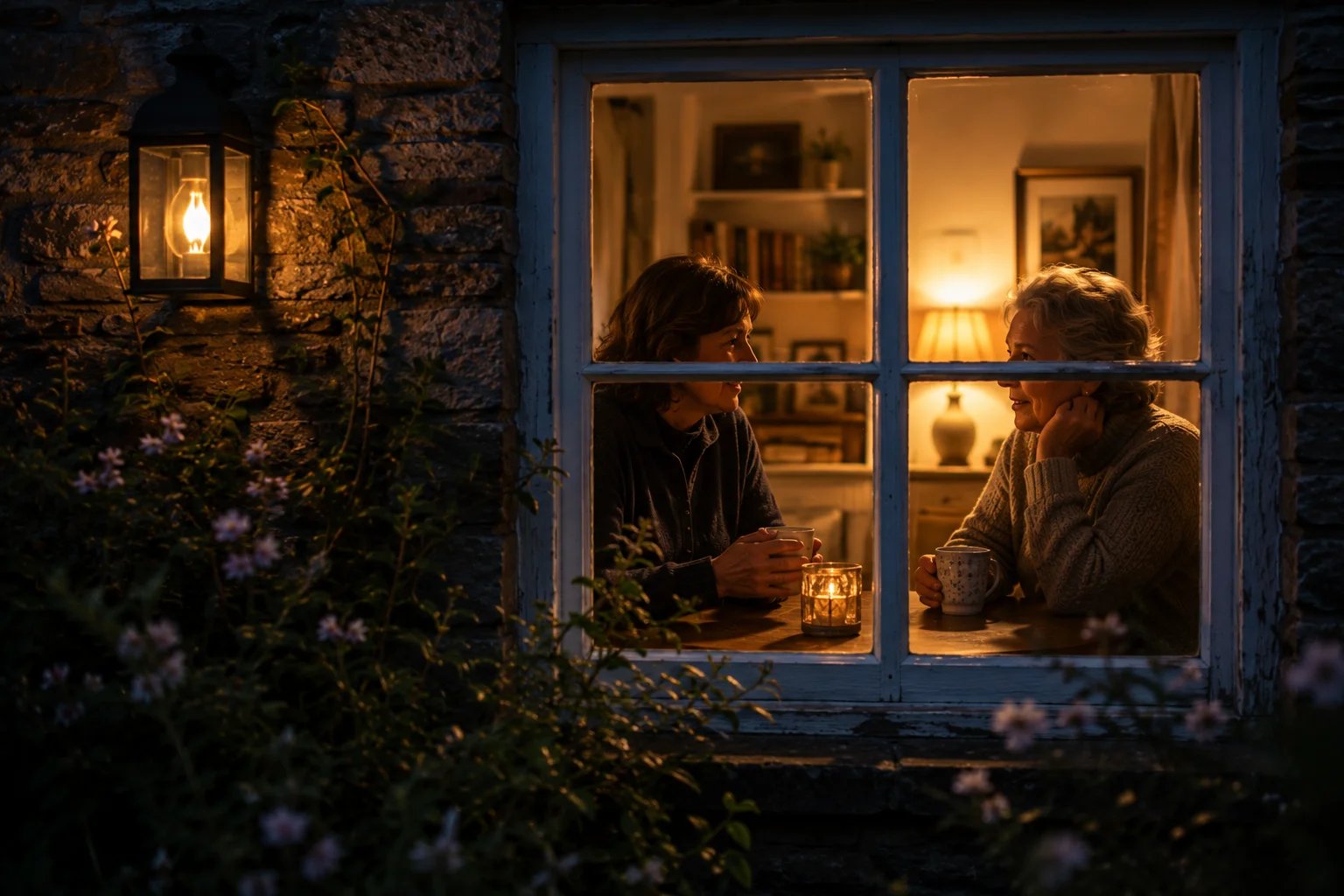
The mental wellbeing of people in later life sits in an uncomfortable silence. The statistics are well-documented, depression and anxiety are common in this stage, sometimes more common than at any other time, but the conversation around them often is not. Many of the people most affected are also the least likely to ask for help.
According to Age UK and the Mental Health Foundation, somewhere between one in five and one in four adults over sixty-five lives with depression, anxiety, or both. The reasons are interconnected and rarely a single thing. Retirement can lift a hidden weight or leave a hole where structure used to be. Friends become ill. Parents and partners die. Bodies change. The world someone has known for decades begins to lose familiar landmarks. None of these are pathologies. They are losses, and losses gathered close together can leave a person quietly underwater.
What makes this harder is that mental health in later life is often missed, both by the person experiencing it and by the people around them. Symptoms like withdrawal, tiredness, irritability, low appetite, and a kind of foggy disconnection are often put down to "just getting older." They might not be. They might be depression, or grief, or anxiety, or any number of conditions that respond well to attention. The cost of leaving them unspoken is real.
What genuinely changes
A few things shift in this stage of life that affect mental wellbeing whether or not you are paying attention to them. Sleep patterns change, most people sleep slightly less and wake more in later life, which can wear on mood. Hormonal shifts, in both men and women, can affect emotional steadiness. Social networks tend to contract, partly through retirement, partly through loss, partly through the slow erosion of the small daily interactions that make a life feel held.
The loneliness research in particular is sobering. Studies in the UK estimate that around a million adults over sixty-five go more than a month without speaking to a friend or family member. Chronic loneliness has been linked in research to outcomes as serious as cardiovascular wellbeing and cognitive function, not as a moral failing but as a real physiological stressor. The Silver Line, set up by Esther Rantzen, is a 24-hour helpline specifically for older adults experiencing loneliness. It is free, confidential, and used by hundreds of thousands of callers each year.
What is not "just getting older"
The phrase "just getting older" covers a lot of ground that should not be covered. Depression is not a normal part of later life. Persistent anxiety is not. A continuous sense of disconnection is not. A wish to disappear, even passively, is not. If something in your inner life has changed and is not lifting, that is worth taking to a GP, not because something is wrong with you, but because there are supports that can help, and there is no benefit to enduring it alone.
Older men in particular face a higher risk of suicide than any other group in the UK, a statistic Andy's Man Club, CALM, and the Samaritans have all worked to draw attention to. If anyone reading this is having thoughts of ending their life, the Samaritans are available on 116 123, free, twenty-four hours a day, every day.
What supports the inner life
The natural supports for mental wellbeing in later life are unglamorous and reliable. Movement, particularly outdoor movement, has unusually good evidence for lifting mood. Walking, in studies, comes out repeatedly as one of the most effective everyday supports for depression and anxiety. Time in nature, even briefly, registers in the nervous system. Social connection, small daily interactions as well as deeper ones, is one of the most robust predictors of wellbeing across the lifespan, and especially in later years.
Sleep, food, sunlight, and routine all play their part. So does meaning. People who continue to feel useful, valued, and part of something tend to fare better. That something does not have to be paid work. Volunteering, mentoring, gardening for a neighbour, looking after grandchildren one afternoon a week, anything that connects you to other people and to a sense of contribution counts.
Talking therapies, counselling, CBT, group support, are available on the NHS at any age. Many GPs can refer directly, and self-referral is now common. There is nothing about being further on in life that makes therapy less useful. Quite the opposite.
If something in your inner life has changed and is not lifting, that is worth taking to a GP, not because something is wrong with you, but because there are supports that can help.
When to seek support
Speak to a GP if low mood, anxiety, withdrawal, or persistent sleep changes have lasted more than a couple of weeks. Speak to them sooner if any of it feels heavier than that. Talking therapies, social prescribing schemes that connect you with community groups, and specialist later-life mental health services are all available. The earlier these conversations happen, the easier the supports tend to settle.
A counsellor, psychotherapist, or coach who works with people in this stage of life can offer steady, non-judgemental space to talk through the changes and losses of these years. Welvow's directory includes counsellors and therapists who specialise in mental wellbeing across later life.
Find your practitionerThe inner life does not get less worth attending to as the years pass. It often gets more so. Whatever you are carrying, you do not have to carry it on your own.