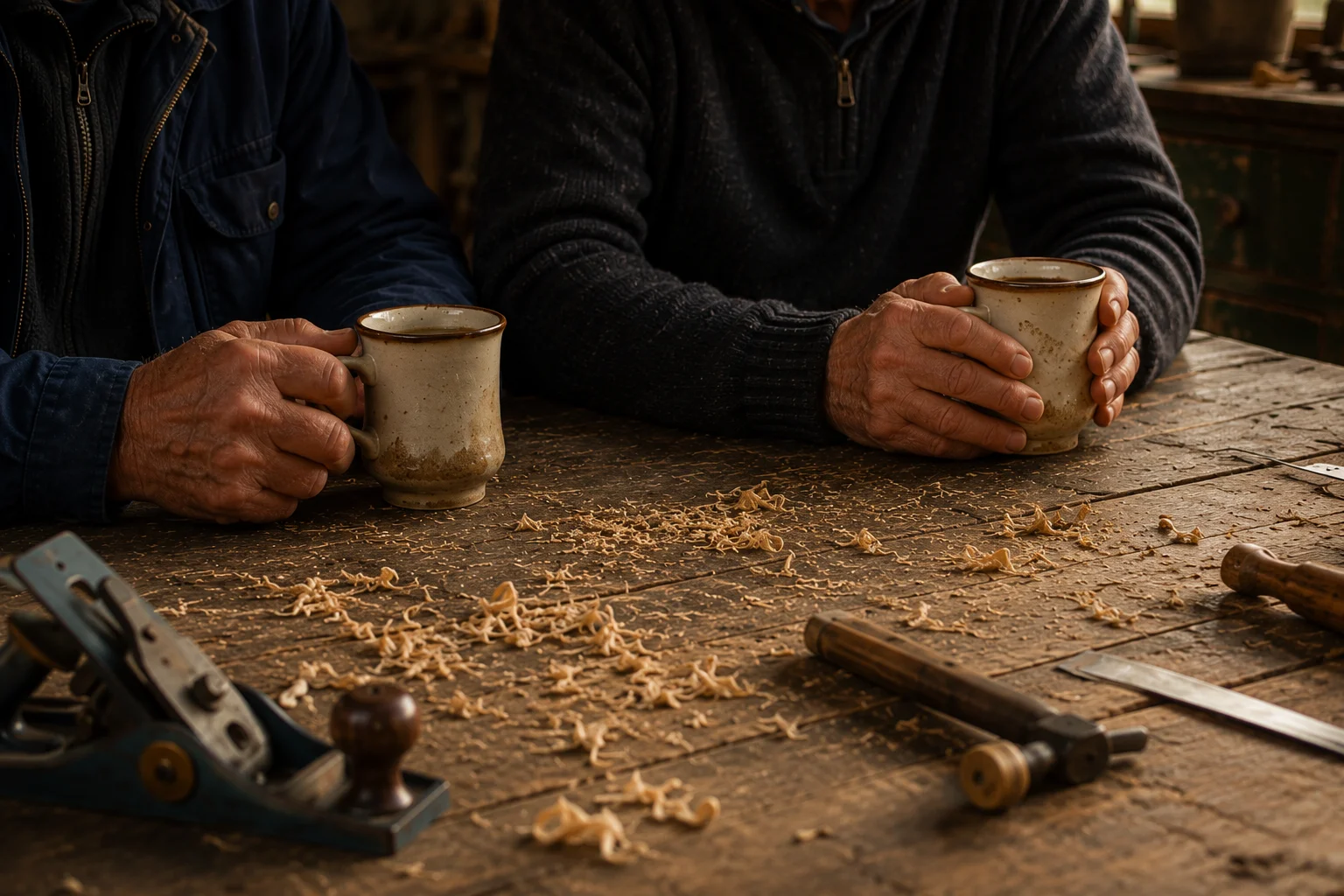
The men's wellness conversation has improved a lot in the past decade, but it still tails off somewhere around the late forties. The territory beyond that, fifties, sixties, seventies, and on, is quieter than it should be. Men in this stage of life are facing real shifts and real risks, mostly in silence. This piece is for you, directly.
The body in its sixties and beyond
Testosterone in men declines slowly from the thirties, about one per cent a year, on average. By the sixties most men have less of it than they did, though the symptoms vary enormously. Some notice almost nothing. Others find energy lower, mood flatter, libido reduced, recovery from exercise slower, and a thickening around the middle that was not there before. Most of this is addressable. Strength training, decent sleep, less alcohol, more protein, and the right conversations with a GP all matter. If symptoms are persistent and notable, testosterone deficiency syndrome is a recognised condition in the UK and worth bringing up with your GP.
Prostate wellbeing also enters the picture. Most prostate issues in later life are not the dangerous kind, but the most common, benign prostatic enlargement, is worth knowing about because it affects sleep through nighttime visits to the bathroom. Prostate Cancer UK is the strongest UK source for clear information; their online risk checker takes ninety seconds and is well worth running through.
Heart wellbeing remains the single largest factor in male longevity. The British Heart Foundation's "know your numbers" framing is the right one, blood pressure, cholesterol, blood sugar. These are not topics to avoid; they are some of the most consequential numbers in your life.
The mind, and the retirement question
The deeper conversation in men's later years is rarely about the body. It is about identity. For men whose sense of self has been heavily tied to work, retirement can be a quiet earthquake. Decades of being the person who provides, decides, performs, fixes, and then, suddenly, the calendar is empty. Many men report feeling unmoored in the first year or two. Some adjust quickly. Others spend longer in it than they had expected.
The patterns that follow are well-documented. Mood drops. Alcohol use sometimes creeps up. The social network that was held together by colleagues thins out. Old friendships, which men in middle adulthood often neglect in favour of work and family, can take effort to rebuild. The combination of loneliness, identity flux, and the cultural expectation that men "just get on with it" is part of why male mental wellbeing in later life is a serious matter, and why the male suicide rate in the UK is highest in this group.
This is not how it has to be. Other men have walked through this and found a different way to live. But it does not happen by accident.
Decades of being the person who provides, decides, performs, fixes, and then, suddenly, the calendar is empty.
What helps
A few things are well-evidenced. Regular strength training keeps the body strong, the mind sharper, and the mood steadier, and resistance work in particular has a measurable effect on testosterone and on depression scores. Outdoor movement, walking with a friend, swimming, cycling, gardening, all do similar work for the nervous system. Sleep matters more than it is given credit for; men who sleep well in their sixties and seventies fare better on every wellbeing measure. So does food, most men in later life are not eating enough protein, eating enough vegetables, or hydrating enough. None of this is dramatic. All of it compounds.
Friendship is the area most men say they wish they had paid more attention to earlier. The good news: it is not too late. Walking groups, Men's Sheds (a UK movement now in hundreds of locations), volunteering, classes, regular pub nights, learning new things alongside other men, there are more options than the cultural narrative suggests. The Men's Sheds Association alone has helped tens of thousands of UK men find connection in later life. The pattern that consistently shows up is that men do better when they have somewhere to go and someone to do something alongside.
Talking, even when it is not in your nature
The cultural expectation that men should manage everything inside has cost a lot of lives. The male suicide rate in the UK has stayed stubbornly high for decades, and it is highest in men in midlife and later. Andy's Man Club, a grassroots organisation that runs free weekly talking groups for men across the country, has been part of changing this, alongside CALM (the Campaign Against Living Miserably) and the Samaritans. Each of these can be called or visited free, anonymously, without crisis being a requirement.
The single most useful piece of advice in this article: if something has shifted in your inner life and is not lifting, talk to someone. Your GP, your partner, your brother, an old friend, an Andy's Man Club meeting, a counsellor, the Samaritans on 116 123. There is nothing about being a man, or being further along in life, that makes any of this less available to you. The hardest part is usually the first sentence.
A counsellor or coach who works with men in this stage of life can offer a steady, judgement-free space to talk through the changes, identity, retirement, relationships, what comes next. Welvow's directory includes counsellors and therapists with this experience.
Find your practitionerThe years ahead of you can be good ones. The body, the mind, the friendships, the meaning, none of it is fixed. You are allowed to keep building.