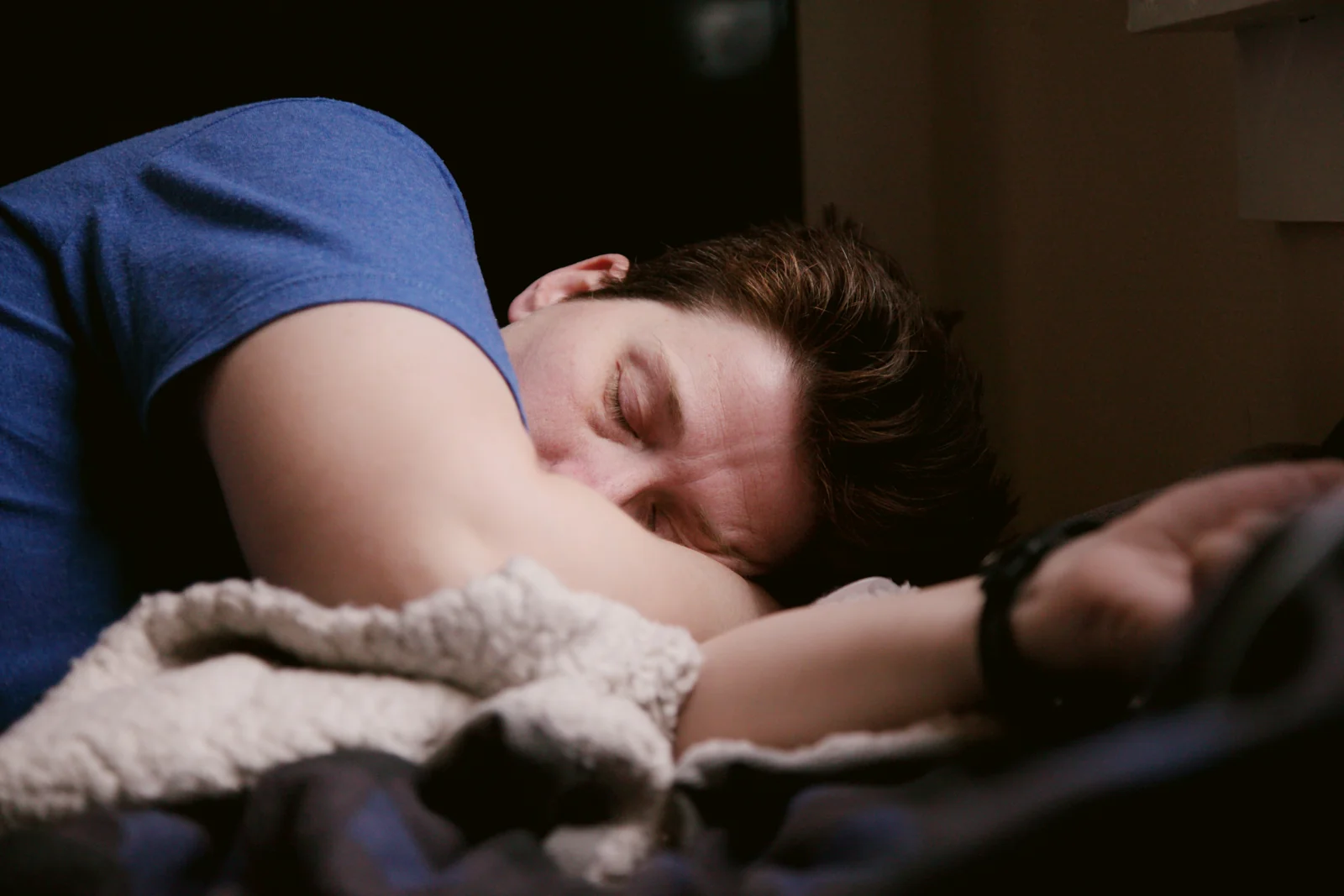
There's a cultural script around men and sleep that goes something like this: sleep less, do more, need less rest. The man who "only needs five hours" is quietly admired. The man who says he's tired is told to push through.
The science tells a very different story. Sleep is not optional maintenance – it's when the body repairs tissue, consolidates memory, regulates hormones, clears metabolic waste from the brain, and restores emotional regulation. Shortchanging it consistently has consequences that accumulate over time in ways that are hard to see until they become impossible to ignore.
What Happens When Men Don't Sleep Enough
Short-term sleep deprivation is something most people recognise – foggy thinking, irritability, difficulty concentrating. But chronic under-sleeping (habitually getting less than 7 hours) has effects that go well beyond feeling tired:
- Testosterone suppression – research suggests that men who sleep five hours per night for a week have testosterone levels equivalent to men 10–15 years older
- Increased cardiovascular risk – consistently poor sleep is associated with higher blood pressure, inflammation, and heart disease risk
- Impaired glucose regulation – poor sleep affects insulin sensitivity and is linked to increased risk of type 2 diabetes
- Mental health impact – sleep deprivation significantly worsens mood, emotional regulation, and anxiety
- Impaired immune function – even moderate sleep restriction affects the immune system's ability to respond
- Reduced cognitive performance – decision-making, reaction time, and memory are all meaningfully affected
Sleep Problems That Affect Men Specifically
Sleep apnoea is significantly more common in men than women and frequently goes undiagnosed. It involves repeated pauses in breathing during sleep – which fragments sleep without the person necessarily being aware of it. Common signs include loud snoring, waking feeling unrefreshed despite adequate time in bed, morning headaches, and excessive daytime sleepiness. It's worth raising with a GP if these sound familiar, because untreated sleep apnoea carries real cardiovascular and metabolic risks.
Shift work and irregular schedules affect a higher proportion of men (who make up the majority of shift workers in many sectors) and can significantly disrupt the circadian system – the body's internal clock – with knock-on effects on metabolism, mood, and long-term health.
Alcohol as a sleep aid is a pattern more common in men. Alcohol may reduce the time it takes to fall asleep but significantly disrupts sleep quality – particularly in the second half of the night – and suppresses REM sleep, which is important for memory and emotional processing.
Getting Sleep Back on Track
Sleep difficulties – whether trouble falling asleep, staying asleep, or waking too early – respond well to consistent behavioural changes. The most effective approach has a slightly unglamorous name: Cognitive Behavioural Therapy for Insomnia (CBT-I). It's consistently found to be more effective than sleeping tablets long-term and can be accessed through your GP or online programmes.
The fundamentals of good sleep hygiene are worth revisiting even if they sound familiar:
- Consistency – going to bed and waking at roughly the same time every day, including weekends, anchors the circadian rhythm
- Cool, dark, quiet room – the body temperature needs to drop slightly to initiate sleep; a cooler room helps
- Limit screens before bed – not just for blue light, but because stimulating content keeps the brain alert
- Avoid alcohol within 2–3 hours of sleep
- Wind-down routine – even 20–30 minutes of something calm before bed signals to the nervous system that sleep is coming
- Exercise – regular physical activity is one of the most reliable sleep improvers; vigorous exercise earlier in the day is generally better than late evening
- Limit caffeine after midday – caffeine has a half-life of around 5–6 hours, meaning half of a 3pm coffee is still in your system at 9pm
When to Seek Help
If sleep problems have been present for more than a few weeks, or if daytime fatigue is significantly affecting your function, it's worth speaking to your GP. There may be underlying factors – anxiety, depression, sleep apnoea, thyroid issues – that are driving the problem and that respond better to targeted treatment than general sleep hygiene alone.