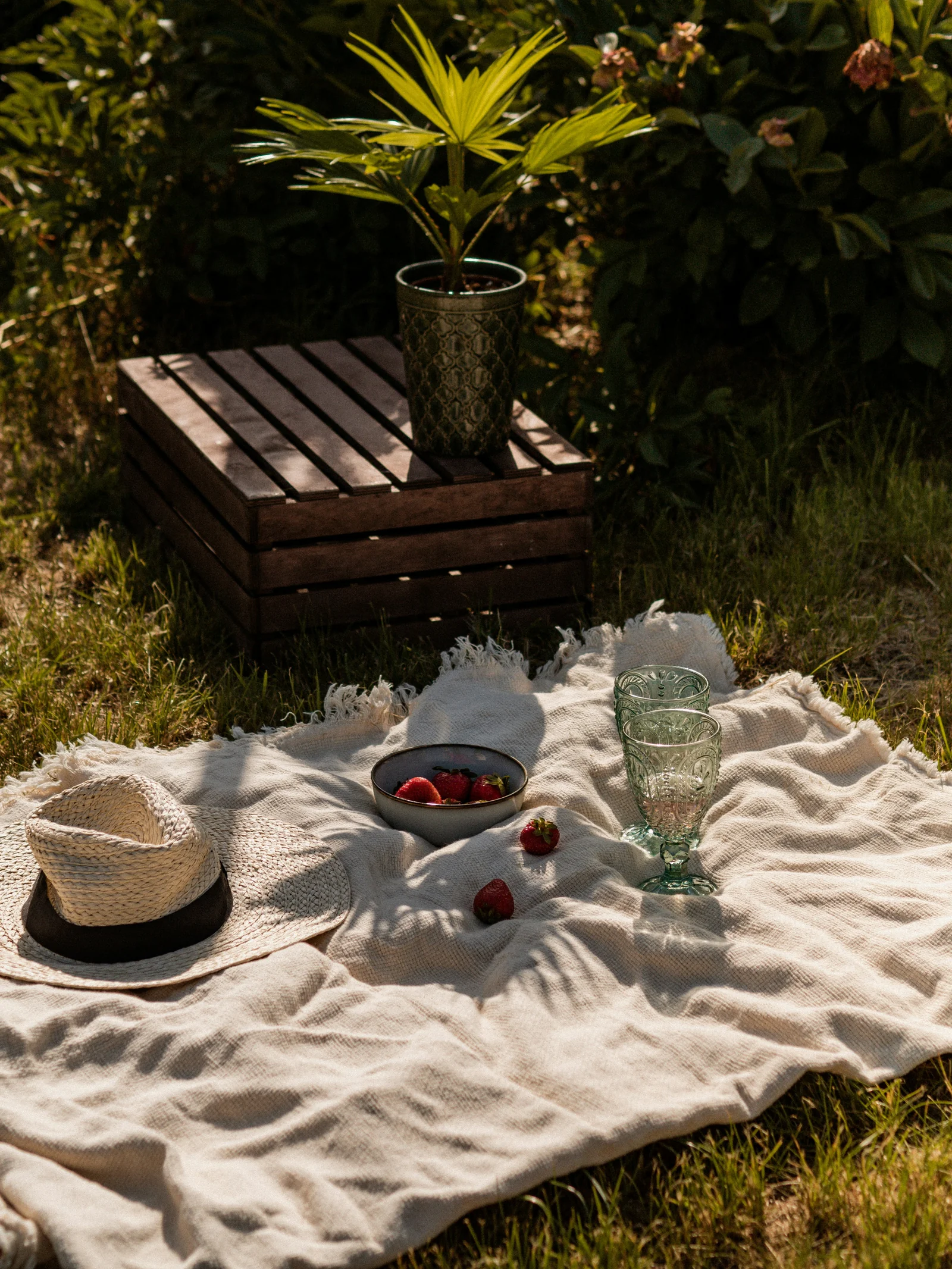
There's something about summer that tends to amplify whatever is already present. The longer days, the social gatherings, the expectation of being light and easy and carefree: all of these can sit oddly alongside the experience of trying to conceive, particularly when it's been going on for some time. Bank holiday barbecues where someone announces a pregnancy. Baby showers. Questions from well-meaning relatives. Summer can make the ordinary awkwardness of this season of life feel louder.
At the same time, summer offers things that are genuinely good for the body and mind during a difficult stretch. More daylight, more opportunity to be outside, more vitamin D, longer evenings with space to decompress. The question is how to make use of those things while managing the parts that are harder.
Heat and fertility: what's actually relevant
High temperatures do have a mild effect on sperm health, which is part of why the testes are located outside the body: sperm production is optimised at a temperature slightly below core body temperature. Sustained exposure to significant heat, through very hot baths, saunas, or long periods in hot tubs, is worth limiting when actively trying to conceive, as this can temporarily reduce sperm count and motility. The effect is generally reversible, but it takes around three months for sperm to fully regenerate, so this is worth bearing in mind during summer.
For those tracking ovulation, high temperatures can also slightly affect basal body temperature readings, making interpretation a little trickier in warm weather. Continuing to track but being aware of this, and looking for the pattern across multiple data points rather than any single reading, is the most useful approach.
"Summer offers more light, more outdoor time, and more opportunities to step back from the process for a moment. All of those things are worth taking up."
Using summer to your advantage
Vitamin D levels, which are relevant to fertility for both men and women, tend to be better in summer given the increased sun exposure. Getting outside during the middle part of the day, particularly in the earlier summer months, supports this. It's also worth checking your vitamin D status with your GP if you haven't recently, since supplementing during the winter and spring months may mean you're already in a reasonable position going into summer.
The slower pace that summer can bring, particularly during holiday periods, is genuinely useful. Stress affects the reproductive system over time, and even a week or two of reduced pressure and better sleep can be restorative. Many couples describe holidays as periods when they felt less focused on trying, less anxious, and more connected, which is its own kind of benefit regardless of whether it changes outcomes.
Managing the social pressures
Summer tends to involve more social engagements, and social engagements tend to involve pregnancy announcements, children, and questions about your own plans. Having a loose script for how to handle these moments, what to say when asked when you're planning to start a family, or how to respond to a pregnancy announcement when you're in the thick of your own fertility struggles, can make them considerably easier to navigate.
It's also entirely reasonable to opt out of events that feel too hard at a particular point. You don't owe anyone an explanation. Protecting your own emotional reserves during a demanding period is a sensible priority, not a sign of fragility.
Alcohol is a particular consideration in summer, when social drinking is more prevalent and declines are more conspicuous. Some people find it easier to have a low-key reason ready, that they're on medication or having an early morning the next day. Others find that choosing drinks that look like they could be alcoholic removes the social awkwardness without requiring explanation. Neither approach is ideal, but both are practical.
If you'd like support navigating the emotional and physical aspects of trying to conceive through the summer months, a nutritional therapist, fertility acupuncturist, or counsellor can all be useful allies. Welvow can help you find relevant practitioners in your area.
Find your practitioner →Summer isn't a pause button on the process of trying to conceive, but it does offer more resources than some other seasons for looking after yourself during it. Using them is a good idea.