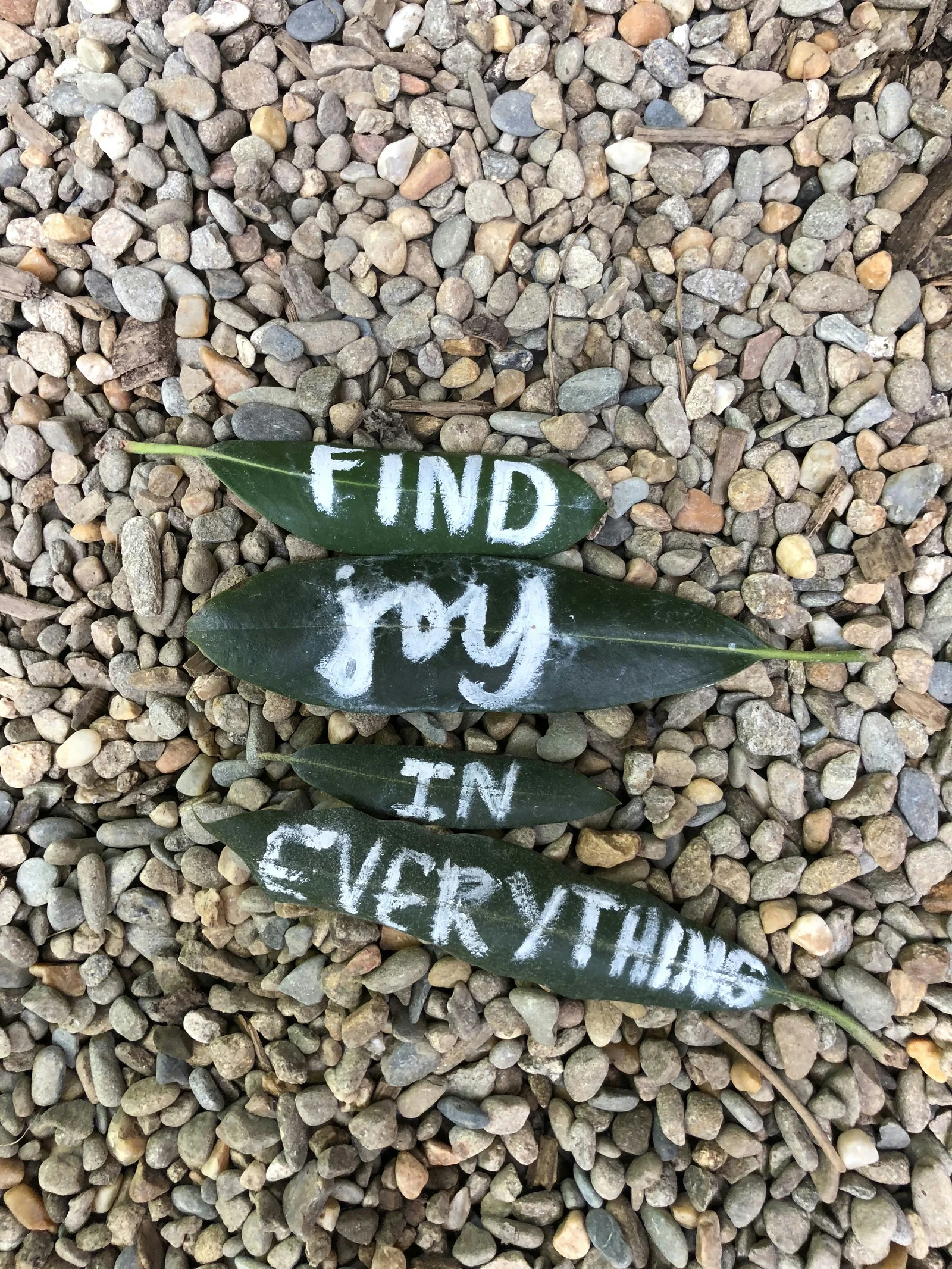
The word "joy" can feel like a lot to live up to. It conjures something large and unmistakable, the kind of feeling reserved for occasions. But most people who think carefully about what actually makes them feel good day to day will point to considerably smaller things: a first coffee before anyone else is awake, a particular light through a window in the afternoon, a conversation that went somewhere unexpected. Joy, in its more ordinary form, tends to be quiet.
There's something worth understanding here, because it changes how you approach it. If joy is something that only arrives with a particular set of circumstances, there isn't much you can do to cultivate it. But if it's something that exists in small moments and can be noticed or missed, then noticing becomes a skill, and skills can be practised.
Why small moments matter
The human brain has what's sometimes called a negativity bias: it pays more attention to potential threats and problems than to pleasant or neutral experiences. This was useful over a very long stretch of human history and considerably less useful in day-to-day modern life, where it tends to mean that difficulties get registered and replayed while good moments pass without much trace.
This isn't a character flaw. It's just how the brain is wired. But it does mean that pleasurable experiences often need a little more active attention to actually land. Psychologists sometimes call this "savouring": the practice of consciously giving a pleasant moment a few extra seconds of attention, so that it registers more fully rather than flickering past unnoticed. It sounds almost too simple, but many people find it makes a tangible difference to their sense of how a day felt by the time it ends.
"The days that feel good are rarely the ones where something exceptional happened. More often, they're the ones where ordinary things were noticed."
Noticing rather than chasing
There's a difference between noticing joy and chasing it. Chasing involves looking for a feeling and being disappointed when it doesn't show up as expected. Noticing involves being receptive to what's already there. The distinction matters because chasing tends to make people feel worse, while noticing tends to make them feel better even when the raw material of the day is fairly ordinary.
This is why some of the most consistent advice for improving mood involves practices that don't look much like the pursuit of happiness: walking without headphones, eating without scrolling, making something with your hands, sitting with a cup of tea before picking up a phone. These are not thrilling activities. But they create conditions in which small pleasures can be noticed rather than drowned out.
Some practices worth trying
A single sensory anchor in the morning, something intentionally savoured before the day picks up pace, is one of the simplest things people report making a genuine difference. It might be the smell of coffee, the weight of a mug, a few minutes outside before looking at a screen. The content matters less than the intention.
Ending the day by naming one good thing is a practice that sounds almost embarrassingly simple, but the research behind it is consistent enough to take seriously. It doesn't have to be significant. The fact of naming it, and of spending a few seconds with it, is what does the work.
Doing something for its own sake, with no productive purpose attached, is something many adults find they've stopped doing almost entirely. A craft, a walk with no destination, cooking something because it looks good rather than because it needs to be done. Purposeless activities give the mind permission to be present in a way that purposeful ones often don't.
If you find that the capacity for enjoyment feels persistently reduced, or that things that used to bring pleasure no longer do, it could be worth speaking with someone. This can be one of the quieter signs that something else is going on, and a counsellor or therapist is a good person to explore it with. Your GP is also a sensible first conversation.
Find your practitioner →Joy doesn't need to be earned or deserved. It just needs to be noticed. And that, for most people, is something that can be practised.